
Plants
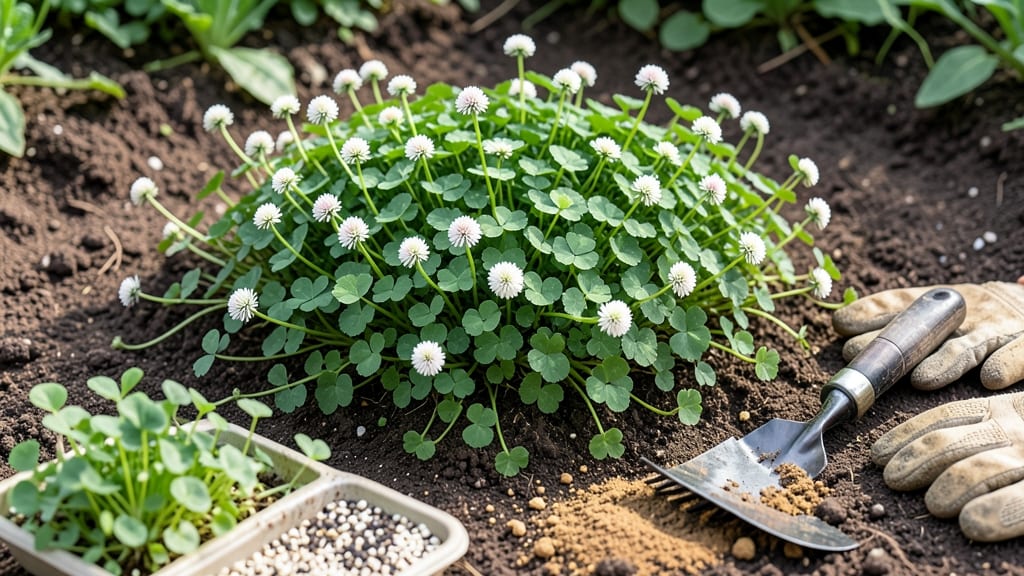
Timing your clover planting in Washington State can make or break your garden’s success—especially when frost dates vary wildly from Seattle’s mild coastal zones to Spokane’s crisp high desert.
Plant too early, and a late frost will wipe out your seedlings; too late, and summer’s heat will leave you with sparse, struggling patches. The right window ensures a lush, nitrogen-rich ground cover that thrives year-round.
Washington’s 6b-8b zones (like 6b in Eastern WA or 8b along the coast) demand precision. Early spring (March–April) and early fall (September–October) are your best bets, but microclimates—sun exposure, elevation, even wind—can shift those dates by weeks.
Let’s break down the exact timing for your region and how to adjust for your unique growing conditions.
Whether you’re aiming for a pollinator-friendly lawn, erosion control, or a nitrogen-rich cover crop, clover’s versatility shines—but only if planted right. I’ll share the key signs your timing is off (like slow germination or yellowing leaves) and how to fix it before it’s too late.
Ready to grow thick, vibrant clover that outcompetes weeds and boosts your soil? Let’s dive into the perfect planting strategy for your corner of Washington—no more guesswork, just guaranteed results.
Optimal planting windows by Washington State region (coastal vs. inland vs. high desert)
Washington’s three distinct climate zones—coastal, inland, and high desert—dictate the best times to plant clover. Each zone has unique frost dates, soil temperatures, and growing seasons that directly impact success.
Let’s break down the ideal planting windows for each, so you can sow clover when it’s primed for germination and growth.
In Western Washington’s coastal areas (Seattle, Bellingham), the mild maritime climate means you can start clover seeds as early as mid-February. The last frost typically occurs around March 15, giving you a 6-week window to establish roots before summer heat arrives.
For inland Western WA (Olympia, Tacoma), aim for late March to early April to avoid late frosts.
Eastern Washington’s high desert (Spokane, Wenatchee) has a shorter growing season. Here, plant clover seeds between April 15 and May 1, waiting until soil temperatures consistently reach 50°F.
The first frost often arrives by November 1, so fall plantings are riskier unless you use cold-hardy varieties like white Dutch clover.
Here’s a quick comparison to help you choose the right timing for your location:
| Region | Best Planting Window | Soil Temp Threshold | Last Frost Date | Notes |
|---|---|---|---|---|
| Coastal (Seattle, Bellingham) | Mid-February to March 15 | 45–50°F | March 1–15 | Mild winters; early start possible. |
| Inland Western (Olympia, Tacoma) | Late March to early April | 50°F | March 15–April 1 | Warmer days, cooler nights; avoid late frosts. |
| High Desert (Spokane, Wenatchee) | April 15 to May 1 | 55°F | April 15–May 1 | Dry climate; water deeply after planting. |
For all regions, fall planting (September–October) is also viable, especially for cover crop purposes. Clover sown in early fall will establish roots before winter and provide early spring growth. Just avoid planting after September 15 in coastal areas or October 1 inland, as seedlings may not harden off before frost.
Pro tip: Use a soil thermometer to confirm temperatures before planting. Clover seeds germinate best when soil is between 50–65°F. If your soil is cooler, wait a few weeks or use a cold frame to accelerate warming.
In high-elevation areas (e.g., Mount Rainier foothills), delay planting until mid-May to avoid late spring frosts. These zones often have shorter frost-free periods (as few as 100 days), so prioritize fast-growing varieties like crimson clover for quicker establishment.
Regardless of your zone, always test your soil before planting. Clover thrives in slightly acidic to neutral soil (pH 6.0–7.0). If your soil is too acidic, amend it with lime 4–6 weeks before sowing to give the soil time to adjust.
Finally, consider your clover variety. White Dutch clover is ideal for lawns and tolerates foot traffic, while red clover is better for erosion control and fixes more nitrogen. Adjust your planting window slightly based on the variety’s cold hardiness ratings.
How to adjust planting time for microclimates: sun exposure, elevation, and wind factors
Washington’s microclimates mean your clover planting window can shift by weeks—even miles apart. A south-facing slope in Wenatchee might be ready for seeds in early March, while a shaded valley in Olympia could wait until mid-April. Understanding these factors ensures your clover thrives, not struggles.
Start by assessing your site’s sun exposure. Clover needs 6+ hours of sunlight, but partial shade (like under fruit trees) can delay planting by 2–3 weeks.
If your garden gets morning sun only, wait until after last frost—typically mid-April in Western WA and May 1 in Eastern WA’s high desert.
Elevation plays a huge role too. Every 1,000 feet up adds 3–5°F cooler temps, pushing planting dates back. In Mount Rainier’s foothills (5,000+ ft), aim for late May to avoid late frosts. Check local USDA Zone maps—Zone 6b (e.g., Spokane) is 2 weeks later than Zone 8b (e.g., Bellingham).