
Plants
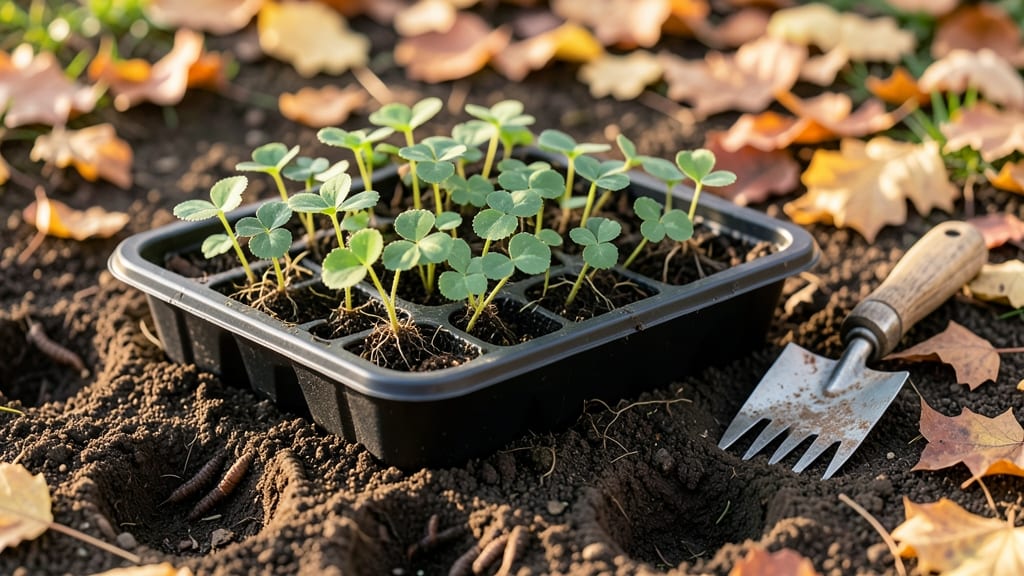
Planting clover in the fall is your secret weapon for a thicker, greener lawn—but get the timing wrong, and you’ll end up with frost-killed seedlings or winter weeds stealing the show.
The ideal window for Zone 6 (and similar climates) is October to November, when soil stays warm enough to encourage roots while cooler air slows weed competition.
Why does this matter? Fall-planted clover establishes deeper roots before winter, making it hardier and more resilient when spring rolls around. But here’s the catch: plant too early, and seedlings may not survive the first frost; too late, and winter weeds will outcompete your 🌱 clover.
The key is balancing soil temperature and frost dates—something I’ll break down step by step.
In this guide, you’ll learn the exact planting window for your region, how to prep your soil for winter survival, and what to watch for if your clover starts struggling. No guesswork—just proven strategies to turn your lawn into a lush, low-maintenance carpet by spring.
Let’s get started with the soil secrets that’ll give your clover the best possible start before winter sets in.
Best fall planting dates for clover by US hardiness Zone
Timing your fall clover planting depends on your USDA hardiness zone and local frost patterns. The goal is to give seedlings 4-6 weeks of warm soil before winter dormancy.
In Zone 3-5, aim for early October, while Zones 6-10 can plant through November. Check your first frost date—planting too late risks winter weeds outcompeting your clover.
Clover thrives when soil temps stay above 50°F (10°C) for root establishment. Use a soil thermometer to verify—if temps drop below 40°F (4°C), growth halts. Northern regions should prioritize early October plantings, while southern zones can extend to mid-November without risking frost damage.
For Zone 6 (default)**, like much of the Midwest, target mid-October for ideal germination. Here, first frosts typically arrive October 15, leaving perfect conditions for a 6-week growth window. Adjust 1-2 weeks earlier for colder zones or later for milder southern climates.
Pro tip: Use USDA Zone maps to refine your timing. For example, Zone 7 gardeners can plant until November 1, while Zone 4 should finish by October 1. Always account for microclimates—sheltered areas may allow later plantings.
| USDA Zone | Ideal Planting Window | Soil Temp Threshold | Key Adjustment |
|---|---|---|---|
| 3-4 | Early September - October 1 | 50°F+ (10°C+) | Prioritize warmth; use row covers |
| 5-6 | Mid-October - November 1 | 50°F+ (10°C+) | Standard window; monitor frost |
| 7-8 | October 15 - November 15 | 55°F+ (13°C+) | Extend to late November if mild |
| 9-10 | November 1 - December 1 | 60°F+ (16°C+) | Plant near winter solstice |
*Adjust for early/late frosts using local weather data.
Northern vs. southern strategies differ sharply. In Zones 3-5, focus on early establishment—prioritize warmth over extended growth. Southern zones (7-10) can afford later plantings, but avoid December sowings, as clover struggles to root before winter dormancy.
For Zone 6 gardeners, my go-to method is planting October 15 with a light mulch (straw or leaves) to insulate roots. This balances root growth with frost protection. If your area has unpredictable frosts, err on the earlier side—September 20 is safer than November 1.
Always test your soil’s moisture retention before planting. Sandy soils dry quickly—water 2x weekly after sowing. Clay soils may stay too wet; amend with compost to improve drainage. Aim for 1 inch of water per week until seedlings appear.
Remember: Clover’s winter hardiness hinges on root strength, not top growth. A 6-week head start ensures roots establish before dormancy. Use this rule of thumb: "Plant when mums bloom"—a classic Zone 5-7 marker for ideal timing.
🌱
Soil prep secrets to boost clover winter hardiness
Fall-planted clover thrives when the soil is prepped just right—think of it as giving your plants a cozy winter blanket. The key is creating conditions that protect roots from freezing temperatures while ensuring nutrients are available for spring growth.
Start by testing your soil pH—clover prefers a range of 6.0 to 7.0. If your soil is too acidic, add lime (1-2 pounds per 100 sq ft) 2-3 months before planting.
Next, focus on organic matter. Clover roots need air and water to penetrate easily, so amend heavy clay soils with compost or peat moss (2-3 inches mixed into the top 6 inches).
For sandy soils, blend in well-rotted manure or coconut coir to retain moisture. A soil test kit (available at garden centers) will reveal your exact needs—don’t guess!