
How To
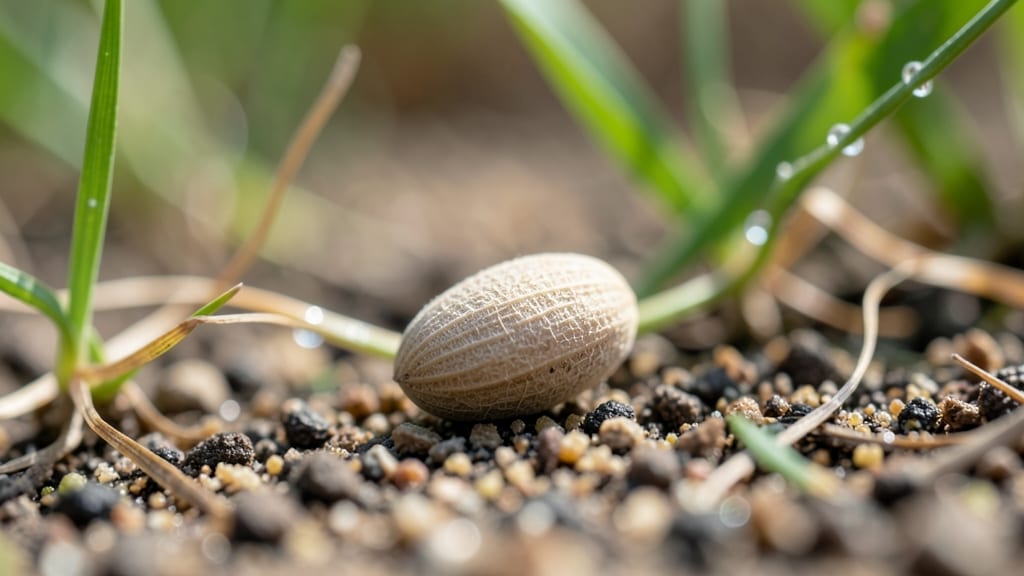
If you're dreaming of a lush, low-maintenance lawn in Florida, timing your centipede grass seed planting could make or break your success. The 60-day spring window—from March through May—is your golden opportunity to establish deep roots before summer’s brutal heat takes over.
Here’s the catch: Florida’s climate isn’t one-size-fits-all. North Florida’s cooler springs might push you toward early March, while South Florida’s warmth could delay planting until April.
Getting it right means avoiding the pitfalls of frost risk (yes, even in Florida) and ensuring soil temperatures hit that sweet spot of 65–75°F for germination.
I’ve seen firsthand how a well-timed planting leads to thicker, greener grass that thrives year-round. Whether you’re a first-time homeowner or a seasoned gardener, mastering this window is the key to skipping the guesswork and getting it right the first time.
Ready to transform your yard? Let’s break down the exact steps—from soil prep to post-planting care—to give your centipede grass the best shot at taking over your lawn like a pro. No more wasted seeds or second chances.
Optimal planting timeline: Florida’s 60-Day spring window explained
Timing your centipede grass seed planting in Florida isn’t just about the calendar—it’s about soil temperature, rainfall patterns, and your specific region. The 60-day spring window (mid-March to late May) is your golden opportunity to establish deep roots before summer’s intense heat sets in.
This window aligns with Florida’s warm soil thresholds (65–75°F), which trigger faster germination and stronger growth. Outside this period, you risk seed desiccation from summer heat or poor establishment from winter chill. Let’s break down the exact timing for your area.
🌱 Florida’s Microclimates Shift Timing: North Florida (Panhandle): Start planting by mid-March to avoid late spring heat. Central Florida (Orlando/Tampa): Aim for late March to April when soil warms consistently. South Florida (Miami/Fort Lauderdale): Extend until early May to capitalize on longer growing seasons.
If you miss this window, your next best option is early June, but success depends on consistent moisture and shade protection during the hottest afternoons. Summer planting is riskier due to high evaporation rates and increased pest activity.
Pro tip: Use a soil thermometer to confirm your soil is at least 65°F before planting. Centipede grass seeds won’t germinate effectively in cooler soils, even if the calendar says it’s spring. Patience here pays off with stronger, deeper roots that withstand Florida’s summer droughts.
For container planting, adjust your timeline by 2–3 weeks earlier—containers heat up faster and dry out quicker. Monitor moisture closely, as centipede grass seeds need constant humidity to sprout successfully. A simple plastic dome over seed trays can double your germination rates in Florida’s dry spells.
🌡️ Watch for these signs to time your planting perfectly: Soil warmth (65°F+) is your green light. Consistent rainfall (1–1.5 inches/week) reduces irrigation stress. Avoid planting when daily highs exceed 90°F—seedlings will struggle.
Remember, centipede grass is drought-tolerant once established, but the first 60 days are critical. Planting at the right time ensures your lawn develops the deep root system needed to thrive through Florida’s humid summers and occasional freezes in the Panhandle.
🌱 Key takeaway: The 60-day spring window isn’t just a suggestion—it’s a climate-driven necessity for centipede grass success in Florida. Plan ahead, test your soil, and you’ll be rewarded with a lush, low-maintenance lawn that outshines neighbors’ high-water grass varieties.
Optimal planting timeline: Florida’s 60-Day spring window explained
Timing your centipede grass seed planting is everything in Florida’s climate. The 60-day spring window—from mid-March to late April—aligns perfectly with rising soil temperatures and decreasing rainfall intensity.
This period gives seeds the ideal 65–75°F soil temperature they crave to germinate without competing with summer’s brutal heat or hurricane season’s downpours.
Florida’s regional microclimates complicate things slightly. North Florida (like Jacksonville) can plant as early as late February, while Central Florida (Orlando area) waits until March 15, and South Florida (Miami) extends the window until early May.
The key is soil temperature, not calendar dates—use a soil thermometer to confirm readiness.
🌱 Florida Planting Timeline Summary
| Region | Best Planting Window | Soil Temp | Rainfall Risk |
|---|---|---|---|
| North Florida | Late Feb–Early April | 65–70°F | Low (dry season) |
| Central Florida | Mid-March–Late April | 70–75°F | Moderate (spring showers) |
| South Florida | Early March–Early May | 72–78°F | High (hurricane season starts) |
⚠️ Pro Tip: Avoid planting in summer—seeds bake in 90°F+ soil and fail to establish roots.
Planting too early risks frost damage (rare but possible in North Florida), while late planting exposes seeds to summer’s intense heat and hurricane season. Aim for the 60-day window to balance these risks.
For example, a March 15 planting in Central Florida gives seeds time to germinate before June’s monsoons.
Even within the ideal window, watch for Florida’s unpredictable weather. If a 3-day rain forecast appears, delay planting until skies clear—waterlogged soil smothers seeds. Conversely, if drought warnings hit, pre-water the area for 48 hours before sowing to ensure moisture retention.
For container planting, the timeline shifts slightly. Use the same soil temperature guidelines but extend the window by 2–3 weeks since containers warm faster. Place pots in full sun and monitor soil moisture daily—containers dry out 3x faster than ground soil.
Remember, centipede grass thrives on patience. While germination takes 7–21 days, full establishment requires 60–90 days of consistent care. Planting outside this window forces you to play catch-up with weed competition and heat stress.