
Plants
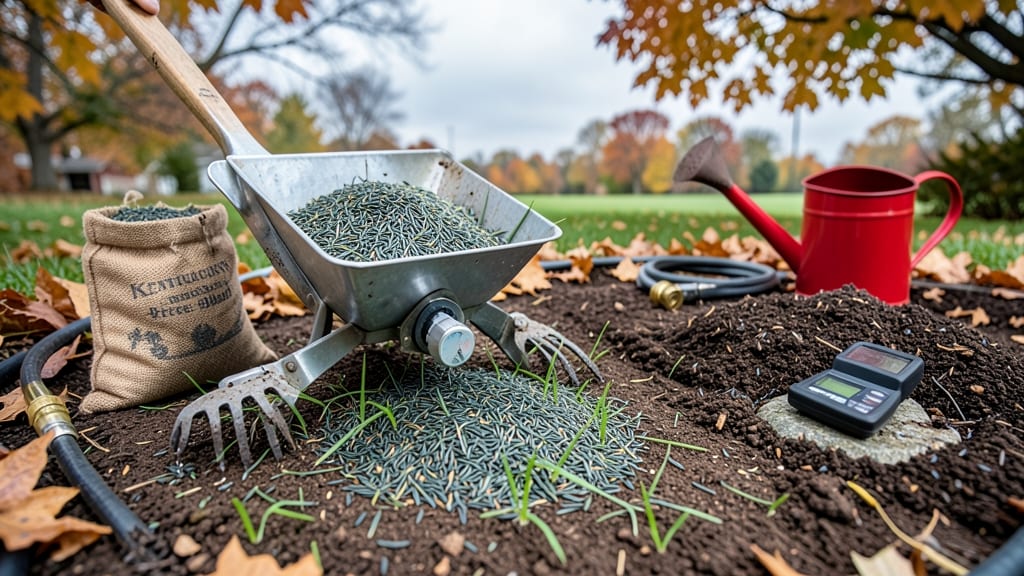
When is the best time to plant grass seed in the fall? It’s not just a gardening tip—it’s the secret weapon for a lawn that wows by spring. When you time it right, cooler temperatures and reduced weeds give your grass a fighting chance to establish deep roots before winter sets in.
I’ve seen firsthand how 4-6 weeks before your first frost transforms patchy yards into lush carpets. Whether you’re in USDA Zone 6a or another region, understanding the ideal window makes all the difference. Let’s break down exactly when to plant and how to set your grass up for success.
Fall planting isn’t just about timing—it’s about strategy. You’ll learn how to prep your soil, choose the right seed varieties, and care for your lawn so it thrives year-round. No more guessing games; just science-backed steps to grow the lawn of your dreams.
Ready to ditch the summer struggles and start fresh? I’ll walk you through everything you need to know, from soil prep to post-planting care. Let’s get that grass growing strong—because the best time to plant is now!
Optimal fall planting windows by climate Zone: when cooler temps boost grass seed success
Timing is everything when planting grass seed in the fall. The ideal window is 4-6 weeks before your first frost date, when soil temperatures hover between 50-65°F. This cooler window helps seeds germinate without stressing them with summer heat or winter freeze.
Northern gardeners (USDA zones 3-6) should aim for mid-August to early September, while Southern gardeners (zones 7-10) have until late October. The key is balancing warm soil and cool air to encourage strong root growth before dormancy.
Here’s how I determine my exact planting window: I check my local frost dates (USDA Plant Hardiness Zone Map), then count backward. For example, in Zone 5, I plant by September 15th to ensure roots establish before winter.
Regional variations matter too. In Pacific Northwest (cooler climates), I plant earlier—late July to August—while in Deep South (warmer zones), I wait until October when nights cool down.
Soil temperature is your best guide. Use a soil thermometer to confirm it’s above 50°F at 4 inches deep. If it’s cooler, wait—cold soil slows germination and weakens seedlings.
| USDA Zone | Ideal Planting Window | Soil Temp Goal (°F) | Key Consideration |
|---|---|---|---|
| 3-5 (Cold Climates) | Late July to early August | 50-55°F | Short growing season; prioritize early start |
| 6-7 (Temperate) | Mid-August to September | 55-60°F | Balanced window; avoid late-season heat stress |
| 8-9 (Warm Climates) | September to October | 60-65°F | Longer window; watch for early frosts |
| 10+ (Hot Climates) | October to November | 65°F+ | Plant late to avoid summer heat; use shade cloth if needed |
Pro tip: If you miss the ideal window, don’t panic. In mild winters (zones 8-10), you can plant as late as November, but germination slows significantly. For cold climates, late planting risks winter kill—seeds need 4-6 weeks to establish roots before frost.
Watch for frost warnings in your area. If a hard freeze (28°F or below) is forecast within 2 weeks, delay planting until conditions improve. Young seedlings are far more vulnerable than established grass.
Finally, test your soil 1-2 weeks before planting. Cool, moist soil in fall is perfect for seed-to-soil contact, but compacted or dry soil will block germination. Aim for 60% moisture at planting time for best results.
Remember: Fall planting isn’t just about timing—it’s about giving your grass the perfect head start for spring’s vibrant growth. With the right window, you’ll see thicker, greener lawns with minimal weeds competing for space.
5 Critical fall prep steps to maximize grass seed germination and root depth
Fall planting gives grass seed a head start on root growth before winter, but proper prep is key. Start by testing your soil pH—aim for 6.0-7.5—since grass thrives in slightly acidic to neutral conditions.
If your soil is off, amend it with lime (to raise pH) or sulfur (to lower it) 4-6 weeks before planting. Pro tip: Use a home test kit or send a sample to your local extension office for precise results.
Next, aerate your lawn to break up compacted soil and create space for roots. Rent a core aerator or hire a pro for large areas—this step is non-negotiable for seed-to-soil contact. Time it right: Aerate 2-3 weeks before seeding to let the holes heal slightly while keeping the soil loose.
For clay-heavy soils, mix in compost or sand to improve drainage and texture.