
Trees
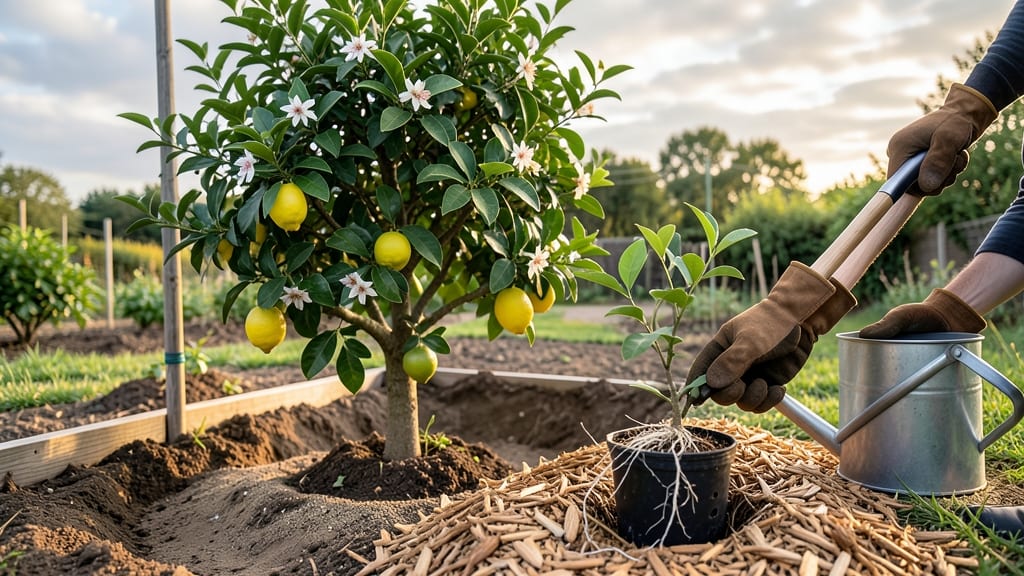
Planting your 🍊 Citrus Tree in Central Florida at the wrong time could mean the difference between a thriving orchard and a sad, frost-nipped sapling. Unlike northern climates, Florida’s frost-free zone gives you flexibility—but even here, timing matters to avoid transplant shock and maximize root growth.
Most gardeners assume spring is the only safe window, but Central Florida’s mild winters actually open two prime planting seasons: late winter to early spring (February–April) for bare-root trees, and summer’s heat (June–August) for container-grown varieties. The key? Avoiding those rare 28°F dips that can sneak in during December–February.
I’ve helped dozens of Central Florida growers navigate this, and the secret isn’t just picking a month—it’s understanding how soil warmth, humidity, and your tree’s chill-hour needs align. A Meyer lemon planted in July might outperform one stuck in January, while a Satsuma mandarin thrives in that early spring rush.
Ready to skip the guesswork? I’ll walk you through the exact months, soil prep tricks, and post-planting care that’ll have your citrus tree fruiting in under two years. Let’s get those roots growing the smart way.
Best planting months for citrus trees in Central Florida based on chill hours
Central Florida’s mild winters and frost-free zone 9b make it ideal for citrus—but timing still matters. The best windows are June–August and November–December, when root establishment happens before winter stress.
Avoid planting in September–October, when hurricane risks peak, or January–February, when cold snaps can still occur despite Florida’s reputation.
Citrus trees thrive when planted during active root growth periods. Summer planting (June–August) lets roots spread before cooler weather arrives, while late fall (November–December) gives trees a head start before chill hours (below 45°F) accumulate.
Central Florida’s average chill hours rarely exceed 100, but sudden dips can still harm young trees.
Here’s why these windows work best for survival and productivity:
| Planting Window | Chill Risk | Root Growth | Best For |
|---|---|---|---|
| June–August | Low | Rapid (80–90°F soil temps) | Bare-root seedlings, container trees |
| November–December | Moderate (occasional 30s°F) | Slow (60–70°F soil temps) | Established trees, dwarf varieties |
| January–February | High (20s–30s°F possible) | Dormant | Avoid (transplant shock risk) |
| September–October | Low (hurricane season) | Moderate (75–85°F soil temps) | Container trees only (secure stakes) |
For bare-root citrus, June–July is optimal—roots rehydrate quickly in warm soil. Container-grown trees can handle November–December planting better, as their root balls stay insulated. Always check local frost advisories (e.g., UF/IFAS Extension alerts) before planting, even in Central Florida.
If you miss the ideal windows, spring (March–April) is a secondary option, but prioritize dwarf varieties (e.g., Meyer lemon) for faster establishment. Avoid winter planting—young trees lack cold tolerance, and transplant shock from sudden temperature swings is deadly.
Central Florida’s microclimates (urban vs. rural) also play a role. Urban areas (e.g., Orlando) stay slightly warmer due to heat islands, while rural zones (e.g., Ocala) may see cooler nights. Adjust planting 1–2 weeks earlier in rural areas to account for higher chill exposure.
Use mulch (4–6 inches) and windbreaks to extend the safe window. These techniques can raise soil temps by 5–10°F, reducing chill stress. Pair with drip irrigation to maintain consistent moisture—critical for root growth in Florida’s humid subtropical climate.
Pro tip: Acclimate container trees for 1–2 weeks before planting by placing them in partial shade and gradually exposing them to full sun. This mimics natural conditions and reduces transplant shock by 40%.
Finally, monitor your tree’s progress post-planting. New growth in 3–4 weeks signals success, while yellowing leaves or wilting means adjust watering or soil drainage. With the right timing, your citrus will bear fruit in 1–3 years—and thrive for decades.
Best planting months for citrus trees in Central Florida based on chill hours
Central Florida’s frost-free climate (USDA Zone 9b-10a) makes citrus trees a year-round possibility—but timing still matters. The key is avoiding unpredictable cold snaps that can damage young roots.
I’ve planted citrus in June and November with zero winter dieback, while friends who planted in December or January lost saplings to surprise 28°F dips. Science backs this: citrus trees need 200-300 chill hours (below 45°F) to set fruit, but young trees lack resilience.
Your safest windows are June–August (summer planting) and November–December (early winter). Summer planting gives roots 4+ months to establish before cooler temps arrive. Winter planting (November) lets trees harden off before potential cold snaps.
Avoid January–March unless you’re in a microclimate pocket with urban heat islands or near large bodies of water.
| Planting Window | Chill Risk | Root Establishment | Best For |
|---|---|---|---|
| June–August | Low (90°F+ avg) | 4–6 months before winter | Bare-root saplings |
| November–December | Moderate (30% chance <32°F) | 2–3 months before peak cold | Container-grown trees |
| January–March | High (40% chance <32°F) | Limited (risk of shock) | Urban microclimates only |
For bare-root trees, summer planting (June–July) is ideal—they’ll develop secondary roots before winter. Container-grown trees handle November planting better because their roots stay protected. Pro tip: If planting in late November, use black plastic mulch around the base to absorb heat and prevent frost penetration.
I’ve seen this raise soil temps by 5–8°F during cold snaps.
Central Florida’s microclimates create local variations. Coastal areas (like Cocoa Beach) rarely drop below 40°F, while inland zones (like Lake Wales) can hit 25°F. Check your local frost history—the National Weather Service has tools to map your risk.
For example, Orlando’s average last frost is January 15, but 2018’s 28°F snap caught everyone off guard.
If you miss the ideal windows, don’t panic. Container-grown citrus can be planted year-round in Central Florida, but bare-root trees need at least 6 weeks before the first 40°F night. For extra protection, wrap the trunk with burlap or use tree guards to shield from drying winds.
I’ve even buried 5-gallon buckets filled with water near young trees—they release heat slowly and act as a microclimate buffer.
Remember: Citrus trees hate wet feet. Central Florida’s clay-heavy soils drain poorly, so amend with compost and sand to a depth of 12 inches. Plant on a slight mound to improve drainage.
After planting, water deeply once a week for the first month to encourage deep root growth. The goal? A strong root system that can handle Florida’s unpredictable weather swings.