
Trees
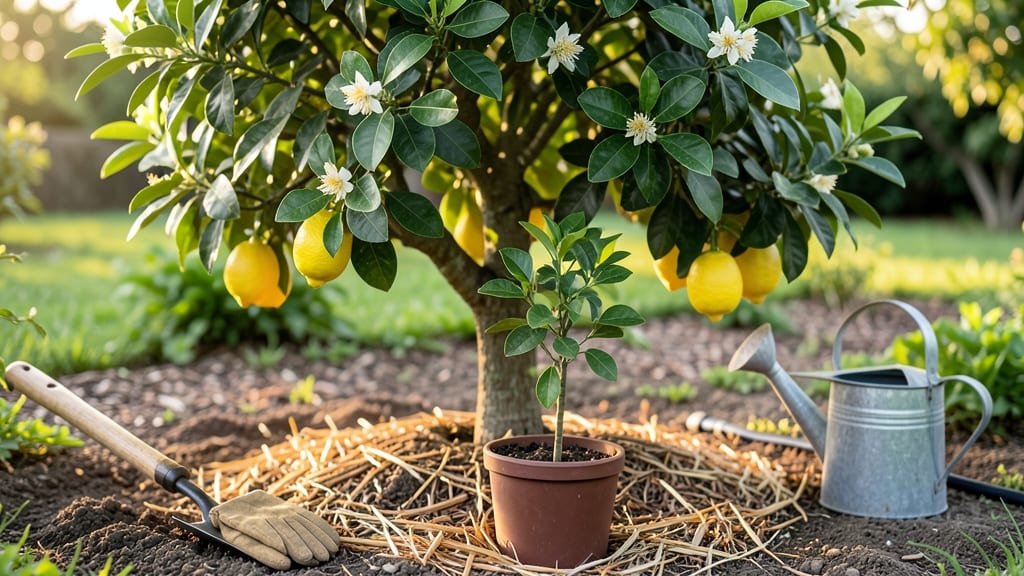
Knowing when to plant citrus trees in Zone 9 isn’t just about picking a month—it’s about giving your 🍊 tree the perfect start for a lifetime of fruit.
If you’ve ever watched a neighbor’s citrus thrive while yours struggles, the answer likely lies in timing, soil prep, and understanding your microclimate’s quirks.
Zone 9’s warm winters mean no frost to worry about, but that doesn’t mean you can plant anytime. The ideal window—late winter to early spring—aligns with rising soil temperatures and your tree’s natural growth cycle.
Skipping this window risks weak roots or summer stress, especially for varieties sensitive to heat spikes.
Here’s the game-changer: matching your citrus type to chill hours and local conditions. Whether you’re planting a Meyer lemon (low-chill) or a Valencia orange (moderate-chill), the right timing ensures faster establishment and bigger harvests. Let’s break down the exact steps to set your tree up for success.
From soil prep to post-planting care, I’ll walk you through everything—so you can avoid common mistakes and enjoy homegrown citrus year-round. Ready to transform your garden into a fruiting paradise?
Optimal planting windows for citrus trees in Zone 9 based on chill hours
Citrus trees thrive in Zone 9 because of its mild winters, but timing your planting is everything. Unlike colder zones, Zone 9 rarely sees frost, so we focus on soil warmth and chill hours—the number of hours below 45°F a tree needs to flower and fruit.
Most citrus varieties need 200-500 chill hours, but some varieties tolerate as few as 50-100 chill hours.
In Zone 9, the ideal planting window is late winter to early spring (February through March). This gives roots time to establish before the hot summer months, when water stress is highest.
Fall planting is riskier because young trees may struggle with winter heat spikes or unexpected cold snaps in late fall.
For container-grown citrus trees, you can plant year-round, but early spring is still best. Containers warm up faster, so avoid planting in peak summer heat, which can cause root stress.
If you must plant in summer, choose a shady spot for the first few weeks to help the tree acclimate.
🌱 Citrus Planting Windows in Zone 9
| Planting Window | Best For | Chill Hours Needed | Soil Temp | Risk Level |
|---|---|---|---|---|
| Late Winter (Feb) | In-ground planting | 200-500 hrs | 55-65°F | Low |
| Early Spring (Mar-Apr) | Best for all varieties | 50-500 hrs | 60-70°F | Very Low |
| Fall (Oct-Nov) | Low-chill varieties only | 50-100 hrs | 65-75°F | Moderate |
| Summer (Jun-Aug) | Container planting only | N/A (avoid) | 75-85°F | High (stress risk) |
If you’re planting bare-root citrus trees, do it as soon as possible after purchase—these trees have minimal root systems and need to establish quickly. Container-grown trees are more flexible, but even they benefit from early spring planting to avoid heat shock.
One critical mistake Zone 9 gardeners make is planting too early in winter. While the air may feel mild, soil temperatures can still dip below 55°F, slowing root growth. Use a soil thermometer to confirm the ground is consistently above 60°F before planting.
For high-chill varieties like Valencia oranges (which need 400-500 chill hours), aim for February planting. These trees need the cool winter months to set buds for spring blooms. Low-chill varieties, like Meyer lemons (50-100 chill hours), can handle March or even April planting without stress.
After planting, mulch heavily (3-4 inches of organic mulch) to retain soil moisture and regulate root-zone temperatures. In Zone 9, mulch also protects roots from sudden temperature swings, which can stress young trees. Avoid mulching too close to the trunk to prevent rot.
Remember: Citrus trees in containers can be moved, but in-ground trees should stay put. If you’re unsure about your microclimate, opt for low-chill varieties—they’re more forgiving and adapt better to Zone 9’s unpredictable winters.
With the right timing, your citrus tree will reward you with years of fruit production.
How to adjust planting by citrus variety: low-chill vs. high-chill needs
Not all citrus trees are created equal in Zone 9, and their chill-hour requirements dictate the best planting time. A Meyer lemon (50-100 chill hours) thrives with minimal winter chill, while a Valencia orange (400-500 chill hours) needs more.
Matching your variety to your microclimate’s chill hours prevents bud drop or poor fruit set.
Low-chill varieties like Meyer lemons and Calamondin oranges can handle March or even April planting in Zone 9. These trees adapt well to the region’s mild winters and produce fruit with minimal chill exposure.
High-chill varieties, such as Navel oranges or Satsuma mandarins, need February planting to maximize chill accumulation during winter.
Here’s how to align your planting with your citrus type for optimal fruit production:
🍊 Citrus Variety Chill Needs
| Variety | Chill Hours | Best Planting Month | Fruit Maturity |
|---|---|---|---|
| Meyer Lemon | 50-100 hrs | March-April | 8-12 months |
| Calamondin Orange | 50-100 hrs | March-April | 10-12 months |
| Satsuma Mandarin | 250-350 hrs | February-March | 9-12 months |
| Valencia Orange | 400-500 hrs | January-February | 10-14 months |
| Grapefruit (Ruby Red) | 300-400 hrs | February-March | 12-18 months |
If you’re unsure about your local chill hours, check your USDA Zone 9a vs. 9b classification—Zone 9a has slightly cooler winters (250-300 chill hours), while Zone 9b is warmer (150-200 chill hours).
For Zone 9a, high-chill varieties like Valencia oranges work well, while Zone 9b is better suited for low-chill types like Meyer lemons.
Pro tip: If you’re growing multiple citrus varieties, plant them in different containers so you can move them to microclimates with the right chill exposure.
For example, place high-chill trees near a north-facing wall in winter to capture cooler air, while low-chill varieties can thrive in full sun year-round.
Even with the right chill hours, young citrus trees need consistent care in their first year. Avoid fertilizing heavily until roots are established (usually 6-8 weeks after plantingwater deeply but infrequently to encourage deep root growth.
With the right variety and timing, your citrus tree will bear fruit within 2-3 years.