
Trees
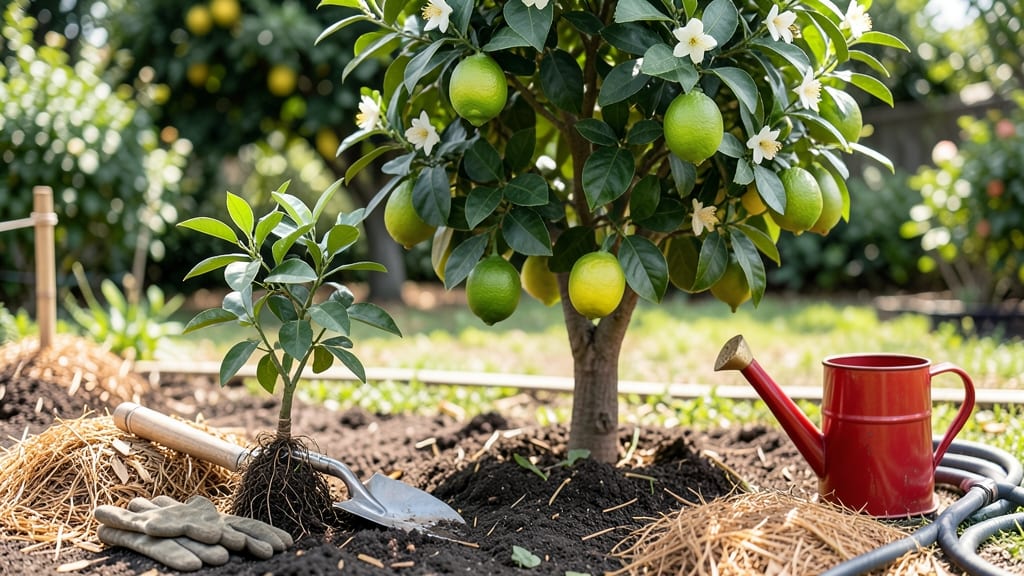
Best planting months for citrus trees in Louisiana by hardiness Zone
Louisiana’s humid subtropical climate makes it an ideal place for growing citrus trees, but timing is everything. Planting too early risks frost damage, while waiting too long can stunt growth.
The best time to plant citrus in Louisiana depends on your USDA hardiness zone—whether you're in Zone 8a, 8b, or 9a—and whether you're planting in the ground or in containers.
For most of Louisiana, the ideal planting window is from late February to early April. This ensures your citrus tree establishes roots before summer heat arrives.
However, Zone 8a (northern Louisiana) has a slightly shorter window due to earlier frost risks, while Zone 9a (southern Louisiana) offers more flexibility into early May.
Here’s why timing matters: Citrus trees need 6-8 weeks of warm soil (above 60°F) to establish roots. Planting too early in Zone 8a can expose young trees to late-winter frosts, while planting too late in Zone 9a may delay fruiting.
Container-grown trees have more flexibility and can be planted slightly later than bare-root trees.
If you're planting in containers, you have more flexibility because pots can be moved indoors during cold snaps. However, even container-grown trees need 6-8 weeks of warm weather to thrive. For in-ground planting, focus on March-April to give roots time to establish before summer’s intense heat.
Another key factor is soil preparation. Louisiana’s clay-heavy soils can suffocate citrus roots, so amend with organic matter like compost or pine bark fines. Aim for a slightly acidic to neutral pH (6.0-7.0) and ensure well-draining soil to prevent root rot—a common issue in Louisiana’s humid climate.
For bare-root trees, plant as soon as you receive them to avoid root desiccation. Soak roots in water for 1-2 hours before planting, then bury the graft union 2-3 inches below soil level to protect it from sun exposure.
This is especially critical in Zone 8a, where cold snaps can damage exposed grafts.
Pro tip: Use mulch (like pine straw or wood chips) to retain moisture and regulate soil temperature. Apply a 3-inch layer around the base of the tree, but keep it 6 inches away from the trunk to prevent rot.
Mulch also helps suppress weeds, which compete with citrus trees for nutrients.
Finally, consider microclimates in your area. Even within Louisiana, urban heat islands (like New Orleans) can extend the growing season by 2-4 weeks compared to rural areas.
If you’re near a large body of water or in a low-lying area, you may experience earlier frosts or more humidity, which can affect planting timing.
By following these zone-specific guidelines, you’ll give your citrus trees the best start possible—leading to healthier growth, earlier fruiting, and longer lifespan in Louisiana’s challenging but rewarding climate. 🌱
Citrus varieties that thrive in Louisiana’s climate (and when to plant each)
Louisiana’s humid subtropical climate makes it ideal for growing citrus, but not all varieties handle our hot summers and mild winters equally. Some types like Meyer lemons and Satsuma mandarins are cold-hardy enough to survive occasional dips below freezing, while others like Calamondins need extra protection.
Choosing the right variety ensures your tree thrives—and knowing the best planting window for each maximizes success.
Timing matters because citrus trees planted too early can suffer from late-winter frosts, while those planted too late may struggle to establish roots before summer heat.
For example, Improved Meyer lemons should go in the ground in late February to early March in Zone 8a, while Satsumas can handle a slightly later start in March or early April. Let’s break down the top citrus varieties for Louisiana and their perfect planting schedules.
If you’re in Zone 9a or 9b, you can push planting dates slightly later—even into April or May—since frost risks are lower. However, avoid planting after June, as young trees won’t establish strong roots before summer’s peak.
For container-grown citrus, you have more flexibility: move pots indoors or to a sheltered spot if frost is forecasted after planting.
One of my favorite varieties for Louisiana is the Improved Meyer lemon. It’s sweet, cold-hardy, and perfect for small spaces or containers. I planted mine in early March last year, and it’s already bearing fruit—something I didn’t expect so soon!
For Satsuma mandarins, which are less cold-tolerant, I recommend waiting until late March to give the tree a head start before summer heat arrives.
Pro tip: If you’re buying bare-root citrus trees, plant them as soon as possible after purchase to minimize root stress. For container-grown trees, you can plant them slightly later—even into May—since their roots are already established.
Just be sure to mulch heavily around the base to retain moisture and protect roots during Louisiana’s intense summers.
Finally, don’t forget that soil preparation is key. Citrus trees hate soggy soil, so amend your garden bed with compost and sand to improve drainage. If your yard has clay-heavy soil, consider planting in a raised bed or large container.
With the right variety and timing, you’ll be enjoying homegrown citrus in no time!