
Plants
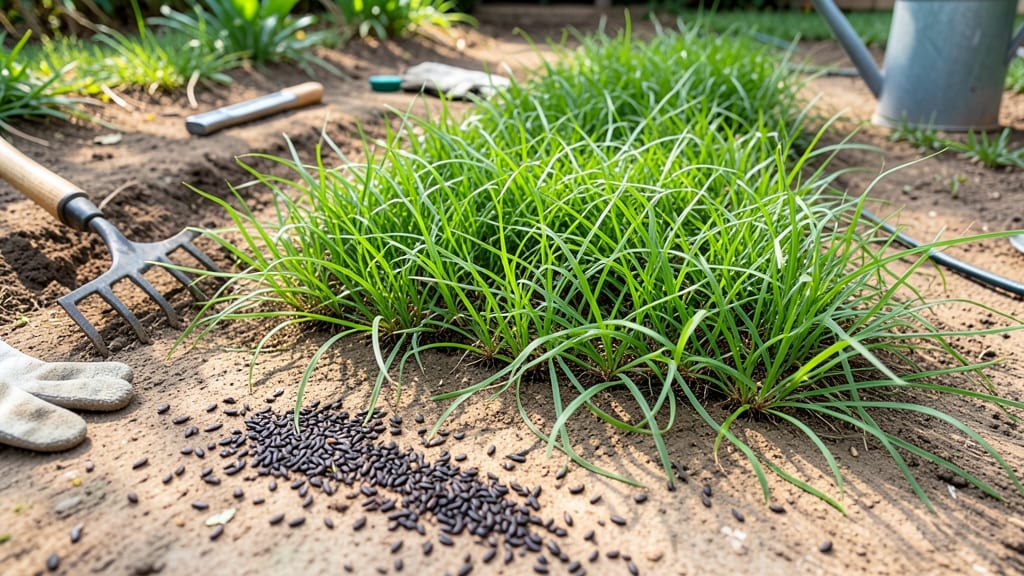
If you're dreaming of that lush, green Bermuda grass lawn in Texas, timing your seed planting is the key to fast, healthy growth—or risk watching your investment wither before it even starts.
The wrong window means struggling with heat stress, uneven germination, or even total failure, especially in Texas's 8a-10b zones where temperatures swing from scorching summers to unpredictable early frosts.
Most gardeners assume spring is the only time to plant Bermuda grass seeds, but fall actually offers a secret advantage—cooler soil temperatures and fewer weeds give seedlings a fighting chance.
I’ve seen firsthand how planting in late April through early June or August to early September can mean the difference between a fast, vibrant lawn and a patchy, struggling mess.
Don’t let common mistakes derail your efforts—like planting too early when soil is still cool or too late when summer heat arrives. The right approach depends on your region, whether you’re in North Texas, Central Texas, or the Gulf Coast.
Let’s break down exactly when, why, and how to plant for maximum success in your specific corner of the Lone Star State.
Ready to transform your yard? I’ll walk you through the ideal planting windows, soil prep tricks, and even how to avoid the 5 biggest mistakes Texas gardeners make. Your perfect lawn starts with the right timing—let’s get it right the first time.
Optimal planting windows for Bermuda grass seeds in Texas: spring vs fall comparison
Texas’s climate demands precision when planting Bermuda grass seeds. The best times are late spring (April–June) or early fall (August–September), when soil temperatures hit 65°F+ consistently. These windows avoid extreme heat or frost, giving seeds the best chance to germinate and establish roots before summer’s intensity or winter’s dormancy.
North Texas (USDA Zones 8a–8b) has cooler springs and earlier frosts, so aim for mid-April to early June in spring or late August to mid-September in fall.
Meanwhile, South Texas (Zones 9a–10b) can plant as early as March or extend fall planting to early October due to milder winters.
Bermuda grass thrives in heat but struggles with soil temps below 60°F. Planting too early risks seeds rotting in cold, wet soil, while late planting may leave grass vulnerable to summer drought or winter dieback. Always check soil temps with a soil thermometer before seeding.
Spring planting gives Bermuda grass a head start for summer’s growth surge, but requires daily watering to prevent drought stress. Fall planting, however, allows seeds to establish roots before winter, resulting in a denser lawn by spring. Both seasons have trade-offs—choose based on your region’s microclimate.
| Factor | Spring Planting (April–June) | Fall Planting (August–September) |
|---|---|---|
| Ideal Soil Temp | 65–85°F | 70–80°F |
| Growth Speed | Fast (summer heat) | Moderate (cooler temps) |
| Watering Needs | Daily (high) | Weekly (moderate) |
| Establishment Time | 6–8 weeks | 8–10 weeks |
| Best For | Fast summer coverage | Winter hardiness |
For North Texas, prioritize late April to early June in spring to avoid late frosts. In Central Texas, extend spring planting to early July if soil stays warm. South Texas gardeners can plant as early as March but must monitor for hurricane season delays in late summer.
Fall planting in Texas offers a cooler, more forgiving window. Aim for August to early September to let seeds germinate before September heat waves. Avoid planting after mid-September, as cooler nights slow growth and increase fungal risks. Use a shade cloth if late-season temps spike.
Regardless of season, test soil pH (ideal: 6.0–7.0) and amend with compost before planting. Bermuda grass needs well-draining soil—sandy loam works best. In clay-heavy areas, mix in sand or peat moss to improve aeration and prevent waterlogging.
Pro tip: Overseed in fall if your lawn thins in summer. Fall’s moderate temps and increased rainfall create perfect conditions for thick, resilient growth. Just remember—Bermuda grass goes dormant in winter, so avoid planting after October in colder zones.
Timing isn’t just about months—it’s about soil warmth, rainfall patterns, and local microclimates. Check your Texas A&M AgriLife Extension zone map for precise guidance, and always plant when daytime temps stay above 75°F for consistent germination.
Optimal planting windows for Bermuda grass seeds in Texas: spring vs fall comparison
Texas’s diverse climate—from the Panhandle’s cooler zones to the Gulf Coast’s humidity—means Bermuda grass planting times vary dramatically. The key is planting when soil temperatures stay above 65°F consistently, ensuring fast germination before summer’s brutal heat or winter’s dormancy sets in.
Most Texas gardeners swear by late spring (April–June) as the prime window, but early fall (August–September) offers a second chance. The difference? Spring seeds race against summer’s heat, while fall seeds establish roots before winter slows growth. Let’s break down the best approach for your region.
🌱 Spring vs Fall Planting Comparison
| Factor | Spring Planting (Apr–Jun) | Fall Planting (Aug–Sep) |
|---|---|---|
| Best For | North/Central Texas (cooler zones) | South Texas/Gulf Coast (hotter zones) |
| Soil Temp Requirement | 65°F+ (consistent) | 65°F+ (cools faster in fall) |
| Germination Time | 7–14 days (fast in heat) | 10–21 days (cooler nights slow growth) |
| Heat Risk | High (drought stress) | Low (avoids peak summer) |
| Establishment Time | 6–8 weeks (race against summer) | 8–10 weeks (slower but safer) |
| Best Texas Regions | Dallas, Austin, San Antonio | Houston, Corpus Christi, Brownsville |
For North Texas (USDA Zones 8a–8b), aim for late April to early May when daytime highs hit 80°F+ but nights stay mild.
In Central Texas (Zones 8b–9a), stretch planting to June 1—just don’t wait past early July, or seeds will bake in the soil. South Texas (Zones 9b–10b) gardeners should plant in August to avoid the 100°F+ summers.
Fall planting in September gives seeds a head start before winter, but stop by October 15—cooler nights slow germination, and frost can kill young sprouts. Pro tip: Use a soil thermometer to confirm temps stay above 65°F for at least 7 days post-planting.
Regardless of season, avoid planting in summer’s peak (June–July)—seeds won’t germinate, and young grass will struggle under intense heat and drought. Instead, time it right, and you’ll have a lush, shade-tolerant lawn that outcompetes weeds.