
Plants
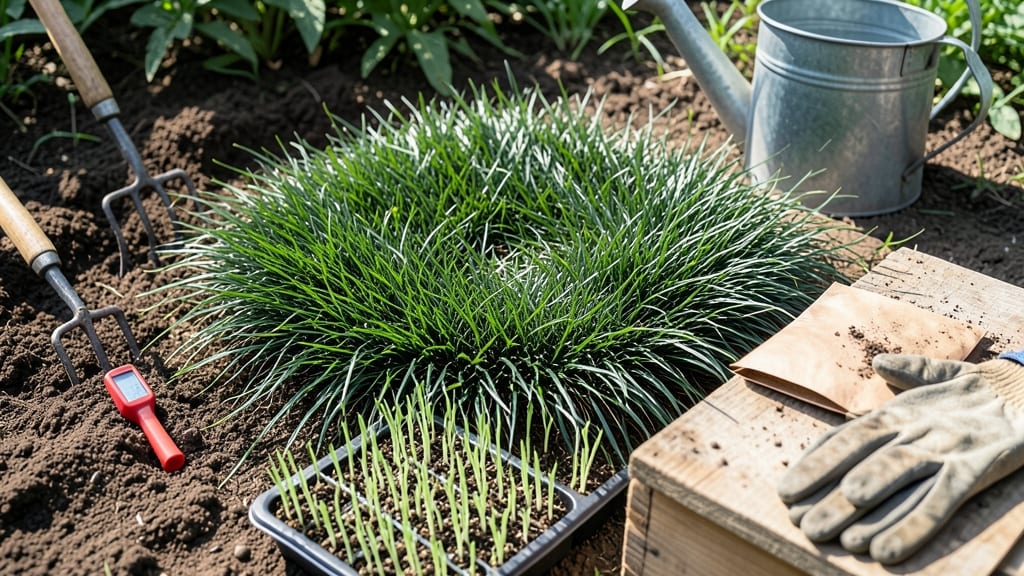
Planting Bermuda seed in Arizona isn't just about picking a date—it's about outsmarting the desert's heat and monsoons to give your lawn the best shot at thriving.
If you miss the sweet spot between late February and early April, you risk battling weeds or struggling with poor germination before summer's scorching temperatures take over.
I've seen firsthand how timing makes all the difference in Arizona's 9b climate zone. The key is planting when soil temperatures hit 65°F+, giving those tiny seeds the warm environment they need to sprout before the real heat arrives.
But here's the catch: planting too early can leave your grass vulnerable to spring rains and pests, while waiting too long means fighting drought stress.
What most gardeners don't realize is that fall planting (September-October) can actually work better in Arizona's extreme conditions. The cooler temperatures create ideal germination windows while avoiding the brutal summer sun. Let me show you exactly how to time your planting for bold, heat-resistant growth—without the guesswork.
Whether you're establishing a new lawn or renovating an old one, these proven strategies will help your Bermuda grass take root faster and outcompete weeds. We'll cover the best varieties for Arizona's heat, soil prep secrets, and watering schedules that actually work in our arid climate.
Ready to transform your yard from brown to green?
Optimal planting windows for Bermuda seed in Arizona’s climate zones
Arizona’s extreme heat and monsoon season demand precision when planting Bermuda grass seed. Unlike cooler climates, the perfect window is brief—miss it, and your lawn battles weeds or struggles to establish. The key? Plant when soil temperatures hit 65°F+ and stay consistent.
Most Arizona gardeners swear by late spring planting (April–May) when daytime highs stabilize around 90°F. This timing aligns with monsoon moisture, reducing irrigation demands. However, fall planting (September–October) is a close second for drought-resistant varieties like TifTuf.
Here’s the critical rule: Never plant when soil temps dip below 60°F—Bermuda seed refuses to germinate in cooler conditions. Use a soil thermometer to confirm readiness, especially in higher elevations like Flagstaff, where nights stay chilly longer.
Arizona’s microclimates complicate timing. Phoenix’s low desert (Zone 10a) can plant earlier (March), while Tucson’s upper Sonoran (Zone 9a) waits until mid-April. Flagstaff’s cool high desert (Zone 7b) may need to delay until late May.
Pro Tip: If you’re in southern Arizona, aim for April 15–May 15. Northern regions should target May 1–June 1. The earlier you plant, the more time Bermuda has to outcompete weeds before summer’s peak.
🌱
| Arizona Region | Best Planting Window | Soil Temp Trigger | Key Consideration |
|---|---|---|---|
| Phoenix (Low Desert) | March 15–April 30 | 65°F+ | Monsoon prep |
| Tucson (Upper Sonoran) | April 15–May 15 | 68°F+ | Avoid summer drought |
| Flagstaff (High Desert) | May 15–June 15 | 70°F+ | Cooler nights slow growth |
| Sedona (Pine Country) | June 1–July 1 | 72°F+ | Wait for heat stability |
For fall planting, shift your focus to September 1–October 15. This window lets Bermuda establish roots before winter’s cooler temps. However, avoid planting after October 15—seedlings may not harden off before frost risks in northern Arizona.
One common mistake is assuming monsoon rains alone will germinate Bermuda seed. While moisture helps, consistent soil warmth is non-negotiable. Use a clear plastic mulch to raise soil temps by 5–10°F if planting early.
If you’re in southern Arizona and miss the spring window, late summer planting (August) can work—but only if you irrigate daily until germination. The trade-off? Weed competition spikes in 100°F+ heat, so pre-emergent herbicide may be necessary.
Always test your soil first. Bermuda thrives in sandy loam with a pH of 6.0–7.5. Amend clay soils with compost or gypsum to improve drainage—waterlogged roots are Bermuda’s #1 killer in Arizona’s unpredictable monsoons.
💧
Optimal planting windows for Bermuda seed in Arizona’s climate zones
Arizona’s diverse climate zones mean your Bermuda grass seed planting window varies dramatically from Phoenix’s scorching low desert to Flagstaff’s cooler high desert. Timing isn’t just about months—it’s about soil temperatures and monsoon patterns.
Plant too early, and your seeds rot in cold soil; too late, and weeds steal your turf’s spotlight.
For Phoenix and Tucson (USDA Zone 9b-10a), the ideal planting window is mid-March through mid-April when soil warms to 70°F+. This gives seedlings a 4-6 week head start before summer’s brutal heat.
Meanwhile, Flagstaff’s cooler microclimate (Zone 7a) allows for late April to early May plantings—just as daytime highs hit 65°F consistently.
🌱
🌡️ Arizona Bermuda Planting Comparison
| Zone & Location | Best Planting Window | Soil Temp Threshold | Monsoon Risk |
|---|---|---|---|
| Phoenix/Tucson (9b-10a) | Mid-March to Mid-April | 70°F+ | High (July-August) |
| Yuma (11a) | Early February to Early March | 65°F+ | Low |
| Flagstaff (7a) | Late April to Early May | 60°F+ | Moderate |
| Sedona (8a) | Late March to Early April | 68°F+ | Moderate |
Pro Tip: Use a soil thermometer to confirm readiness—Bermuda seeds won’t germinate below 65°F.
Don’t overlook fall planting (September-October)—this secondary window gives seeds time to establish before winter dormancy. In Phoenix, aim for late September when daytime temps drop to 85°F or lower. For higher elevations, stretch planting into early October to avoid first frost risks.
One critical mistake is planting after monsoon season (July-August). While rains help establish new lawns, they also bring fungal diseases like brown patch. If you must plant during monsoons, raise seed beds to improve drainage and water deeply but infrequently to avoid soggy soil.
For best results, test your soil pH (6.0-7.0) and amend with compost before planting. Bermuda grass hates competition, so pre-emergent herbicides should be applied 4-6 weeks after germination to block weeds.
☀️