
Plants
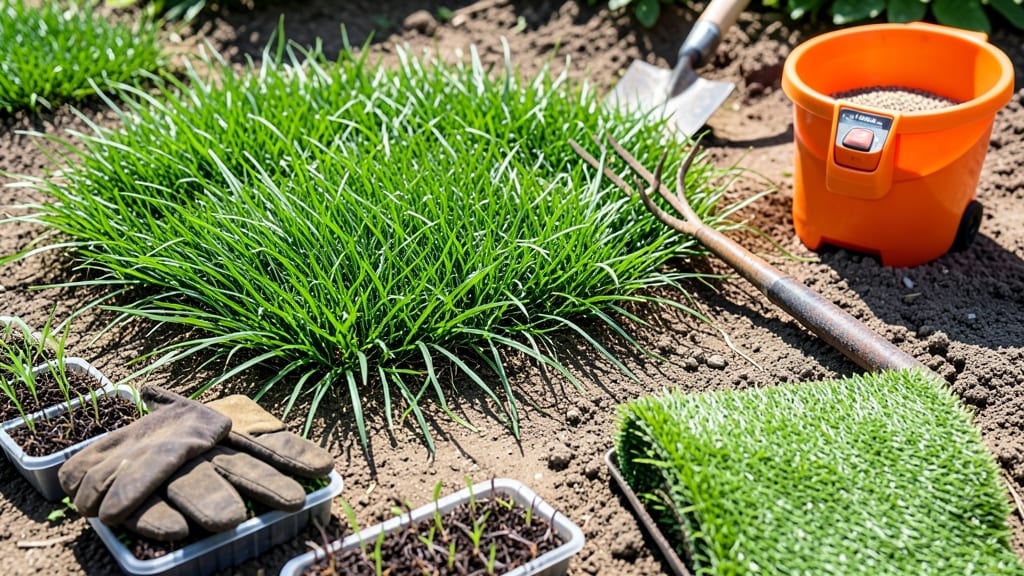
Planting Bermuda grass 🌱 in Mississippi at the wrong time can leave your lawn struggling through brutal summers—so getting the timing right is the key to a lush, drought-resistant yard.
With Mississippi’s USDA zones 7b-9a and intense heat, choosing between early spring or late summer planting makes all the difference. I’ll break down exactly which window works best for your region and why.
You’ll discover how soil temperature and rainfall patterns affect root development, plus how to prepare your yard for success—whether you’re seeding or laying sod.
Let’s make sure your Bermuda grass thrives from day one, even when Mississippi’s climate tries to work against you.
Optimal Mississippi planting windows: spring vs fall for Bermuda grass success
Mississippi’s hot summers and humid climate demand precise timing when planting Bermuda grass—either late spring or early fall works best. Both windows give your grass 6-8 weeks of warm soil before extreme heat or cold sets in, ensuring strong root establishment.
Spring planting (March–April) aligns with rising soil temperatures above 65°F, while fall planting (August–early September) avoids summer’s peak stress. Let’s break down why each season matters for your Mississippi lawn. 🌱
For spring planting, aim for late March to early April after the last frost (typically March 15 in most of Mississippi). This timing lets seeds germinate before summer drought hits, giving roots time to penetrate deeply before the heat intensifies.
Northern Mississippi’s cooler microclimates may shift this window slightly later (early April), while southern regions can start as early as mid-March. The key is soil temperature, not calendar dates. 🌡️
Fall planting in August to early September offers a second chance for strong root growth before winter dormancy. This window avoids peak summer heat and gives grass time to establish before frost (around mid-November).
Fall-planted Bermuda grass often outperforms spring in Mississippi because it avoids early-season drought stress. However, planting too late (after September 15) risks weak roots before winter slows growth. ⏰
Bermuda grass thrives in USDA zones 7b-9a, but Mississippi’s microclimates create variations. North Mississippi’s cooler nights may delay spring planting by 1-2 weeks, while the Gulf Coast can start earlier. Always check your local frost dates and monitor soil temps—a soil thermometer is your best tool. 🌡️📊
Spring vs Fall Planting Comparison for Mississippi Bermuda Grass
| Factor | Spring Planting (March–April) | Fall Planting (August–Early Sept) |
|---|---|---|
| Soil Temperature | 65–75°F | 70–80°F |
| Growth Window | 6–8 weeks before summer drought | 6–8 weeks before frost |
| Watering Needs | High (establishment phase) | Moderate (cooler temps) |
| Root Depth Goal | 4–6 inches before summer | 3–5 inches before dormancy |
| Mississippi Risk | Early drought stress | Late-season heat spikes |
| Best For | Fast summer coverage | Long-term root strength |
💡 Pro Tip: Use sod in spring for instant coverage, but seeds in fall for deeper roots.
Mississippi’s summer heat can turn a poorly timed planting into a lawn disaster. If you plant too early (before March 1), seeds may rot in cold soil. Planting too late (after April 30) risks shallow roots before drought hits.
Similarly, fall planting after September 15 leaves grass vulnerable to winter kill. Always adjust for your specific county—check the Mississippi State University Extension for localized advice. 🗺️
Another critical factor is Bermuda grass’s dormancy cycle. In Mississippi, grass goes dormant in winter but can recover quickly in spring if roots are deep. Fall planting leverages this by giving grass time to harden off before cold.
Spring planting, however, relies on aggressive early growth to outpace summer stress. Both methods work, but fall often wins in Mississippi’s climate. 🌿
For sod vs. seeds, timing shifts slightly. Sod can handle earlier spring planting (as early as February in southern MS) because it’s already established.
Seeds, however, need warmer soil (at least 65°F) to germinate, so wait until March–Aprilgerminate faster in warm soil and outcompete weeds before winter. 🌱
Mississippi’s clay-heavy soils also play a role. Bermuda
Optimal Mississippi planting windows: spring vs fall for Bermuda grass success
Mississippi’s humid subtropical climate (USDA zones 7b-9a) creates two prime windows for planting Bermuda grass: late spring and early fall. Each season offers unique advantages—spring kickstarts growth before summer heat, while fall allows roots to establish before winter dormancy.
The key is planting when soil temperatures consistently hit 65°F or higher, ensuring seeds germinate properly.
For spring planting, aim for March to early April after the last frost (typically mid-March in most of Mississippi). This gives Bermuda grass 6-8 weeks of warm soil before summer’s peak heat.
In contrast, fall planting (late August to early September) lets grass establish roots before cooler weather slows growth. Both timelines align with Mississippi’s 210-240 frost-free days, maximizing growth potential.
| Season | Best Months | Soil Temp | Growth Advantage |
|---|---|---|---|
| Spring | March–April | 65°F+ | Early sun exposure, rapid germination |
| Fall | August–Early Sept | 70°F+ | Root establishment before dormancy |
Mississippi’s North vs South microclimates also influence timing. In Northern Mississippi (USDA 7b), spring planting may extend into early May due to later soil warming, while Southern Mississippi (USDA 9a) can plant as early as February in ideal conditions.
Always check weekly soil temps—a soil thermometer is your best tool for precision.
One common mistake? Planting too early in spring when nights are still chilly. Bermuda grass seeds need consistent warmth to germinate—if soil dips below 55°F, germination stalls.
Similarly, late summer planting (after August 15) risks heat stress before roots establish. Balance is key: plant when daytime highs exceed 80°F but nights stay mild.
For sod vs seeds, timing shifts slightly. Sod can be laid 2 weeks earlier than seeds in spring (soil doesn’t need to warm as much), while seeds need that extra heat for germination.
In Mississippi’s heat, sod often outperforms seeds due to faster establishment, but seeds offer more variety for custom blends.
Pro tip: If you miss the spring window, don’t despair—late August is your second chance. Just ensure 60 days of warm weather remain before first frost (typically mid-November in Mississippi). With the right timing, your Bermuda grass will develop deep, drought-resistant roots to handle Mississippi’s intense summers. 🌱💧☀️