
Plants
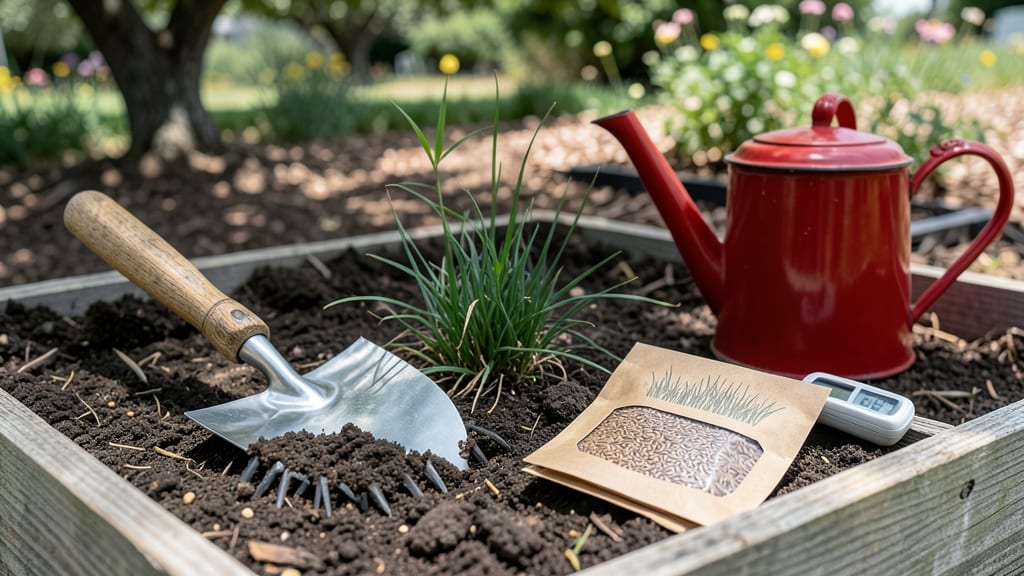
Planting Bermuda grass seed at the wrong time in Arkansas can mean the difference between a lush, green lawn and wasted effort—soil temperatures and frost dates are everything. If you've ever stared at your yard wondering why your grass just won't take, you're not alone.
The key to success lies in understanding when the ground is warm enough and how local climate patterns play into your planting schedule.
In Arkansas's 7a-8a zones, timing is everything. Bermuda grass 🌱 thrives when soil temperatures consistently hit 65-75°F, which typically means waiting until late spring or late summer. Planting too early risks frost damage, while waiting too long could mean slower germination as summer heat sets in.
Let me show you exactly when to plant for fast results.
Whether you're in the northern hills or southern plains of Arkansas, regional differences matter. Urban areas might warm up faster than rural spots, and microclimates near lakes or mountains can shift your ideal planting window. I'll break down the best months for your specific area to maximize your lawn's potential.
Ready to transform your yard? By the end of this guide, you'll know exactly when to plant Bermuda grass seed in Arkansas for a lawn that's the envy of the neighborhood. Let's get started on your path to a vibrant, healthy turf.
Ideal soil temperature ranges for planting Bermuda grass seed in Arkansas
Bermuda grass thrives when planted in warm soil, and Arkansas gardeners must time their efforts carefully to avoid failed germination. The perfect soil temperature for planting Bermuda grass seed falls between 65°F and 75°F.
Below 65°F, seeds may not sprout, while temperatures above 75°F can stress young seedlings. In Arkansas, this typically aligns with late spring to early summer or late summer for fall planting.
Soil warmth is more critical than air temperature. Even if daytime air feels warm, the soil may still be too cool for germination. Use a soil thermometer to check temperatures at a 4-inch depth, the ideal planting level.
In Arkansas, this usually means waiting until mid-April to early May for spring planting or late August to early September for fall planting.
Arkansas spans USDA Zones 7a to 8a, meaning regional differences affect planting timing. In Northern Arkansas (Zone 7a), soil warms slower, so delay planting until late May to ensure consistent warmth.
Meanwhile, Southern Arkansas (Zone 8a) can start planting as early as mid-April without risking frost damage to seedlings.
To test your soil’s readiness, dig a small hole and insert a soil thermometer. Check temperatures in the morning for the most accurate reading. If the soil is below 65°F, wait a few days and retest. Patience here prevents wasted seed and ensures strong seedling establishment.
Another key factor is consistent warmth. Bermuda grass seeds need soil to stay warm for at least 7-10 days after planting. In Arkansas, sudden cold snaps or unpredictable rain can disrupt this process. Monitor your local 7-day forecast for stable temperatures before planting.
🌱 Bermuda Grass Soil Temperature Guide for Arkansas
| Soil Condition | Ideal Temperature Range | Arkansas Planting Window | Germination Time |
|---|---|---|---|
| Too Cold | Below 65°F | Wait until late spring | No germination |
| Perfect for Planting | 65°F - 75°F | Late April - Early June (spring) or Late August - Early Sept (fall) | 7-14 days |
| Too Hot | Above 85°F | Avoid peak summer | Stressed seedlings |
| Optimal Establishment | 70°F - 75°F | May - Early June (spring) or Late Aug (fall) | 5-7 days |
🌡️ Pro Tip: Use a soil thermometer to avoid guessing—precision prevents wasted seed!
If you’re planting in Northern Arkansas, aim for late May to ensure soil warmth. In contrast, Southern Arkansas can start as early as mid-April. Always check for consistent warmth over a week-long period, as temporary spikes won’t suffice.
For example, if your soil hits 68°F for a day but drops back to 60°F the next, wait for stable warmth.
Another trick is to pre-warm your soil in early spring by removing winter debris and using black plastic mulch for 2-3 weeks before planting. This method can accelerate soil warming by 5-10°F, giving you an earlier planting window. Just remove the mulch right before sowing to avoid seed overheating.
Bermuda grass seeds are tiny, so they rely entirely on soil warmth and moisture to germinate. Once planted, keep the soil consistently moist (not soggy) until seedlings emerge. In Arkansas’s humid climate, this means light watering every 2-3 days until germination occurs, typically within 7-14 days under ideal conditions.
Finally, avoid planting Bermuda grass seed during Arkansas’s peak summer heat (July-August). While soil may be warm, the intense sun and drought conditions can overwhelm young seedlings. Instead, opt for late August to early September for fall planting, giving seedlings time to establish before winter.
By mastering soil temperature timing, you’ll set your Bermuda grass up for fast germination and a thick, green lawn within weeks. Arkansas
Best planting windows by Arkansas region: frost-free dates & local microclimates
Arkansas' diverse climate means your bermuda grass planting window varies dramatically between Northern, Central, and Southern regions. While the ideal window is late spring or early fall, local frost dates and microclimates create nuanced differences you can't ignore.
Northern Arkansas (USDA Zone 7a) has the shortest frost-free season, with last frosts often lingering until April 15. In contrast, Southern Arkansas (Zone 8a) typically sees its final frost by March 15, giving you an earlier start.
These differences can mean 3-4 weeks of planting flexibility depending on where you live.
Urban areas like Little Rock and Fayetteville often experience heat islands that warm soil faster, while rural areas may stay cooler longer. Always check your specific last frost date using the Arkansas Climate Office maps before planting.
| Region | USDA Zone | Last Frost | Best Planting Window | Notes |
|---|---|---|---|---|
| Northern Arkansas | 7a | April 15 | May 1 - June 10 | Wait for soil to warm to 68°F+ |
| Central Arkansas | 7b | April 1 | April 20 - May 20 | Urban areas warm faster |
| Southern Arkansas | 8a | March 15 | March 25 - April 15 | Earliest planting possible |
For fall planting, Southern Arkansas can start as early as August 15, while Northern regions should wait until September 1 to avoid early frosts. The key is planting when soil temperatures stay above 65°F for at least 10 days.
If you're in a microclimate like a valley or near water, your soil may stay warmer longer, allowing earlier planting. Always test soil temperature with a soil thermometer at 2-4 inches deep before committing to your planting date.
Remember that late August planting gives seeds time to germinate before cooler fall temperatures arrive. This is why many Arkansas gardeners prefer fall planting for better establishment before winter dormancy.