
Plants
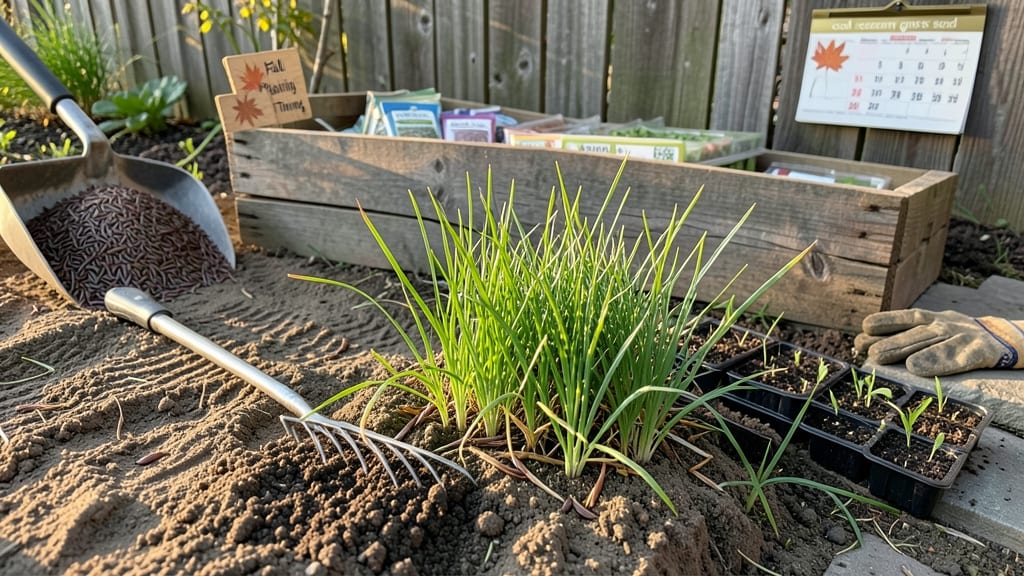
Planting grass seed in the fall might seem like a gamble—will the cooler weather help or hurt your lawn? The truth is, fall is actually the best time to plant, but only if you time it right and prep your soil properly.
Cooler temperatures and reduced weed competition give your grass a fighting chance to establish strong roots before winter hits. I’ve seen firsthand how a properly timed fall planting can mean the difference between a patchy lawn and a thick, green carpet by spring.
But here’s the catch: planting too early or too late can leave your seed vulnerable to frost or drought. Whether you’re in USDA Zone 6a or another region, I’ll break down the exact window—plus soil prep secrets—to ensure your grass takes off like 🌱.
Ready to skip the spring struggles and grow a lawn that lasts? Let’s dive into the ideal fall planting schedule, regional adjustments, and the mistakes that kill even the best-intentioned lawns.
Best fall planting windows by US region: when to seed for maximum growth
Fall planting gives grass seed a head start on root growth before winter, but the timing window varies dramatically across the U.S. Planting too early or late can leave your lawn vulnerable to weeds, frost damage, or poor germination.
Let’s break down the ideal planting windows by region so you can seed at the perfect moment.
Your local first frost date is the starting point for fall planting. Aim to seed 4-6 weeks before the average first frost—this gives seedlings time to establish roots before winter dormancy.
For example, if frost hits November 15, your planting window opens around late September. Use the USDA Plant Hardiness Zone Map to refine your timing.
Northern regions (Zones 3-5) have the shortest planting windows—often just 4-6 weeks between late August and mid-October. Southern regions (Zones 8-10) can plant later, sometimes into December, but must avoid winter rains that cause erosion.
Mountainous areas (Zones 4-7) require extra caution due to earlier frosts and cooler soil temperatures.
| Region | USDA Zones | Ideal Planting Window | Soil Temp Threshold | Key Tip |
|---|---|---|---|---|
| Northern (Cold Climates) | 3-5 | Late August–Mid-September | 50–65°F (10–18°C) | Use cool-season grasses like Kentucky Bluegrass or Fescue. |
| Midwest (Temperate) | 6-7 | Mid-September–Early October | 55–70°F (13–21°C) | Aerate 2 weeks before seeding for best results. |
| Southern (Warm Climates) | 8-10 | October–December | 60–75°F (16–24°C) | Choose warm-season grasses like Bermuda or Zoysia. |
| Mountainous (High Altitude) | 4-7 | Early September–Late September | 45–60°F (7–15°C) | Test soil moisture weekly—mountain air dries faster. |
Soil temperature is critical for germination. Use a soil thermometer to confirm temps are ideal—most grass seeds need soil between 50–75°F (10–24°C). In cooler climates, wait until daytime temps stay above 60°F (16°C) to avoid slow growth.
Pro tip: Morning soil temps are usually 5–10°F cooler than afternoon readings, so check early.
Regional microclimates can shift your planting window by 2-4 weeks. For example, coastal areas stay warmer longer, while inland zones cool faster.
If you’re unsure, observe nearby mature lawns—healthy grass indicates ideal conditions. Overseeding (adding seed to existing lawns) can extend your window by 2-3 weeks since established grass provides shade and moisture retention.
Don’t ignore rainfall patterns in your area. Regions with consistent fall rains (like the Pacific Northwest) can plant later, while drought-prone areas (like the Southwest) need to seed earlier to rely on stored moisture.
Always keep 1–1.5 inches of water in the soil daily for the first 2 weeks after planting.
If you miss the primary fall window, don’t panic—many grasses tolerate late fall planting as long as soil temps stay above 40°F (4°C). However, growth will slow dramatically, and seedlings may struggle to establish before winter.
In these cases, use a lightweight mulch (like straw) to protect seeds from frost.
For northern gardeners, consider a two-step approach: plant 60% of your seed in early fall (for rapid germination) and the remaining 40% in late fall (to catch any missed spots). This hybrid method maximizes coverage and reduces weed competition.
Remember: Cool-season grasses (like Tall Fescue or Ryegrass) thrive in fall, while warm-season grasses (like St. Augustine) should be planted in spring or early summer. Mixing varieties can create a year-round green
Best fall planting windows by US region: when to seed for maximum growth
Fall planting gives grass seed a 4-6 week head start before winter dormancy, but timing varies dramatically across the U.S. The key is planting when soil stays above 50°F (10°C) but before first frost.
In colder northern regions, aim for late August to mid-September, while southern zones can extend planting until early November. Mountain areas need extra caution due to earlier frost dates.
Your USDA hardiness zone determines the perfect window. Zone 3-5 (North) should plant by September 15, while Zone 7-9 (South) can wait until October 30. Even within zones, elevation matters—mountain lawns may need to plant 2-3 weeks earlier than valley areas.
Always check your local frost dates using the USDA Plant Hardiness Zone Map.
| Region | Ideal Planting Window | Soil Temp Threshold | Key Consideration |
|---|---|---|---|
| Northern (Zones 3-5) | Late August - Mid-September | 50-65°F (10-18°C) | Frost arrives early; use cool-season grasses |
| Southern (Zones 7-9) | Mid-September - Early November | 60-75°F (15-24°C) | Milder winters allow later planting |
| Mountain (Zones 4-6) | Early August - Late September | 45-60°F (7-15°C) | Higher elevations freeze sooner |
For cool-season grasses like tall fescue or Kentucky bluegrass, fall planting means stronger root systems before winter. These varieties thrive when seeded 4-6 weeks before frost. In contrast, warm-season grasses like Bermuda or Zoysia should only be planted in southern zones during late summer—never in fall.
Pro tip: Use a soil thermometer to confirm temperatures. If soil dips below 50°F (10°C) at night, germination slows dramatically. In Zone 6a (like my garden!), I always plant by October 1 to ensure roots establish before November frost.
Adjust your schedule based on your last average frost date—find yours with the Old Farmer's Almanac.
Regional adjustments also apply to watering needs. Northern lawns need consistent moisture as temperatures drop, while southern lawns can handle less frequent watering due to milder fall weather.
Always water deeply in the morning to prevent fungal growth from evening dampness. A 1-inch watering 2-3 times weekly keeps seeds hydrated without over-saturating the soil.
Remember: Fall planting success hinges on three critical factors—timing, soil temperature, and seed selection. Cool-season grasses dominate northern lawns, while southern gardens often mix cool-season overseeding with warm-season establishment.
Start with the right grass type for your climate, then follow your region's planting window to avoid wasted seed and patchy growth.