
Plants
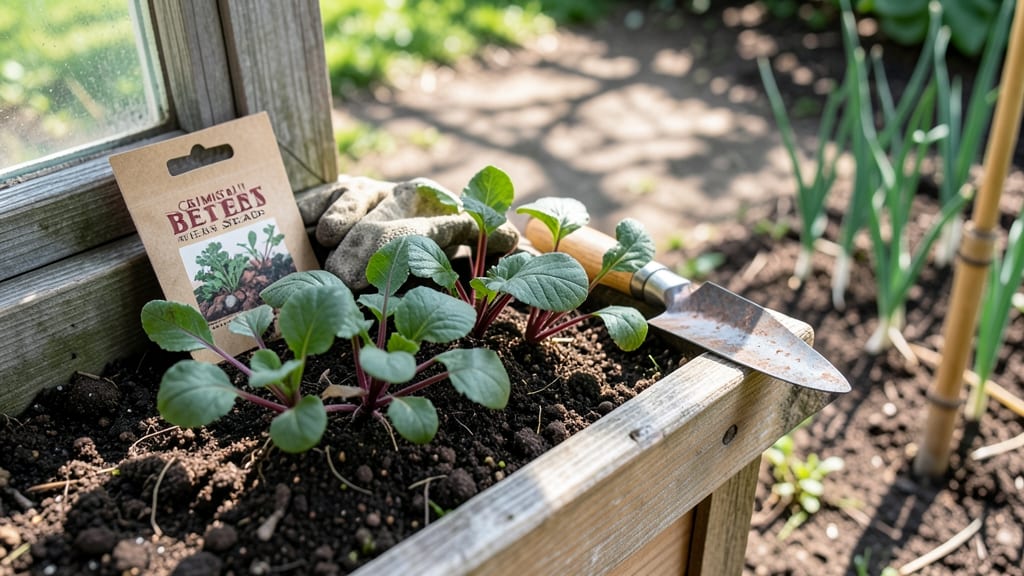
Knowing when to plant beets in Zone 8b can turn your garden into a sweet, earthy harvest—if you time it right. The difference between tender, juicy 🍠 roots and tough, bitter failures often comes down to planting windows that match your local climate.
In Zone 8b, where mild winters and warm summers create unique challenges, getting the timing perfect is the key to success.
Spring planting kicks off in late winter, as soon as soil temperatures rise above 50°F—typically around February or early March. This early start gives your beets plenty of time to mature before summer heat sets in.
But don’t stop there: fall planting in August or September can extend your harvest well into November, avoiding the woody texture that comes with hot weather.
What makes Zone 8b special? Unlike cooler climates, the risk of bolting (going to seed) increases when temperatures climb above 80°F. That’s why spacing out plantings and choosing heat-tolerant varieties becomes a game-changer.
I’ll walk you through the exact calendar, soil prep tips, and variety recommendations to ensure your beets stay sweet and your garden thrives.
Ready to skip the guesswork? Let’s break down the best planting dates, seasonal adjustments, and pro tips to guarantee a bumper crop of beets—no matter what Zone 8b throws your way.
Optimal beet planting dates in Zone 8b: spring vs fall calendar breakdown
In Zone 8b, where winters are mild and summers can be hot, timing your beet planting is everything. Plant too early, and you risk bolting from heat stress. Plant too late, and your harvest may suffer from woody roots.
The key is understanding your last frost date—typically around January 15—and leveraging both spring and fall planting windows for continuous harvests.
For spring plantings, aim to sow seeds 4-6 weeks before your last frost, usually in February or early March.
This gives seedlings enough time to establish before soil temperatures rise. Fall plantings, on the other hand, should start 8-10 weeks before your first frost (around August 15-September 15), ensuring roots mature before winter sets in.
Here’s the breakdown of your planting windows, including soil temperature requirements and ideal germination periods:
| Season | Planting Window | Soil Temp (°F) | Germination Time | Harvest Window |
|---|---|---|---|---|
| Spring | February 15 - March 15 | 50-70°F | 5-14 days | April - June |
| Fall | August 15 - September 15 | 60-75°F | 7-10 days | October - November |
Spring plantings thrive when soil temperatures hover between 50-70°F, while fall plantings benefit from slightly warmer soil (60-75°F) to encourage faster germination. Succession planting every 2 weeks in spring and every 3 weeks in fall ensures a steady supply of fresh beets.
Pro tip: Use a soil thermometer to monitor temperatures, especially in early spring or late fall. Beets germinate best when soil is consistently above 50°F—any cooler, and germination slows dramatically. If your soil runs cold, consider using black plastic mulch to warm it up faster.
For fall harvests, prioritize varieties with shorter maturity times (50-60 days) to avoid the first frost. Detroit Dark Red and Golden Beets are excellent choices for Zone 8b’s fall garden, as they tolerate cooler temperatures better than heat-sensitive types like Chioggia.
Remember, beets are cool-season crops, so they’ll bolt (go to seed) if exposed to prolonged heat above 80°F. In Zone 8b, this means avoiding summer plantings unless you’re using shade cloth or succession sowing in late summer for a fall harvest.
Plan ahead by marking your last frost date and counting backward. For spring, aim to have seedlings ready by March 1, and for fall, start seeds indoors in July to transplant outdoors by August 15. This timing ensures you’ll enjoy sweet, tender beets all season long.
🌱
Optimal beet planting dates in Zone 8b: spring vs fall calendar breakdown
Zone 8b’s mild winters and hot summers create a unique window for growing beets. Unlike colder zones, you can plant twice a year—spring and fall—for two harvests.
The key is timing your plantings to avoid bolting (flowering prematurely) and heat stress. Let’s break down the exact months and soil conditions for success.
In Zone 8b, your last frost date typically falls around January 15, while the first frost arrives near December 15. This gives you a 240-day frost-free period, perfect for two beet plantings.
Spring plantings should start 4-6 weeks before your last frost, while fall plantings need to finish harvesting 6-8 weeks before the first frost.
Spring Planting: Begin sowing beet seeds in late February to early March for early spring harvests. Ideal soil temperatures for germination are 50-70°F. By planting in March, you’ll harvest tender roots in April-June before summer heat sets in. For a second spring crop, sow again in late April to early May for harvests in June-July.
📅 Zone 8b Beet Planting Calendar
| Season | Planting Window | Soil Temp (°F) | Harvest Window | Key Tip |
|---|---|---|---|---|
| Spring | Late Feb - Early Mar | 50-70°F | April - June | Use row covers for early plantings |
| Spring | Late Apr - Early May | 60-75°F | June - July | Provide afternoon shade in June |
| Fall | Mid-Aug - Early Sep | 60-75°F | Oct - Nov | Choose heat-tolerant varieties |
| Fall | Late Sep | 50-65°F | Nov - Dec | Mulch heavily to extend harvest |
For fall plantings, start sowing in mid-August to early September for harvests in October-November. This timing avoids the hottest summer months when beets tend to bolt.
A second fall crop can be planted in late September for a winter harvest before frost, though growth will slow as temperatures drop.
Pro tip: Use succession planting every 2-3 weeks during your planting windows to ensure a continuous harvest. For example, sow a new row in March, another in April, and one more in August to stretch your harvest season.
This method also reduces the risk of pest pressure and disease affecting all plants at once.
Always test your soil temperature before planting—beets need consistent moisture and won’t germinate well in cold, damp soil. Aim for 60-75°F soil temps for best results. If your soil is too cold, wait a few more weeks or use a seedling heat mat to speed up germination.
With these precise planting dates, you’ll enjoy sweet, tender beets twice a year in Zone 8b—no bitter, woody disappointments here! 🍠