
Plants
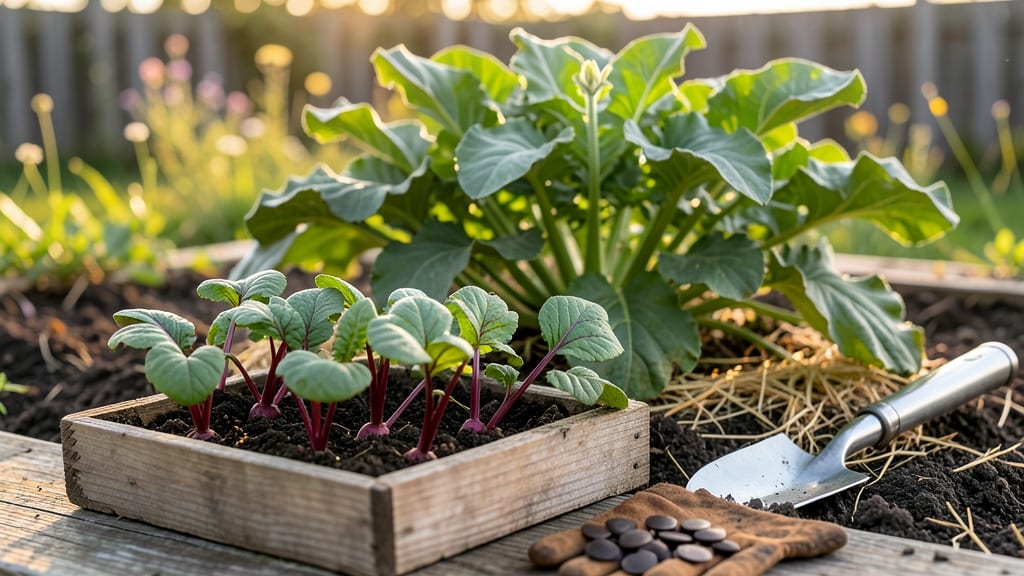
Knowing when to plant beets in Arkansas could mean the difference between a bountiful harvest and wasted effort—especially when you consider the state’s unpredictable swings from frost to scorching heat. 🍠 With the right timing, you’ll grow sweet, tender roots; get it wrong, and you’ll end up with bitter, bolted greens before they even reach maturity.
Arkansas gardeners in zones 7a-8a have two prime windows: early spring (March) and late summer (August), but the devil’s in the details. Soil temperature, microclimates, and even your local last frost date can shift the ideal planting window by weeks.
I’ll break down exactly when to start seeds, how to avoid bolting in summer heat, and why fall plantings often yield sweeter roots than spring.
Whether you’re a seasoned gardener or just starting, timing is everything. Miss the mark, and you’ll spend summer chasing shade or fall scrambling to beat frost. Let’s cut through the guesswork so you can enjoy homegrown beets from June through October—without the stress.
You’ll leave here knowing not just when to plant, but how to adjust for Arkansas’s humidity, heat zones, and even city-specific quirks like Little Rock’s urban heat island effect. Ready to turn your garden into a beet powerhouse?
Arkansas beet planting zones: when to start seeds by microclimate heat Zone
Arkansas spans USDA Hardiness Zones 6-8, creating unique challenges for beet growers.
In Zone 6a (northern Arkansas), like in Bentonville or Fayetteville, last frost dates hover around March 15-25, while Zone 8a (southern Arkansas), such as El Dorado or Texarkana, sees frost as late as February 1-15.
These differences mean your planting window can shift by 4-6 weeks depending on where you garden.
Beets thrive in soil temperatures between 50°F and 85°F. In Arkansas, soil warms slowly in spring, so wait until after the last frost and when soil reaches at least 50°F—typically mid-March to early April in most regions.
For fall plantings, aim to sow seeds 8-10 weeks before the first frost, usually late July to early August.
Here’s how to align your planting with Arkansas’s microclimate heat zones for maximum success:
| Zone | Last Frost | Spring Planting | Fall Planting | Soil Temp Goal |
|---|---|---|---|---|
| 6a (Bentonville, Fayetteville) | March 15-25 | March 25-April 15 | July 20-August 10 | 50°F+ |
| 7a (Little Rock, Hot Springs) | March 1-15 | March 15-April 5 | July 30-August 15 | 50°F+ |
| 8a (El Dorado, Texarkana) | February 1-15 | February 20-March 10 | August 1-15 | 55°F+ |
🌱 Planting Tip: Use a soil thermometer to confirm readiness—beets won’t germinate well in cold soil.
For northern Arkansas gardeners, like those in Fayetteville, I recommend starting seeds indoors 4-6 weeks before the last frost (around February 15) for an earlier harvest. Transplant seedlings outdoors after April 1, once nighttime temperatures stay above 40°F.
In southern Arkansas, like El Dorado, you can sow seeds directly outdoors as early as February 20 if soil is workable.
Arkansas’s humid summers can stress beets, so fall plantings often yield sweeter, tender roots than spring. However, succession planting every 2 weeks in spring can extend your harvest window.
For example, in Little Rock (Zone 7a), sow seeds on March 15, April 1, and April 15 to stagger maturity and avoid bolting.
One common mistake Arkansas gardeners make is planting beets too early in hopes of an earlier harvest. Cold soil and frost will stunt germination or kill seedlings.
Always check your local frost dates (use the Arkansas Climate Office as a resource) and wait until soil is consistently above 50°F before sowing.
In urban areas like Little Rock, where microclimates can vary by neighborhood, observe your garden’s specific conditions. If your yard is in a heat pocket (common in paved cities), you may need to plant slightly earlier to avoid summer heat stress.
Conversely, shaded or windy spots might require delayed planting to prevent bolting.
For container gardening, which is popular in Arkansas’s limited-space urban gardens, use 5-gallon pots or larger to accommodate beet roots. Plant seeds 1-2 weeks earlier than outdoor plantings since containers warm faster.
In Zone 8a, this could mean sowing as early as February 1 for a March harvest.
Remember, Arkansas’s heat and humidity can push beets to bolt quickly. If you’re in Zone 7b or 8a, focus on fall plantings for the best results. For spring, choose bolt-resistant varieties like ‘Detroit Dark Red’ or ‘Golden’, and provide afternoon shade during peak summer months to delay flowering.
Bolt-proof beet planting: how to avoid early flowering in Arkansas’s summer heat
Arkansas’s summer heat is notorious for causing beets to bolt prematurely, turning sweet roots into bitter, leafy stalks before harvest. The key to success? Strategic timing and a few simple tricks to keep your plants cool and happy.
I’ve grown beets in USDA Zones 7a-8a for years, and these methods have saved my harvests time and again.
First, choose heat-tolerant varieties like ‘Detroit Dark Red’ or ‘Chioggia’—they handle Arkansas’s humidity better than delicate types. Pair that with succession planting every 2-3 weeks from March to August to stagger maturity and avoid peak heat stress. This way, you’re always harvesting young, tender roots when temperatures dip slightly.
🌡️ 5 Bolt-Proof Beet Strategies for Arkansas
- Shade cloth (30-50%): Use during June-August to block 30% of sunlight and lower soil temps by 10°F.
- Deep watering: Soak roots 1 inch/week to prevent stress-induced bolting. Morning watering is key!
- Succession plant: Sow every 2-3 weeks from March to August for continuous harvests.
- Mulch heavily: Use 2-3 inches of straw to keep soil cool and retain moisture.
- Harvest young: Pull beets when 1-2 inches wide to avoid heat exposure.
Don’t overlook soil moisture—consistent watering is critical. Arkansas’s humid summers can fool gardeners into thinking plants are hydrated, but drought stress triggers bolting faster than you’d think.
Stick your finger 1 inch into soil; if it’s dry, water deeply. A drip irrigation system on a timer eliminates guesswork and keeps roots evenly moist.
For late-summer plantings (August-September), focus on fall harvests before the first frost. Choose quick-maturing varieties (50-55 days) like ‘Babybeat’ or ‘Cylindra’ to beat the heat. These types tolerate 85°F+ temps better than standard beets and still deliver sweet, tender roots.
Pro tip: Interplant beets with radishes or lettuce—the shade from taller plants like corn or pole beans can protect beet seedlings from intense afternoon sun. Just ensure your companions don’t compete for nutrients, and you’ll have a thriving, bolt-free patch all season long.
If you’ve ever watched your beets send up flower stalks before harvest, you know the frustration. But with these heat-defying tactics, you’ll turn Arkansas’s summer challenges into a bountiful, stress-free harvest. 🌱