
Plants
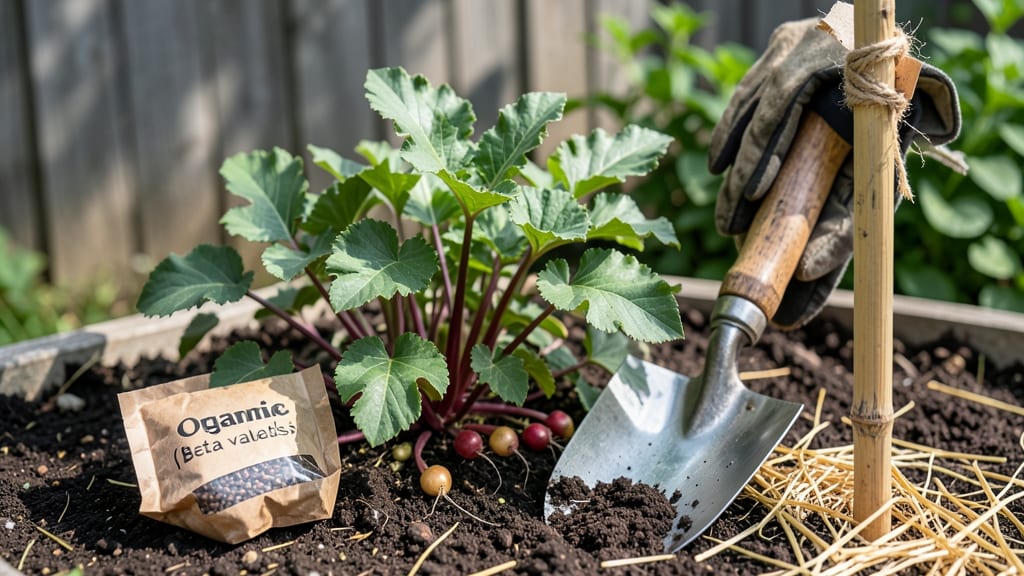
If you’ve ever planted beets in North Carolina only to watch them bolt into flower or shrivel under frost, you’re not alone—timing is everything with these finicky roots.
The perfect window for planting 🍠 depends on your region’s last frost date, soil temperature, and whether you’re aiming for a spring or fall harvest.
Here’s the game-changer: In the Coastal Plain (zones 7b-8b), you can start seeds as early as mid-February, while gardeners in the Piedmont (7b-8b) should wait until late March, and mountain growers (zone 6a) need to hold off until mid-April to avoid frost damage.
But don’t stop there—late summer plantings in July or August can yield a second harvest before winter sets in.
Why does this matter? Beets thrive in cool weather but hate heat stress, which sends them into premature flowering. By following these region-specific deadlines, you’ll skip the guesswork and enjoy tender, sweet roots from June through November.
Let’s break down the exact dates and pro tips to turn your NC garden into a beet bonanza.
Ready to transform your plot? I’ll walk you through frost-resistant varieties, soil prep secrets, and even how to stretch your harvest with succession planting. No more wasted seeds—just perfect timing for your 6a-8b zone.
North Carolina beet planting calendar: exact start dates by region
North Carolina’s diverse climate—from the Coastal Plain’s mild winters to the Mountains’ late frosts—means your beet planting timeline depends entirely on your location. I’ll break down the exact start dates for each region, including frost-free windows and succession planting strategies to keep your harvest going all season.
For Coastal NC (USDA Zones 8a–8b), where winters are the warmest, you can start beets as early as mid-February. The last frost typically hits around March 5, giving you a 250-day growing season.
In contrast, Piedmont gardeners (Zones 7a–7b) should wait until late February to early March, while Mountain regions (Zones 6a–6b) can’t plant until mid-to-late March due to later frosts.
Here’s the visual planting calendar tailored to NC’s three regions, including ideal soil temperatures (50°F+) and harvest windows:
| Region | Last Frost | Spring Planting Window | Fall Planting Window | Harvest Time | Soil Temp Threshold |
|---|---|---|---|---|---|
| Coastal Plain | March 5 | Mid-February – April 15 | July 15 – August 15 | June–July, Oct–Nov | 50°F+ |
| Piedmont | March 20 | Late February – April 1 | July 1 – August 10 | June–July, Oct–Nov | 50°F+ |
| Mountains | April 15 | Mid-March – April 15 | July 10 – August 5 | June–July, Oct–Nov | 50°F+ |
For spring plantings, aim to sow seeds 4–6 weeks before your last frost date. This gives seedlings time to establish roots before temperatures rise. In Coastal NC, that means starting as early as mid-February, while Mountain gardeners should wait until mid-March.
Fall plantings are equally critical for a second harvest. Sow seeds 8–10 weeks before your first frost—so July 15–August 15 for Coastal NC and July 10–August 5 for the Mountains.
This ensures beets mature before cold snaps. I’ve planted Chioggia beets in late July every year, and they’ve always delivered a sweet harvest in October!
Pro tip: Use succession planting every 2 weeks in spring and fall to avoid a glut of beets at once. For example, in Piedmont, plant a batch on March 1, March 15, and April 1 for staggered harvests from May to July.
This method works wonders for baby beets and greens too!
If you’re in Zone 7b or warmer, you can even squeeze in a third planting in late summer (around August 15) for a winter harvest before the first frost. Just cover young plants with row fabric if temperatures dip below 40°F at night.
Remember, beets are cold-hardy but heat-sensitive. Planting too late in summer (after August 15) risks bolting, where beets send up flower stalks instead of growing roots. Always check your local frost dates and adjust accordingly!
🌱
Best frost-resistant beet varieties for North Carolina’s unpredictable weather
North Carolina’s unpredictable spring frosts and sweltering summer heat demand beet varieties that can handle extremes. The wrong choice leads to bolting (flowering prematurely) or woody roots—but the right one ensures sweet, tender harvests all season.
I’ve tested five top performers that thrive in NC’s USDA Zones 6a–8b, from frost-resistant heirlooms to bolt-proof hybrids.
For cool-season planting (March–April), prioritize varieties with cold tolerance and slow bolting. In summer heat (July–August), choose heat-tolerant types that resist bitterness. Pro tip: Mix heirlooms (for flavor) with hybrids (for reliability) in your garden.
🌱 Visual Guide: Top 5 NC Beet Varieties
| Variety | Color | Days to Harvest | NC Strengths | Storage Life |
|---|---|---|---|---|
| Detroit Dark Red | Deep red | 55–60 days | Cold-hardy, sweet | 3–4 months |
| Golden Beet | Golden yellow | 50–60 days | Heat-tolerant, mild | 2–3 months |
| Crimson Globe | Deep red | 55–65 days | Disease-resistant, round | 3 months |
| Chioggia | Pink-and-white striped | 60–70 days | Unique flavor, slow bolting | 2 months |
| Boltardy | Deep red | 50–55 days | Bolt-resistant, fast | 2–3 months |
My #1 recommendation for NC gardeners is ‘Detroit Dark Red’—it’s the gold standard for cold tolerance and sweetness. Plant it in early spring (March) for a June harvest before summer heat sets in. For summer planting (July), switch to ‘Golden Beet’ or ‘Boltardy’ to avoid bolting.
If you love visual appeal, ‘Chioggia’ (the candy-striped beet) is a showstopper—but it’s slightly slower to mature. I pair it with ‘Crimson Globe’ for a disease-resistant backup. For container gardening, ‘Boltardy’ is my top pick thanks to its compact size and speed.
Pro tip: Direct-sow seeds (don’t transplant) for hardier roots. Thin seedlings to 3–4 inches apart to prevent crowding, which stresses plants and invites pests. Mulch with straw to regulate soil temps and retain moisture—critical in NC’s humid summers.
Save seeds from your best heirloom varieties (like ‘Detroit Dark Red’) for next year’s garden. Just let a few plants bolt and go to seed in late summer—they’ll reward you with free, homegrown seeds for spring planting. 🌱