
Companion Plants
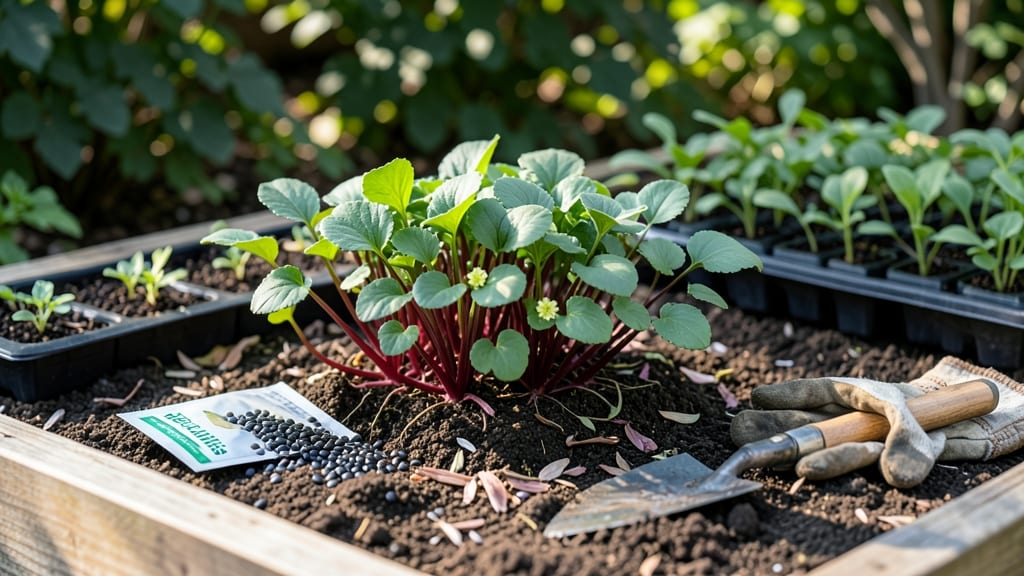
Knowing when to plant beets in Zone 7 is the difference between sweet, crisp harvests and bitter, tough roots—because timing matters more than you think. 🍠 These cool-weather lovers bolt when temperatures climb, and in Zone 7, that means missing the window can leave you with disappointment instead of dinner.
Most gardeners in Zone 7 get it wrong by planting too late in spring or too early in fall, both of which risk bolting or stunted growth.
The key is working with your last frost date (around March 15 in most of Zone 7) and planning for a second fall crop when nights cool down again.
In this guide, I’ll break down the exact weeks before your last frost to sow seeds, plus how to stretch your growing season with row covers for a second fall harvest.
You’ll also learn which beet varieties handle Zone 7’s heat best and how to avoid common pitfalls like premature bolting.
Whether you’re a first-time gardener or a seasoned pro, these tips will help you grow beets that are tender, flavorful, and ready to harvest at the perfect time—no guesswork required.
Best planting weeks for beets in Zone 7 before and after frost
In Zone 7, beets love the cool spring and fall weather but bolt (go to seed) when temperatures rise. The ideal planting window is 4-6 weeks before your last frost (typically late February to early April) and again in late summer (July-August) for a fall harvest.
Timing is everything—plant too early, and you risk frost damage; too late, and your beets turn bitter.
Zone 7’s last frost date varies by location—Richmond averages March 15, while Atlanta leans toward March 20. For crisp, sweet roots, aim to plant when soil temperatures reach 45°F (7°C) but don’t exceed 75°F (24°C).
Use a soil thermometer to check, or wait until daytime highs stay below 70°F (21°C).
🌱 Zone 7 Beet Planting Timeline
| Season | Planting Window | Soil Temp | Harvest Time |
|---|---|---|---|
| Spring | Late Feb–Early April | 45–65°F (7–18°C) | June–July |
| Fall | Late July–Early Aug | 50–70°F (10–21°C) | Oct–Nov |
⚠️ Pro Tip: Use row covers to extend spring planting into early May if nights stay cool.
For a continuous harvest, practice succession planting every 2 weeks in spring and fall. Sow small batches (like 10 seeds) to ensure a steady supply. In Zone 7’s heat, beets planted after mid-May often bolt quickly—opt for shade cloth if you must plant later.
If your last frost date is earlier (e.g., March 1 in northern Zone 7), start seeds indoors 4 weeks before transplanting outdoors. Harden off seedlings for 7–10 days before moving them to the garden. This trick works well for Detroit Dark Red, a cold-hardy variety that tolerates light frosts.
In southern Zone 7 (e.g., Birmingham), heat arrives earlier—plant fall beets by July 15 to avoid summer stress. Choose bolting-resistant varieties like ‘Cylindra’ for extended harvests. Always water deeply during dry spells to prevent woody roots.
Watch for soil warmth cues: Beets grow best when soil stays below 75°F (24°C). Use mulch to keep roots cool. If temperatures climb, harvest smaller roots (1–2 inches) faster—they’ll stay tender even in heat.
For fall planting, aim to harvest before first frost (usually mid-November). If frosts arrive early, protect plants with row covers or move pots indoors. Beets taste sweeter after light frost, but avoid heavy freezes.
Remember: Zone 7’s microclimates matter. Urban areas may warm faster than rural spots. Check your local weather station for 10-year averages—they’re more accurate than general zone guidelines.
Start with 3–4 seeds per spot, thin to 3 inches apart when seedlings have 2 true leaves. This spacing prevents crowding and ensures large, tender roots. Happy planting—your crisp beets are just weeks away! 🌱
Best planting weeks for beets in Zone 7 before and after frost
In Zone 7, beets love the cool spring and fall seasons, but timing is everything. Plant too early, and you risk bolting (going to seed) from warm soil. Too late, and your harvests shrink before frost hits.
For most of Zone 7—think Atlanta, Richmond, or Raleigh—your last frost date typically lands around March 15, while the first frost arrives near November 15. This gives you two prime planting windows: early spring and late summer.
For spring plantings, aim to sow seeds 4-6 weeks before your last frost date. In Zone 7, that means mid-February to early March. Soil temperatures should ideally stay between 50°F and 75°F for optimal germination.
If your soil warms too quickly, use shade cloth or plant in partial shade to delay bolting.
🌱 Zone 7 Beet Planting Guide
| Season | Planting Window | Soil Temp | Harvest Window |
|---|---|---|---|
| Spring | Mid-February to early March | 50°F–75°F | June–August |
| Fall | Late July–early August | 60°F–70°F | October–November |
For fall plantings, start seeds 8-10 weeks before your first frost, which in Zone 7 translates to late July or early August. This gives beets enough time to mature before temperatures dip.
Use row covers in September to extend the season and protect young plants from early frosts.
If you’re in a warmer microclimate (like northern Georgia), push spring planting to late March to avoid bolting. Conversely, in cooler areas (like western North Carolina), start as early as February for a head start.
Always check your local frost dates—they can vary by 1-2 weeks even within Zone 7.
Pro tip: Succession plant every 2 weeks in spring and fall to ensure a continuous harvest. Sow a few seeds every 10-14 days until mid-May for spring or mid-September for fall. This keeps your kitchen stocked with sweet, tender beets all season long.
Remember, soil temperature matters more than air temperature. Use a soil thermometer to confirm conditions—beets won’t germinate well in cold soil (below 50°F). If your soil is too cool, wait a week or two for warmer conditions before planting.