
Companion Plants
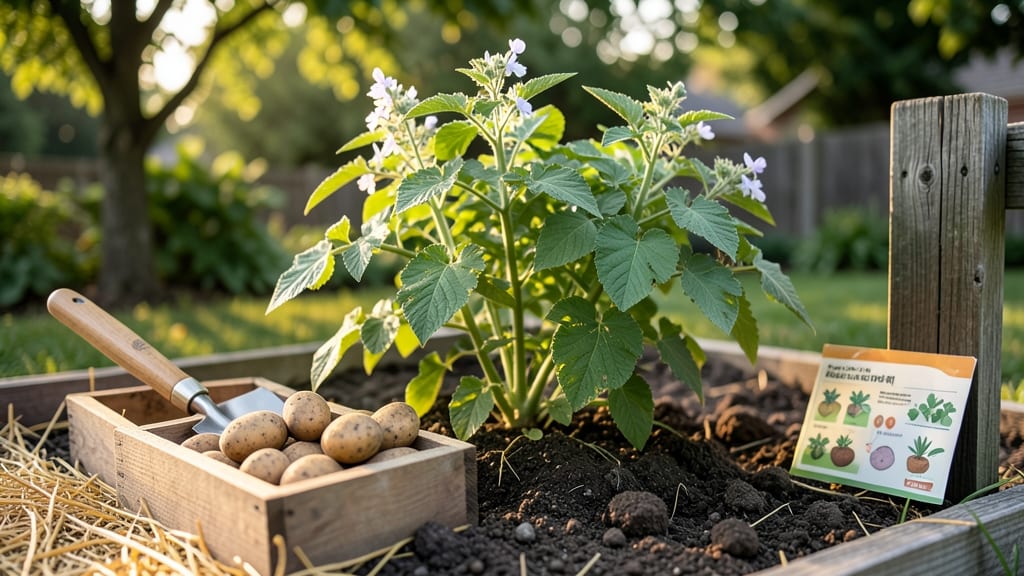
When should I plant potatoes in Zone 6? Timing your potato planting in this zone could mean the difference between a garden full of bitter tubers and a harvest of sweet, crisp 🥔 perfection. Getting the window right—4-6 weeks before your last frost—isn’t just about avoiding frost damage; it’s about preventing bolting, a common Zone 6 pitfall that turns your potatoes into bitter, inedible messes.
Here’s the truth: Zone 6’s unpredictable spring weather makes this the most critical factor for success. Plant too early, and your potatoes will bolt (sprout flowers) before they even form tubers.
Plant too late, and you risk stunted growth or even no harvest at all. The key is balancing soil temperature—45°F or warmer—with your local frost dates.
I’ve grown potatoes in Zone 6 for years, and I’ll show you exactly how to nail the timing—whether you’re planting in early spring or even late winter if your soil is workable.
We’ll cover soil prep, variety choices, and the one trick to keep your potatoes from bolting, even in Zone 6’s warm-up spells.
Ready to turn your potato patch into a zero-bolt, high-yield success? Let’s get into the exact steps that’ll have you digging up perfect spuds by mid-summer.
Zone 6 potato planting timeline: exact weeks before last frost for best results
In Zone 6, timing your potato planting is everything—plant too early, and you risk bolting (premature flowering); too late, and your harvest shrinks. The ideal window is 4-6 weeks before your last frost date, which typically lands in mid-March to early April for most of Zone 6.
For example, if your last frost is April 15th, aim to plant by March 15th to give tubers time to mature before summer heat sets in.
Soil temperature is just as critical as calendar dates. Potatoes need soil that’s at least 45°F (7°C) for germination. In Zone 6, this usually aligns with late March to early April, but cooler microclimates (like shaded areas) may need a 2-3 week delay.
Use a soil thermometer to confirm—if it’s below 45°F, wait another week.
Here’s the golden rule: plant when you can work the soil but still have 100-120 frost-free days until your first fall frost. Zone 6’s growing season averages 165 frost-free days, so you’ve got flexibility for early, mid, and late-season varieties.
Staggering plantings by 2-3 weeks lets you harvest continuously from mid-July to September.
Pro tip: If you’re in Zone 6a (colder microclimates like northern Ohio or upstate New York), err on the side of planting earlier (late February to early March) to maximize your short growing season.
For Zone 6b (warmer areas like central Virginia or Missouri), you can push planting to early April without risking bolting.
Ever wonder why some gardeners plant potatoes in fall? While possible in Zone 6, it’s risky—your tubers need 60-80 days of growth before the first frost. Only attempt a late summer/early fall planting (August) if you’re using early-maturing varieties (like 'Early Girl') and have a long fall.
Most Zone 6 gardeners stick to spring planting for reliability.
One common mistake? Planting when the soil is still cold but the calendar says it’s time. Always check soil temperature—if it’s below 45°F, your seed potatoes will rot before sprouting.
A simple trick: bury a thermometer in the soil where you’ll plant. If it’s below 50°F (10°C), wait another week.
For container growers in Zone 6, the timeline shifts slightly. Use large pots (18"+ deep) and plant 2-3 weeks later than in-ground potatoes. Containers warm up faster, but they also dry out quicker—so monitor moisture closely. Aim to plant by late March to early April for containers, too.
Lastly, don’t forget about regional frost variations. Cities like Chicago (Zone 5b) can have later frosts, while Atlanta (Zone 7a) might see earlier springs. Check your local cooperative extension service for precise frost dates—your county’s data is more accurate than generic Zone 6 averages.
Timing your potato planting in Zone 6 boils down to this: plant when soil is workable and warm, give tubers 100+ frost-free days, and avoid heat stress by harvesting before July. Follow this timeline, and you’ll enjoy buttery, bolting-free potatoes all summer long. 🥔
Zone 6 potato planting timeline: exact weeks before last frost for best results
Timing your potato planting in Zone 6 is all about balancing soil warmth and frost risk. The ideal window is 4-6 weeks before your last frost date, which typically falls around mid-April in most of Zone 6.
Planting too early risks frost damage, while waiting too long can trigger bolting—when potatoes flower prematurely and produce bitter tubers.
For Zone 6a (colder microclimates), aim for late March to early April. In Zone 6b (warmer areas), you can start as early as mid-March. Always check your local USDA frost calendar—even a few degrees difference can shift your planting window by weeks.
| Planting Stage | Zone 6a Timeline | Zone 6b Timeline | Soil Temp Requirement |
|---|---|---|---|
| Pre-Chit Seed Potatoes | Late February | Early February | 50-55°F (10-13°C) |
| Plant Seed Potatoes | Late March - Early April | Mid-March | 45-50°F (7-10°C) minimum |
| Germination | 2-4 weeks | 2-3 weeks | 50-60°F (10-15°C) ideal |
| Harvest Window | Late June - August | Late June - August | N/A |
🌱 Pro Tip: Use a soil thermometer to confirm temps—wait until soil reaches 45°F (7°C) before planting.
If you’re in a warmer microclimate within Zone 6, you can experiment with late-winter planting (February) by using black plastic mulch to warm the soil faster. However, this requires row covers to protect against unexpected late frosts.
For most gardeners, sticking to the 4-6 week rule before last frost is the safest bet.
Another key factor is soil moisture. Plant in well-draining soil that’s moist but not soggy—potatoes rot in waterlogged conditions. After planting, keep the soil consistently moist (about 1-2 inches of water per week) until harvest. Mulching with straw or grass clippings helps maintain even moisture and suppresses weeds.
For continuous harvests, stagger your planting by 2-3 weeks. Plant early varieties (like 'Early Girl') first, followed by mid-season ('Kennebec') and late-season ('Russet') types. This ensures you have potatoes ready from mid-July through August, just in time for fresh meals and storage.
Remember, Zone 6’s short growing season means every day counts. By planting at the right time and monitoring soil conditions, you’ll avoid the heartbreak of bolting potatoes and enjoy a bountiful, flavorful harvest all summer long. 🥔