
Companion Plants
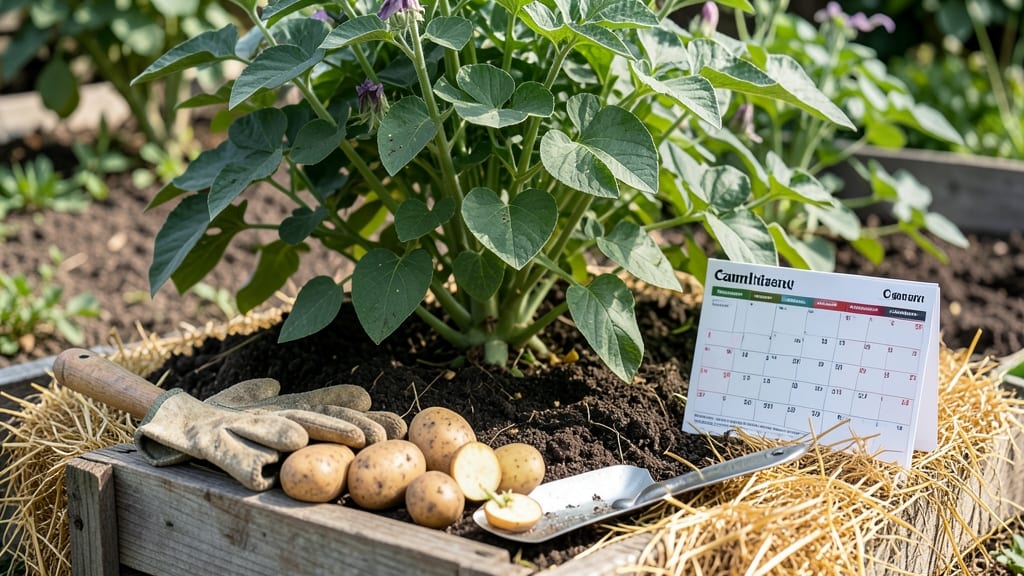
Planting your 🥔 potatoes at the wrong time in Zone 5 could mean the difference between a garden full of thriving spuds and a sad, frost-nipped disappointment.
The key isn't just throwing them in the ground when it feels like spring—it's understanding your local frost dates and soil temperatures to give your potatoes the perfect start.
In Zone 5, where winters linger and springs can be unpredictable, timing matters more than you might think. You'll want to plant those seed potatoes 2-4 weeks before your last expected frost, but there's more to it than just counting weeks.
Soil temperature, variety selection, and even a little prep work can make all the difference in your harvest.
Whether you're a first-time gardener or a seasoned pro, I'll walk you through exactly when to plant for maximum yield, how to adjust for Zone 5's quirky weather, and which potato varieties thrive best in your climate. Let's get those spuds growing right!
By the end, you'll know not just when to plant, but how to set yourself up for success—so you can enjoy homegrown potatoes all summer long. Ready to dig in?
Zone 5 potato planting calendar: exact weeks before last frost for best results
In Zone 5, where last frost typically hits around April 15, timing your potato planting is critical. Plant too early, and cold soil can stunt growth; too late, and you risk missing the 70-120 day harvest window.
My strategy? Aim for 2-4 weeks before the last frost, but with flexibility for your local microclimate.
For most of Zone 5, this means starting seed potatoes in early March (late February in warmer microclimates) and completing planting by mid-April. Early varieties can handle cooler soils, while late varieties need warmer conditions.
I’ve found that chitting potatoes (pre-sprouting in light) gives them a head start in cold springs.
Here’s my Zone 5 potato planting timeline based on average frost dates and soil temperatures:
| Planting Window | Soil Temp | Varieties to Plant | Action Steps |
|---|---|---|---|
| Late February - Early March | 40-45°F (chitting only) | Early varieties (Yukon Gold, Red Norland) | Start chitting seed potatoes in light |
| Early March - Mid-April | 45-50°F (planting) | Mid-season (Kennebec, Russet) | Plant 4" deep, 12" apart; mulch with straw |
| Mid-April - Early May | 50-55°F (ideal) | Late varieties (Purple Viking) | Plant with row covers for frost protection |
| Late May (succession) | 55°F+ | All varieties | Plant for fall harvest; hill soil as plants grow |
Pro tip: Use a soil thermometer to confirm soil temps are above 45°F before planting. Cold soil slows germination, and potatoes won’t sprout until conditions warm up. I’ve had years where late April frosts delayed planting, so I always keep a backup batch of seed potatoes chitted and ready.
For early varieties, you can even plant as soon as soil is workable in late February under protection (like a cold frame). These fast growers (60-90 days) give you a jump on the season.
Meanwhile, late varieties planted in May will mature just before the first frost in October, extending your harvest window.
Remember: Zone 5’s unpredictable spring means flexibility is key. If your area has a history of late frosts, err on the side of planting later or use row covers for the first few weeks. The goal is to have tuber formation (not just foliage) established before summer heat sets in.
Once planted, maintain consistent moisture and watch for blossoms—this signals tuber development is underway. I’ll cover frost protection methods and variety selection in the next sections, but for now, mark your calendar for March 15 as your target start date—adjust based on your local frost history.
🌱
Zone 5 potato planting calendar: exact weeks before last frost for best results
In Zone 5, potatoes thrive when planted at the perfect moment—typically 2-4 weeks before your last expected frost date. For most of Zone 5, this lands in late March to early April, but your exact timing depends on your local microclimate.
Cold snaps can delay planting, while early warm spells might tempt you to start sooner.
Potatoes need 45-60 days of warm soil (above 45°F) to sprout consistently. If your soil stays cold, your tubers will rot before sprouting. Use a soil thermometer to confirm readiness—plant only when temps stabilize above 40°F.
| Stage | Action | Zone 5 Timeline |
|---|---|---|
| Prep Soil | Add compost, loosen soil to 12" deep | Late February - Early March |
| Chit Seed Potatoes | Expose to light for 2-4 weeks | Mid-March |
| Plant Early Varieties | 4" deep, 12" apart (cold-hardy types) | Late March - Early April |
| Plant Mid-Late Varieties | After last frost, soil 50°F+ | Mid-April - Early May |
| Harvest Early Potatoes | When flowers appear (new potatoes) | Late June - Early July |
| Harvest Main Crop | After foliage dies back | Late August - September |
For early varieties like Red Norland, plant as soon as soil is workable—even if frost lingers. Mid-season types (e.g., Yukon Gold) wait until 2 weeks after last frost to avoid rot. Always check your local USDA Plant Hardiness Zone Map for precise frost dates.
If you miss the spring window, Zone 5 allows one fall planting in late July to early August for fast-maturing varieties (e.g., Early Girl). Use black plastic mulch to warm soil and extend the season by 2-3 weeks.
Pro tip: Mark your calendar for April 15 (average last frost in Zone 5) and count backward. Planting 3 weeks before ensures tubers establish roots before warm soil arrives—critical for avoiding scab disease from fluctuating temps.
Always test soil moisture before planting—damp but not soggy soil prevents rot while encouraging strong sprouts. Mulch with straw immediately after planting to insulate roots from late spring frosts.