
Plants
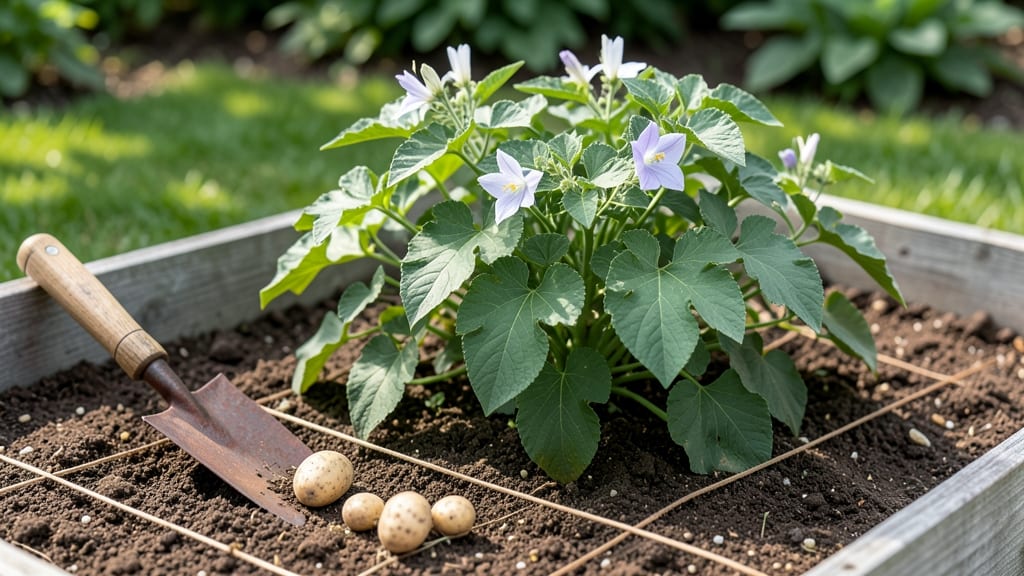
If you've ever wondered when to plant potatoes in Illinois, timing is everything—get it right, and you'll enjoy a harvest of crisp, flavorful 🥔; get it wrong, and you might end up with nothing but disappointment.
In Illinois' USDA Zones 5a-6b, where last frosts can hit as late as mid-April, planting too early risks frost damage to tender sprouts, while waiting too long cuts your growing season short.
The secret lies in knowing the exact weeks before your last frost date that work best for your chosen potato variety.
Whether you're growing Yukon Golds or Red Pontiacs, I'll break down the ideal planting windows tailored to Illinois' climate—including how to adjust for early springs or late frosts that can throw off even the best-laid plans.
Let's dive into the exact schedule that'll help you maximize your harvest, no matter where in the state you're gardening.
Illinois potato planting schedule by variety: exact weeks before last frost
Getting your potatoes in the ground at the right time in Illinois is crucial—plant too early, and frost will kill your sprouts; too late, and you’ll miss the 90- to 120-day growing window before harvest.
The key is understanding your last frost date, which varies across Illinois’ Zone 5a-6a regions, and matching it to your potato variety’s maturity timeline.
Northern Illinois (e.g., Chicago area) typically sees its last frost around April 15-30, while southern Illinois (e.g., St. Louis) averages April 1-15. For most gardeners, this means planting 2-4 weeks before the last frost—usually between mid-March and early April.
But not all potatoes are created equal: early varieties like ‘Yukon Gold’ (90 days) can handle later starts, while late varieties like ‘Russian Banana’ (120 days) need an early jumpstart.
Soil temperature is just as critical as air temperature. Potatoes won’t sprout reliably until the soil warms to at least 45°F. In cooler northern regions, this might not happen until late April, while southern areas can plant as early as mid-March.
Always check soil temps with a probe or wait until you can dig a foot deep without hitting frozen ground.
Here’s how to align your planting with Illinois’ frost-free timeline and variety needs:
For northern Illinois, aim to plant mid-April for most varieties, while southern gardeners can start as early as late March. If you’re unsure about your last frost date, use the University of Illinois Extension’s frost calculator or check local weather records.
Pro tip: Plant a mix of early and mid-season varieties to stagger your harvest and reduce waste.
One common mistake is planting too deep or too shallow. Seed potatoes should go 4-6 inches deep and 12 inches apart in rows spaced 30 inches apart. This ensures tubers form below the soil surface while allowing vines room to spread.
In cooler climates, consider using black plastic mulch to warm the soil faster and suppress weeds.
If you’re in Zone 5a (northern IL), prioritize early varieties like ‘Kennebec’ (70 days) or ‘Red LaSoda’ (80 days) to avoid late-season blight risks.
For Zone 6a (southern IL), you can afford slightly later varieties like ‘Yukon Gold’ (90 days) or even ‘Russian Banana’ (120 days) if you plant by mid-March.
Remember: Potatoes need consistent moisture but hate soggy soil. After planting, keep the soil evenly moist (about 1-2 inches of water per week) and mulch with straw to retain moisture and regulate temperature.
This is especially important in Illinois’ unpredictable spring weather, where dry spells or sudden rains can stress young plants.
For container growers, start seed potatoes indoors in late February using grow lights or a sunny windowsill. Transplant outdoors after the last frost when soil is warm. Just be prepared to harvest earlier—containers dry out faster and may limit tuber size.
Finally, mark your calendar for July-August harvests, depending on your variety. Early potatoes can be ready as soon as mid-July, while late varieties may need to wait
How to adjust planting dates for early springs or late frosts in Illinois
Illinois’ weather can be unpredictable—one year you’ll have an early spring thaw, and the next, frost lingers into May. If you planted too early and faced a surprise freeze, don’t panic.
With the right adjustments, you can still salvage your potato crop or shift your planting window to avoid future mishaps.
First, check your local last frost date from the University of Illinois Extension. Northern Illinois (Zone 5a) typically sees frost until May 10-15, while southern Illinois (Zone 6a) averages April 20-25.
If frost hits after planting, cover your potatoes immediately with row covers or straw mulch to protect tender sprouts.
For late frosts, delay planting until soil temperatures reach 45°F (7°C) at 4-inch depth. Use a soil thermometer to monitor—cold soil slows sprouting and invites rot. If you’ve already planted and frost threatens, mound extra soil or straw around the stems to insulate them.
- Blackened leaves = Mild damage (cut off leaves, leave tubers)
- Wilted stems = Severe damage (dig and check tubers)
- Soft, mushy tubers = Rot (discard immediately)
To warm cold soil faster, use black plastic mulch or compost piles near planting rows. For container-grown potatoes, move pots to a sunny, sheltered spot and cover with a cloche during cold snaps.
If your spring is unusually late, consider seed potatoes in containers—they’re easier to relocate if frost threatens.
For early springs, plant fast-maturing varieties like ‘Early Red’ (60 days) or ‘Yukon Gold’ (90 days) to maximize your short growing season. If you miss the ideal window, try fall planting (late August) for a second harvest before winter—just ensure tubers mature before first frost (mid-October).
Pro tip: Keep a planting journal to track soil temps, frost dates, and variety performance. Over time, you’ll pinpoint the perfect window for your microclimate—whether that’s late March in southern Illinois or mid-April in the north. 🌱