
Companion Plants
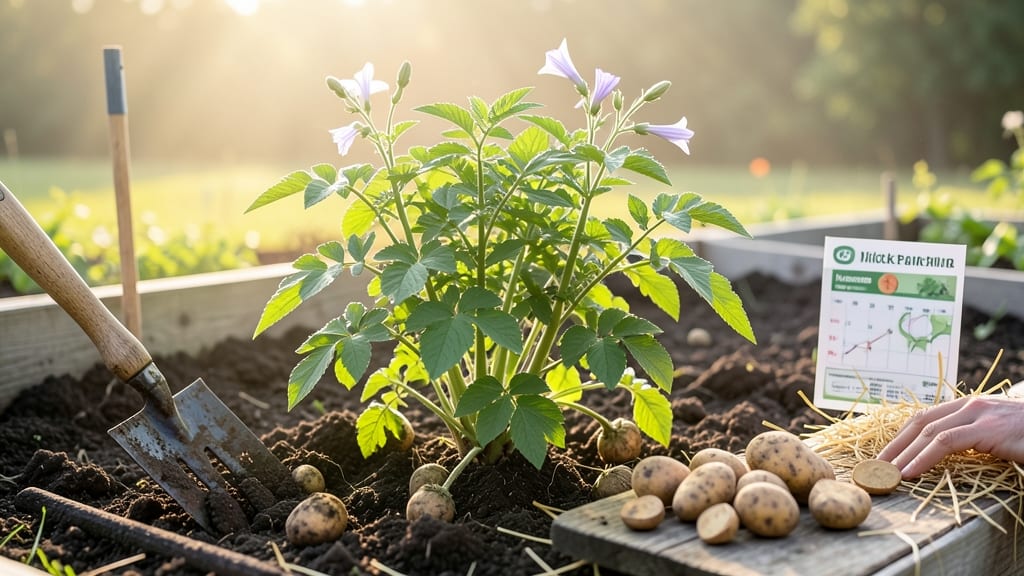
Planting potatoes in Michigan at the wrong time can mean the difference between a bountiful harvest and wasted effort—especially when frost dates vary from Zone 5b to 6b.
The key isn’t just waiting for spring; it’s timing it perfectly so your 🥔 spuds have 90-120 days to mature before winter sets in.
Most Michigan gardeners make the same mistake: rushing to plant as soon as the ground thaws, only to lose their crop to late frosts. But with the right strategy—like planting 4-6 weeks before your last frost date—you can avoid this pitfall and maximize your yield.
In this guide, I’ll break down exactly when to plant in your specific zone, how to adjust for early vs. late varieties, and the critical soil temperature that signals it’s time to get those seed potatoes in the ground.
Whether you’re a first-time grower or a seasoned gardener, these insights will help you plan with confidence and enjoy fresh, homegrown potatoes all season long.
Michigan’s last frost dates by Zone: critical weeks for potato planting
Michigan’s climate varies dramatically from the Upper Peninsula to southern Lower Michigan, with USDA zones 4-6 shaping your potato planting schedule.
The last spring frost typically arrives between April 15 and May 1, but this shifts 2-3 weeks earlier in southern zones like zone 6b and 2-3 weeks later in northern zones like zone 4a.
For a successful harvest, aim to plant 4-6 weeks before your area’s last frost date.
Potatoes thrive when soil temperatures reach 45°F (7°C), signaling it’s safe to plant. In Michigan’s short growing season, this means starting seeds indoors or using cold-hardy varieties like Yukon Gold or Kennebec for earlier planting.
Southern Michigan gardeners can push planting to early April, while northern regions should wait until late April to early May.
Here’s how Michigan’s zones break down for optimal potato planting:
| Zone | Last Frost Date | Planting Window | Harvest Window |
|---|---|---|---|
| Zone 4a (UP) | May 1-15 | April 15-May 1 | Late July-August |
| Zone 5a (Northern MI) | April 20-May 5 | April 1-May 1 | Late June-July |
| Zone 5b (Central MI) | April 15-25 | March 25-April 15 | Mid-June-July |
| Zone 6a (Southern MI) | April 1-15 | March 10-April 1 | Late May-June |
For early-season varieties like Red Norland, plant as soon as soil is workable (around 45°F). Mid-season varieties such as Russet or Kennebec thrive when planted 2-3 weeks later, while late-season varieties like Yukon Gold can handle cooler soils and extend your harvest into late summer.
Michigan’s first frost usually arrives in mid-October, but some northern areas may see frost as early as September 20. To maximize yield, choose varieties with 90-120 day maturity and plant accordingly. For example, zone 4a gardeners should stick to 90-day varieties to avoid frost damage.
Pro tip: Use a soil thermometer to confirm soil warmth before planting. Cold soil delays sprouting and invites rot diseases. If frost threatens after planting, cover seedlings with lightweight row covers or straw mulch to protect tender shoots.
In southern Michigan, where springs warm faster, you can even experiment with fall planting (late August) for a winter harvest before the ground freezes. Just ensure tubers mature before first frost—aim for 100-120 day varieties like Purple Viking for this approach.
Remember: Michigan’s variable weather means flexibility is key. Monitor local forecasts and adjust planting dates if unseasonable cold lingers. With the right timing, you’ll enjoy a bountiful potato harvest from June through October!
How to adjust planting time for early vs. late potato varieties in Michigan
Michigan’s unpredictable spring weather means choosing the right potato variety—and planting it at the perfect time—can make or break your harvest. Early varieties like Red LaSoda or Yukon Gold thrive when planted as soon as the soil warms to 45°F (7°C), usually 4-6 weeks before last frost.
These cold-hardy types tolerate light frosts and mature quickly, ideal for USDA Zone 5b gardeners.
For late-season varieties such as Kennebec or Russet Burbank, wait until after your area’s last frost date—typically mid-May in southern Michigan or late May in the Upper Peninsula.
These need a longer growing season (90-120 days) and perform best when planted after soil temperatures stabilize above 50°F (10°C).
🌱 Pro Tip: Use a soil thermometer to confirm readiness. Planting too early in cold soil can stunt growth, while waiting too long risks blight or poor yields before frost.
Early Varieties
- Plant: 4-6 weeks before last frost (soil ≥45°F)
- Days to Maturity: 60-90 days
- Best for: Short seasons, Zone 5b
- Examples: Red LaSoda, Yukon Gold
Late Varieties
- Plant: After last frost (soil ≥50°F)
- Days to Maturity: 90-120 days
- Best for: Longer seasons, Zone 6b
- Examples: Kennebec, Russet Burbank
If you’re planting for a fall harvest, opt for early varieties again—sow late August to early September (8-10 weeks before first frost) to ensure tubers mature before winter. Use row covers to extend the season if needed.
🌿 Michigan-Specific Hack: In Zone 5b, plant a mix of early and late varieties to stagger harvests. For example, Red Pontiac (early) in April and Kennebec (late) in May ensures potatoes ready from July through October.
Always check your local frost dates—Michigan’s can vary by 2-3 weeks between regions. For real-time updates, bookmark the Michigan State University Extension’s frost calendar.