
Companion Plants
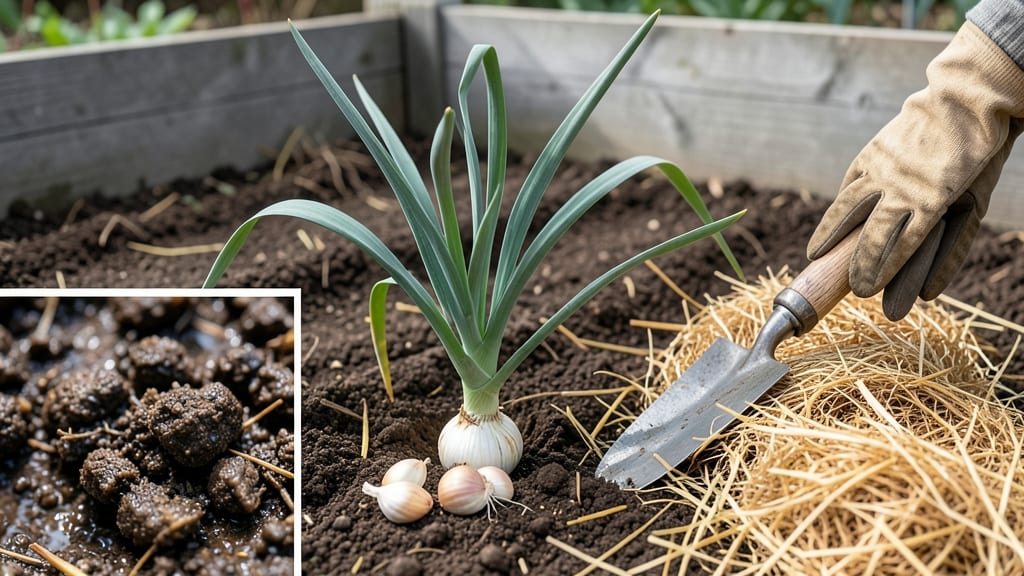
If you're wondering "when should I plant garlic in Zone 7", timing is everything—get it right, and you'll harvest plump bulbs by summer. Fall planting is your golden window, but even a few weeks off can mean smaller yields or weak growth.
Most gardeners in Zone 7 plant 🧄 garlic between mid-October and early November, giving the cloves time to root before winter. This 6-8 week window before the ground freezes is critical for hardneck varieties, which need cold exposure to form bulbs.
Spring planting is possible, but it rarely matches fall's success—those planted in February or March often produce smaller cloves. The key is preparing your soil now, so it's ready when the time comes.
Let me walk you through the exact steps to plant garlic in Zone 7 this fall, from soil prep to spacing, so you can avoid common mistakes and enjoy a bountiful harvest next summer.
Optimal fall planting window for Zone 7 garlic (with exact dates)
Timing is everything when planting garlic in Zone 7. For hardneck varieties, the sweet spot is 4–6 weeks before your first hard frost, typically between mid-October and early November.
This window ensures cloves establish roots before winter dormancy while avoiding the risk of frost damage to tender shoots. Softneck garlic, though less common in Zone 7, can also be planted in early spring (February–March) if you prefer a milder harvest.
Zone 7’s first frost date usually lands around October 15, but this varies by microclimate. Check your local USDA frost calendar—planting too early (e.g., September) risks premature sprouting, while waiting too late (e.g., December) may leave cloves vulnerable to frost heave or poor root development.
Aim for soil temperatures between 40°F–50°F at planting time for ideal germination.
Here’s how to adjust for early or late frosts in Zone 7:
- Early frost risk? Plant closer to November 1 for a shorter growing window.
- Late frost risk? Shift to late October and use row covers if temperatures dip unexpectedly.
- Mountainous areas? Add 1–2 weeks to your planting window due to colder microclimates.
🌱 Zone 7 Garlic Planting Timeline
| Stage | Action | Soil Temp | Notes |
|---|---|---|---|
| Prep Soil | Add compost, test pH (6.0–7.0) | Warm (60°F+) | Do this in September. |
| Plant Cloves | 2" deep, 4–6" apart, pointy end up | 40°F–50°F | October 15–November 1 ideal. |
| Mulch | 4–6" straw or leaves | Cold (32°F+) | Prevents frost heave. |
| Spring Growth | Remove mulch, fertilize lightly | 50°F+ | Avoid nitrogen-heavy fertilizers. |
| Harvest | When lower leaves brown | Warm (70°F+) | July–August in Zone 7. |
Why does timing matter so much? Garlic bulbs develop over two growing seasons—the first year focuses on root and clove establishment, while the second year (spring/summer) builds the edible bulb.
Planting too early can lead to bolting (flowering) or weak roots, while late planting may result in small, underdeveloped bulbs. Hardneck varieties, like 'German White' or 'Music', thrive in Zone 7’s fall planting window, producing larger bulbs with flavorful scapes.
Pro tip: Use a moon planting calendar for Zone 7—planting during the rooting phase (last quarter moon) can boost early root growth. Pair garlic with companion plants like thyme or marigolds to deter pests like aphids, which love tender garlic shoots.
Avoid planting near beans or peas, as they compete for nutrients.
If you’re in northern Zone 7 (e.g., near the Blue Ridge Mountains), err on the earlier side (late October) due to colder soils. For southern Zone 7 (e.g., Atlanta or Raleigh), early November works better.
Always monitor your garden’s microclimate—a sheltered spot may stay warmer longer than an open area.
Remember: Garlic is a cool-season crop, so it tolerates light frosts once established. A light dusting of snow won’t harm it, but hard freezes (below 20°F) can damage emerging shoots in spring.
Use straw mulch (4–6 inches) to insulate cloves and prevent frost heave, where soil expands and pushes cloves out of the ground.
For spring planting (less ideal but possible), aim for February 1–March 15
Optimal fall planting window for Zone 7 garlic (with exact dates)
Zone 7’s mild winters and variable frost dates make timing critical for garlic success. Planting too early can lead to premature sprouting, while waiting too long risks frost damage before roots establish.
Aim for 4–6 weeks before your first hard frost, typically mid-October to early November in most of Zone 7.
For hardneck varieties (like ‘German Red’ or ‘Silverskin’), this window ensures bulbs mature fully by summer. Softnecks (like ‘Artichoke’) can tolerate slightly later planting but still need 6+ weeks of cool soil before dormancy.
Check your local frost calendar—some Zone 7 areas (e.g., Atlanta vs. Raleigh) may vary by 2–3 weeks.
Soil temperature is your best guide: ideal planting temps are between 40–50°F. Use a soil thermometer if unsure—garlic cloves won’t sprout until soil warms to 50°F in spring. If temps drop below 32°F before roots establish, mulch with 4–6 inches of straw to insulate.
| Zone 7 Region | Optimal Planting Window | Soil Temp Goal | Key Adjustment |
|---|---|---|---|
| Northern Zone 7 (e.g., Cincinnati) | Late Sept–Oct 15 | 45–50°F | Plant earlier—frosts arrive sooner. |
| Central Zone 7 (e.g., Atlanta) | Mid-Oct–Nov 1 | 40–45°F | Standard window—mulch heavily. |
| Southern Zone 7 (e.g., Raleigh) | Oct 15–Nov 10 | 40–48°F | Can plant later—warmer soils. |
Pro tip: Hardneck garlic needs cold vernalization (40–50°F for 6–8 weeks) to form bulbs. If you miss fall planting, early spring (February–March) is your backup—but yields may be 20–30% smaller. For maximum bulb size, prioritize fall planting and avoid disturbing beds until harvest.
Watch for early frost warnings in late fall. If temps drop below 20°F, cover beds with row fabric or thick mulch to prevent clove rot. In Zone 7, December frosts are common, so plant no later than November 15 unless you’re in the southern edge of the zone.
Timing isn’t just about dates—it’s about soil readiness. Test your soil’s drainage first: garlic hates soggy roots. Amend with compost if needed, then plant 2 inches deep, 4–6 inches apart, with the pointy end up.
This sets the stage for spring growth and summer harvests.