
Plants
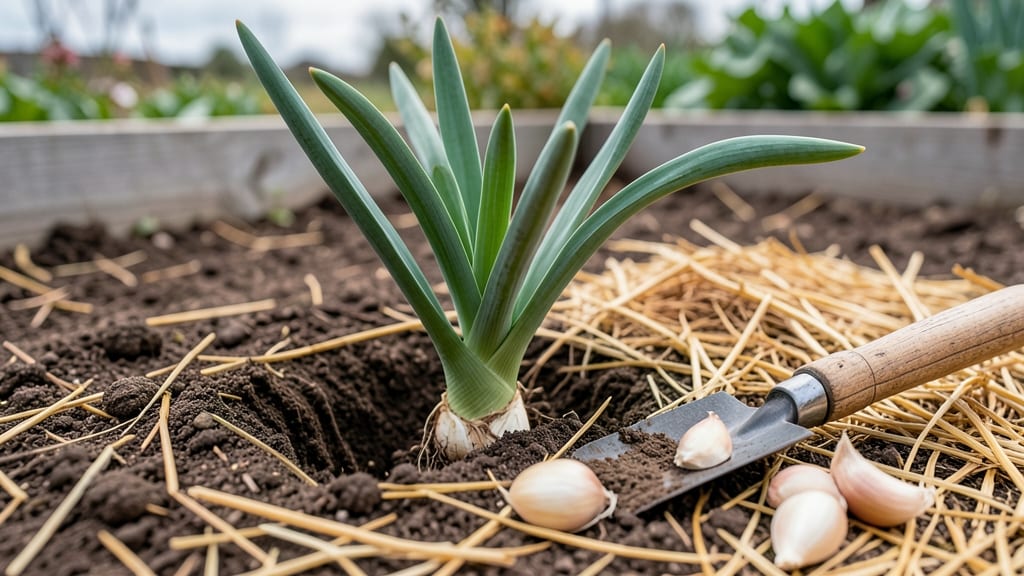
Timing garlic 🧄 planting in Zone 9 is the secret weapon behind plump bulbs and bold flavor—or the fast track to disappointment if you miss the window.
Unlike cooler climates, Zone 9’s mild winters mean you’ve got just a narrow 6-8 week window to plant before summer heat sends your cloves bolting prematurely.
Most gardeners in Phoenix or the Southern California desert assume garlic can wait until spring, but that’s a recipe for small, weak bulbs. The truth?
Your garlic needs cool soil and short days to form properly—and in Zone 9, that means planting between late October and December, when temperatures dip but frost is still rare.
I’ve tested both hardneck and softneck varieties in this climate, and the difference between a perfectly timed fall planting and a spring attempt is night-and-day.
Let me walk you through exactly how to nail your Zone 9 garlic schedule, from soil prep to harvest cues, so you’re not left with puny cloves next summer.
Whether you’re a first-time grower or a seasoned gardener, these microclimate-specific tips will help you grow garlic that rivals store-bought—without the chemicals. Ready to transform your fall planting routine?
Optimal planting months for garlic in Zone 9: microclimate breakdown
Zone 9’s mild winters and long growing seasons create a unique challenge for garlic growers. Unlike colder zones, you won’t get a natural dormancy period from frost, so timing is everything. Plant too early, and your garlic may bolt prematurely; too late, and you’ll sacrifice bulb size.
The sweet spot? Late October through December, when soil temps hover between 60-70°F.
In Zone 9, hardneck garlic (like Silverskin or Rocky Mountain) thrives best in cooler microclimates, such as inland valleys or higher elevations. Softneck varieties (like Artichoke or California Early) handle coastal warmth better, making them ideal for areas near the ocean where winters are milder.
Your local microclimate—whether you’re in Phoenix, San Diego, or Las Vegas—will dictate the exact window.
Here’s the key: Plant garlic 6-8 weeks before your area’s first frost (if frost occurs at all). In most of Zone 9, that means late October to early December. For example, in Phoenix, where frosts are rare, aim for November planting.
In cooler coastal areas like Santa Barbara, late October works better. Use a soil thermometer to confirm temps are below 70°F—this triggers dormancy and prevents bolting.
If you miss the fall window, don’t panic—Zone 9 allows for spring planting (February-March) as a backup. However, spring-planted garlic often yields smaller bulbs and may bolt faster due to summer heat. For best results, prioritize fall planting and use shade cloth in summer to protect maturing bulbs.
Pro tip: Break apart garlic bulbs into individual cloves right before planting. Use the largest cloves for bigger bulbs next year. Plant them pointy-end up, 2 inches deep, and 4-6 inches apart in rows 12 inches apart.
This spacing gives roots room to spread and reduces disease risk.
Soil prep is critical in Zone 9. Amend your soil with compost or aged manure to improve drainage—garlic hates soggy roots. Aim for a pH of 6.0-7.0.
If your soil is sandy (common in desert zones), mix in peat moss to retain moisture. In clay-heavy soils (like parts of Southern California), add perlite to prevent compaction.
Mulching is a game-changer in Zone 9. Apply 2-3 inches of straw or wood chips after planting to insulate roots and retain moisture. In coastal areas, mulch also protects against winter rains that can cause rot. Remove mulch in late spring to prevent overheating as bulbs mature.
Remember: Garlic needs 240-300 days to mature. If you plant in November, you’ll harvest in late June or July of the following year. Mark your calendar and set reminders—consistency is key in Zone 9’s unpredictable microclimates.
🌱
Signs your Zone 9 garlic planting timing is perfect (or wrong)
Zone 9’s mild winters make garlic planting tricky—plant too early, and your cloves may bolt prematurely from heat stress. Plant too late, and growth stalls before spring. The key is soil temperature between 60-70°F, signaling dormancy readiness.
Test your soil’s readiness by pushing a thermometer 2 inches deep. If temps hover around 65°F, it’s time to plant. Coastal areas may need earlier timing due to cooler ocean breezes, while inland deserts can wait until December.
Look for dormant cloves—they should feel firm but pliable, not soft or shriveled. Soft cloves indicate overdrying, while shriveled ones mean excessive heat exposure. Store cloves in a cool, dark place until planting to maintain dormancy.
Planting Too Early: Soil temps >75°F → bolting risk
Planting Too Late: Soil temps <55°F → slow growth
Zone 9 Red Flag: January planting = poor bulb development
Watch for sprouting signs 2-3 weeks post-planting. Healthy shoots should emerge uniformly and stand 1-2 inches tall. Uneven sprouting suggests inconsistent soil moisture or poor clove selection.
If your garlic bolts early (sends up a flower stalk), blame heat stress or daylength sensitivity. Hardneck varieties are bolting-prone in Zone 9—opt for softneck varieties like Silverskin or Artichoke for better heat tolerance.
For harvest readiness, focus on lower leaves browning by late spring. The bulb should feel firm and papery when gently squeezed. Ignore green tops—harvest when 50% of leaves die back to ensure maximum bulb size.