
Plants
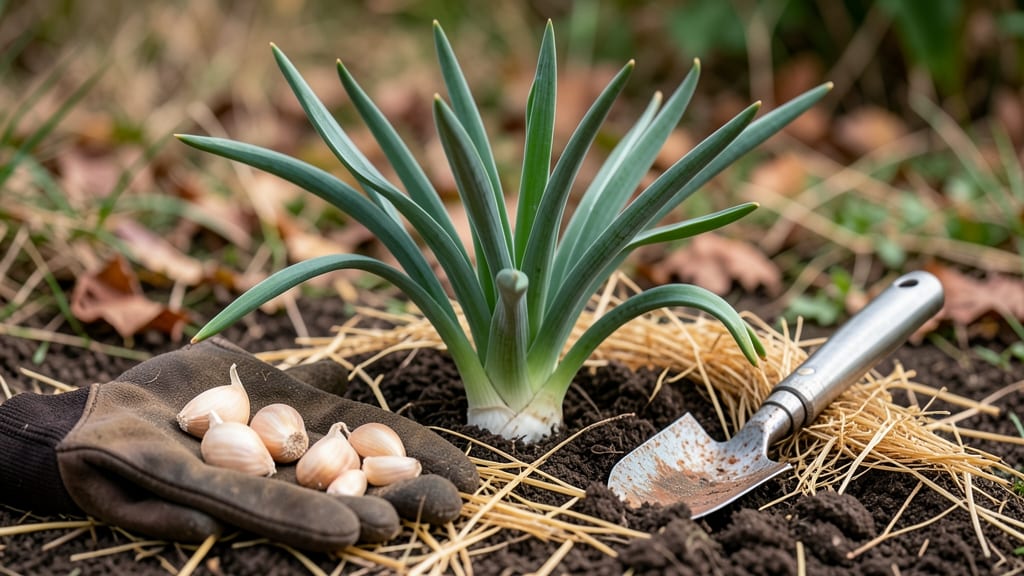
The best time to plant garlic in Colorado isn’t just about the calendar—it’s about beating the first frost while giving your 🧄 bulbs enough time to root before winter sets in.
If you’ve ever wondered why some gardeners swear by fall planting while others try spring, the answer lies in Colorado’s USDA Zones 4-7 and those unpredictable mountain frosts. Getting the timing right can mean the difference between a harvest of plump, flavorful cloves and a sad, half-buried disappointment.
I’ll break down the exact late September to early October window that works best for Colorado’s climate, plus how to adjust for high-altitude areas where frost creeps in earlier. Whether you’re growing hardneck varieties for braiding or softnecks for storage, these insights will help you plant with confidence.
Ready to grow garlic that thrives? Let’s dive into the science—and secrets—of planting at the perfect moment for your Colorado garden.
Optimal planting months for hardneck garlic in Colorado’s climate zones
Colorado’s diverse USDA zones 4-7 create unique challenges for garlic planting. In Zone 5 (Front Range cities like Denver and Boulder), the ideal window is late September to early October, while Zone 6 (Pueblo, Colorado Springs) can extend planting until mid-October.
Higher elevations in Zone 4 (e.g., Steamboat Springs) require earlier planting—late August to early September—to avoid early frosts.
The key is planting 4-6 weeks before the ground freezes. For most of Colorado, this means mid-September to early October. Use your local last frost date as a guide: aim for 60 days before that date.
For example, if your area freezes by November 15, plant by September 20.
Colorado’s microclimates complicate timing. The Western Slope (e.g., Grand Junction) has warmer winters, allowing planting until early November, while high-altitude areas (e.g., Telluride) need planting by mid-September. Check your elevation—every 1,000 feet higher shortens the growing season by 3-5 days.
Hardneck garlic, Colorado’s best-performing variety, thrives in cold winters. Planting in fall ensures strong root development before winter. Spring planting (March) is possible but yields smaller bulbs. If you miss fall, wait until early spring—just be prepared for a less robust harvest.
Soil temperatures matter too. Garlic grows best when soil is 40-50°F. Use a soil thermometer to confirm readiness. In Colorado, soil temps drop below 40°F by late October in most regions, signaling it’s time to plant.
Here’s how to adjust for Colorado’s variable conditions:
- Front Range (Zones 5-6): Plant September 20–October 10
- Western Slope (Zone 7): Plant October 1–15
- High Altitude (Zone 4): Plant August 20–September 10
| Region | USDA Zone | Planting Window | Key Adjustment |
|---|---|---|---|
| Front Range (Denver, Boulder) | 5-6 | Late Sept–Early Oct | Avoid early frosts |
| Western Slope (Grand Junction) | 7 | Early Oct–Mid-Nov | Warmer microclimate |
| High Altitude (Telluride) | 4 | Late Aug–Early Sept | Shorter growing season |
If you’re unsure about your last frost date, check local CoCoRaHS data or ask your Cooperative Extension office. For example, Denver’s average last frost is October 15, while Colorado Springs holds off until November 1.
Planting too late risks frost-heaving, where bulbs push out of the soil and freeze.
Pro tip: Use straw mulch (4-6 inches) after planting to insulate bulbs and regulate soil temps. This extends the planting window by 1-2 weeks in colder areas. Just remove mulch in early spring to prevent rot.
Remember, hardneck garlic needs cold vernalization (a period of cold) to form bulbs. Planting in fall ensures this happens naturally. If you plant in spring, you’ll need to chill the cloves for 6-8 weeks in the fridge before planting.
Optimal planting months for hardneck garlic in Colorado’s climate zones
Colorado’s diverse USDA zones 4-7 create unique challenges for garlic planting. Unlike warmer climates, our short growing season and variable frost dates demand precise timing.
Most gardeners in Zone 5-7 (covering Denver, Fort Collins, and Colorado Springs) should aim for late September to early October, while higher elevations (Zone 4) may need to plant as early as mid-September.
Microclimates play a huge role—Front Range areas like Boulder experience earlier frosts than Western Slope regions. For example, Grand Junction (Zone 6) might have 2 extra weeks of growing time compared to Steamboat Springs (Zone 4).
Always check your last average frost date (typically mid-October in most areas) and plant 6-8 weeks beforehand.
| USDA Zone | Optimal Planting Window | Key Considerations |
|---|---|---|
| Zone 4 (Steamboat, Leadville) | Mid-September to early October | Earlier frost—prioritize cold-hardy varieties like 'German White' |
| Zone 5 (Fort Collins, Estes Park) | Late September to mid-October | Standard window; adjust for microclimates (mountains freeze faster) |
| Zone 6 (Denver, Colorado Springs) | Late September to early October | Urban heat islands may extend growing season slightly |
| Zone 7 (Grand Junction, Durango) | Early October (or late September for high-altitude areas) | Longer growing season; can push planting slightly later |
For high-altitude gardens (above 7,000 feet), plant 2-3 weeks earlier than your zone’s general guideline. The thinner air and colder nights accelerate bulb formation, so aim for early September in areas like Creede (Zone 5).
Conversely, low-desert regions (e.g., Alamosa) can sometimes plant into early November if soil temperatures remain above 40°F.
Spring planting is possible in Colorado but not recommended for hardneck varieties—they need cold vernalization to form bulbs. If you must plant in spring, use softneck varieties and start in March, but expect smaller yields.
The 60-day pre-frost rule still applies: count backward from your first average frost date (usually mid-October) to determine your ideal window.
Pro tip: Use a soil thermometer to confirm soil temps are between 40-50°F before planting. In Colorado’s variable fall weather, this ensures your cloves won’t rot from warm soil or freeze from early cold snaps.
Most gardeners in Zone 6 hit the sweet spot with late September plantings—just in time for first frosts to trigger bulb formation.
Remember, hardneck garlic (Colorado’s best choice) needs cold winters to develop flavorful bulbs. If you’re in a mild microclimate, consider mulching heavily with straw or leaves to simulate winter conditions. This is especially critical in Zone 7 areas where winters are less severe.