
Plants
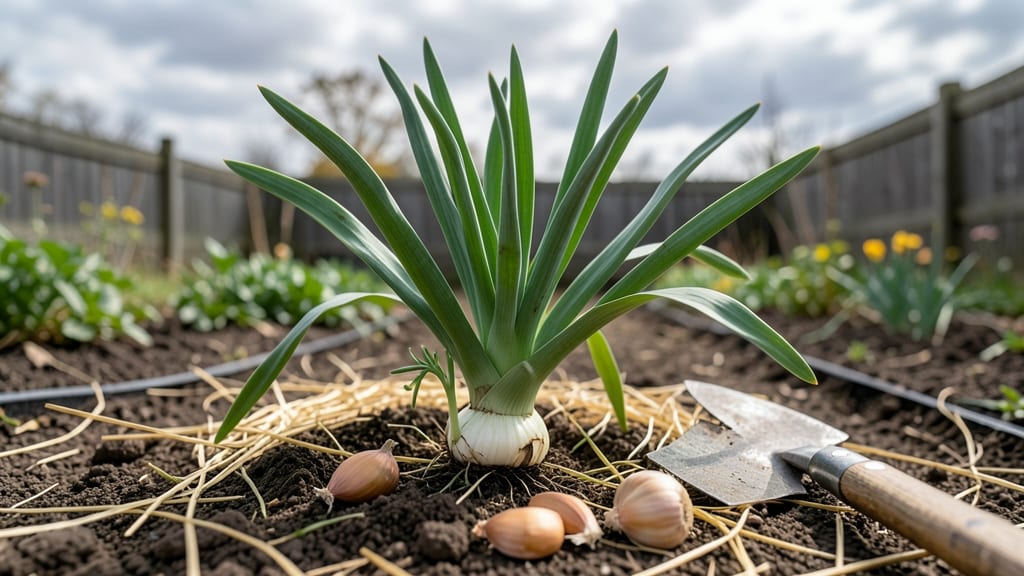
If you're growing garlic in Zone 6, timing your fall planting could mean the difference between a thriving harvest and wasted effort. The perfect window—typically between October and November—requires careful planning to avoid frost damage while ensuring bulbs mature properly the following summer.
Most gardeners in Zone 6a know the struggle: plant too early, and your cloves may sprout prematurely before winter sets in; too late, and they won’t establish roots before the ground freezes.
The key is planting 4-6 weeks before your first hard frost, usually around early to mid-October, depending on your specific microclimate.
This guide will walk you through the exact steps to time your planting, prepare your soil, and avoid common mistakes that ruin fall garlic. Whether you're a first-time grower or a seasoned gardener, these insights will help you maximize your 🧄 harvest potential in Zone 6.
From soil temperature thresholds to mulching strategies, we’ll cover everything you need to know to plant garlic at the ideal time—so you can enjoy plump, flavorful bulbs ready for harvest next July or August.
Zone 6 garlic planting timeline: exact dates for fall success
For Zone 6 gardeners, timing garlic correctly means the difference between plump bulbs and wasted effort. The ideal window is 4-6 weeks before your first hard frost, typically mid-October to early November in most of Zone 6.
This ensures cloves establish roots before winter dormancy but avoid spring planting risks.
Hardneck varieties like Rocambole and German White thrive when planted in this window. They need cold exposure to form bulbs, but not so early that they rot before winter. Think of it as a balancing act between frost and growth.
Your last frost date is your anchor. In Zone 6, this usually falls around mid-November. Count backward 6 weeks—that’s your planting deadline. For example, if frost hits November 15th, aim to plant by October 1st.
Soil temperature is your second clue. Garlic cloves need 40-50°F soil to sprout. Test with a soil thermometer—if it’s below 40°F, wait. Cooler soil delays sprouting but prevents rot in wet conditions.
Early Zone 6 (6a) areas like Chicago or Minneapolis may need to plant by late September, while later areas (6b) like Richmond or Raleigh can wait until mid-November. Check your local frost dates for precision.
| Month | Zone 6 Task | Soil Temp | Key Notes |
|---|---|---|---|
| September | Prep soil, order seeds | 50-65°F | Test pH (6.0-7.0), add compost |
| October | Plant cloves (early Oct) | 40-50°F | Pointy end up, 2" deep |
| November | Mulch heavily (late Nov) | Below 32°F | Use straw, 4-6" thick |
| December-Feb | Dormant period | 32°F or lower | No watering needed |
| March-April | Remove mulch, water lightly | 40-50°F | Watch for sprouts |
If you miss the fall window, spring planting is possible but risky. Cloves planted in March or April may produce smaller bulbs because they lack winter chilling. Only attempt this if you’re desperate—fall planting is non-negotiable for quality garlic.
Pro tip: Use a garlic planting calendar from your local extension office. They adjust for microclimates. For example, valleys may frost earlier than hilltops, shifting your window by 1-2 weeks.
Hardneck varieties like Chesnok Red or Silverskin are your best bets. They handle Zone 6’s cold winters better than softnecks. Save seeds from your best bulbs—homegrown garlic adapts to your microclimate over time.
Remember: No garlic, no vampires—but also no wasted effort if you plant at the wrong time. Stick to these dates, and you’ll harvest plump, flavorful bulbs next summer.
Zone 6 garlic planting timeline: exact dates for fall success
Timing garlic correctly in Zone 6 means planting 4-6 weeks before the first hard frost, which typically lands in mid-October to early November. For most of Zone 6, this translates to planting between October 15 and November 1, giving bulbs time to establish roots before winter dormancy.
Hardneck varieties like Rocambole and German White thrive best when planted in this window.
Soil temperature is your secret weapon—aim for 40-50°F at planting time. If your soil stays above 50°F too long, your garlic may sprout early and get frost damage. Use a soil thermometer to check, or rely on local frost date forecasts from your USDA Plant Hardiness Zone maps.
Here’s the month-by-month breakdown for Zone 6:
| Month | Action | Notes |
|---|---|---|
| September | Prep soil | Test pH (6.0-7.0), add compost |
| October | Plant cloves | 2 inches deep, 4-6 inches apart |
| November | Mulch heavily | 4-6 inches of straw or leaves |
| December-February | Dormancy | Protect from extreme cold |
| March-April | Remove mulch | Reapply when shoots emerge |
If your first frost arrives early, plant by October 1 to avoid stress. Conversely, if frost comes late, you can push planting to early November.
Just ensure cloves have 4-6 weeks to root before the ground freezes solid. Spring planting is possible but yields smaller bulbs—stick to fall for best results.
Pro tip: Use hardneck varieties for Zone 6—they handle cold better and produce hardneck scapes (edible flower stems) in summer. Softneck varieties, like Silverskin, struggle in colder winters and aren’t ideal for this zone.
Once planted, mulch with straw or leaves to insulate bulbs through winter. This protects them from freeze-thaw cycles and keeps soil temps stable. In spring, remove mulch when shoots appear—this signals it’s time to fertilize lightly with 5-10-10 for balanced growth.