
Plants
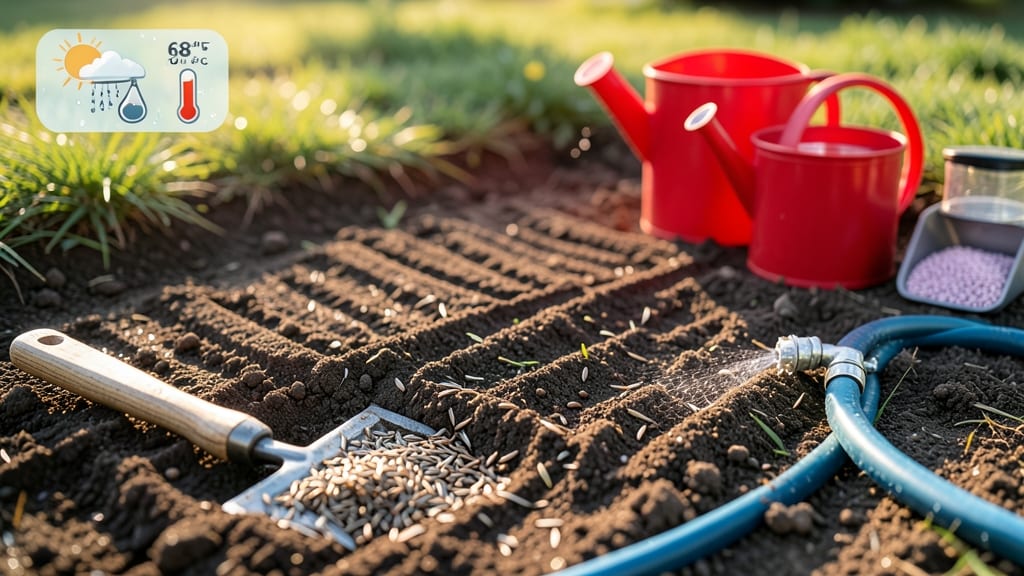
The best time to plant grass seed in South Carolina isn’t just about picking a month—it’s about beating the heat, avoiding fungal threats, and matching your region’s unique climate. Whether you’re in the humid Lowcountry or the drier Piedmont, getting this wrong can mean patchy lawns or wasted seed. I’ve seen firsthand how a 2-week timing shift can turn a struggling lawn into a lush carpet.
Coastal areas like Charleston thrive with early fall plantings (August-September), while Piedmont zones (like Columbia) often wait until March-April. The key? Soil temps between 55–65°F—too hot or too cold, and your 🌱 sprouts fight an uphill battle.
Let’s break down the science behind these windows and how to prep your soil for fast, reliable germination.
You might think spring is the only option, but fall actually gives grass seed a head start—cooler temps mean less stress on young roots. Plus, you’ll avoid summer’s fungal risks (like brown patch) that can turn your new lawn into a science experiment.
I’ll show you exactly how to read your region’s microclimate clues and adjust your schedule.
Ready for a lawn that looks like it belongs in a postcard? The secret starts with knowing when to plant—and trust me, the difference between a so-so lawn and a showstopper often comes down to timing. Let’s get you growing the right way.
South Carolina grass seed planting calendar: coastal vs Piedmont timing for optimal germination
South Carolina’s diverse climate means the best time to plant grass seed varies dramatically between the coastal plain and the Piedmont region.
Coastal areas like Charleston and Myrtle Beach experience milder winters and hotter summers, while inland cities like Columbia and Greenville have cooler nights and more pronounced seasonal shifts. Getting this timing right ensures fast germination and a dense, healthy lawn.
For both regions, the ideal soil temperature for planting grass seed ranges between 55–65°F. This window typically falls in early spring (March–April) and early fall (August–September). However, coastal areas can extend their planting windows slightly later in the year due to their warmer microclimates.
Let’s break down the best months for each region to maximize your success.
In the coastal plain, late August through October is your best bet. The soil stays warm enough for germination, and the humidity levels are high enough to reduce stress on new seedlings.
However, be mindful of fungal diseases like brown patch, which thrive in the warm, moist conditions of late summer. Overseeding in September can also help thicken existing lawns before winter.
For the Piedmont region, early spring (March–April) and early fall (August–September) are ideal.
Spring planting allows the grass to establish before the summer heat sets in, but be prepared for the occasional late frost, which can damage tender new shoots. Fall planting is often preferred because it gives grass time to grow roots before winter dormancy.
If you’re in a transition zone between the two regions, like the Upstate, you might find that late August to early September strikes the perfect balance.
Always check your local USDA hardiness zone (7a–8b for most of SC) and monitor soil temperatures with a simple soil thermometer to confirm readiness.
One common mistake is planting grass seed too early in spring or too late in fall. Early spring planting risks seedling damage from frost, while late fall planting may not allow enough time for roots to establish before winter.
Aim to plant at least 6–8 weeks before the first expected frost in your area to give your lawn the best chance to thrive.
Finally, don’t overlook the importance of rainfall patterns. Coastal areas often receive more consistent rainfall, while the Piedmont can experience summer droughts. If natural rainfall is insufficient, be prepared to supplement with irrigation to keep the soil moist during the critical first 2–3 weeks of growth.
By aligning your planting schedule with these regional guidelines, you’ll set your lawn up for successful germination and a lush, green carpet that stands up to South Carolina’s unique challenges. The key is patience and preparation—don’t rush the process, and your efforts will pay off in a beautiful, resilient lawn.
5 Critical factors that determine the perfect grass seed planting time in SC (beyond just the calendar)
The calendar alone won’t guarantee success—you also need to consider 5 critical factors that directly impact germination rates and lawn health in South Carolina. These variables often determine whether your grass seed thrives or struggles, especially in our humid subtropical climate.
Ignoring them can lead to patchy growth, fungal issues, or wasted seed. Let’s break down what truly matters beyond just picking a month.
First, soil temperature is your #1 priority. Grass seed needs soil between 55–65°F to germinate properly. Coastal areas hit this window earlier in fall than Piedmont regions due to their warmer microclimates.
A soil thermometer (just $10 at garden centers) is worth its weight in gold—planting when temps are too high or low stresses seedlings and delays growth by 2–3 weeks.
- 🌡️ Soil Temperature: Must be 55–65°F for germination (use a thermometer!)
- 💧 Rainfall Patterns: Coastal needs 1–1.5" weekly; Piedmont may need irrigation
- 🍄 Fungal Disease Risk: Late summer/fall humidity increases brown patch danger
- ❄️ Frost Timing: Plant 6–8 weeks before first frost (varies by region)
- 🌱 Seed Type: Cool-season vs. warm-season grasses have different ideal windows
Rainfall patterns are the second critical factor. Coastal South Carolina often gets consistent moisture, but Piedmont areas can experience summer droughts that dry out seed before it germinates. If your area forecasts less than 0.75 inches of rain per week, plan to water daily for the first 2 weeks using a gentle sprinkler system (not overhead spray, which can wash away seed). Pro tip: Water in the early morning to prevent fungal growth from evening moisture.
The third factor—often overlooked—is fungal disease risk. South Carolina’s humid summers create perfect conditions for brown patch fungus, which can turn your new lawn into a sickly mess.
Late summer/early fall plantings (especially in coastal areas) require fungicide treatments if humidity exceeds 70% for more than 3 days. Choose disease-resistant seed varieties like tall fescue or Bermuda grass if you’re planting in high-risk periods.
Frost timing is another dealbreaker. Planting too late in fall leaves seedlings vulnerable to winter kill, while early spring plantings risk late frost damage. Check your local USDA hardiness zone (7a–8b for most of SC) and aim to finish planting 6–8 weeks before the first frost. In the Upstate, this might mean wrapping up by mid-October, while coastal areas can extend to early November.
Finally, seed type matters more than you think. Cool-season grasses (like Kentucky bluegrass) thrive when planted in early fall or spring, while warm-season grasses (like Bermuda) need late spring/early summer planting. Mixing seed types without considering their ideal germination temps can lead to uneven growth.
For example, planting tall fescue in July (when soil temps exceed 75°F) will result in poor germination—the seed essentially goes dormant until cooler weather.
By mastering these 5 critical factors, you’ll transform guesswork into a foolproof planting strategy. The difference between a thin, patchy lawn and a lush green carpet often comes down to these details.
Start with soil temperature, then adjust for rainfall, disease risk, frost timing, and seed type—and watch your lawn thrive year after year.