
Plants
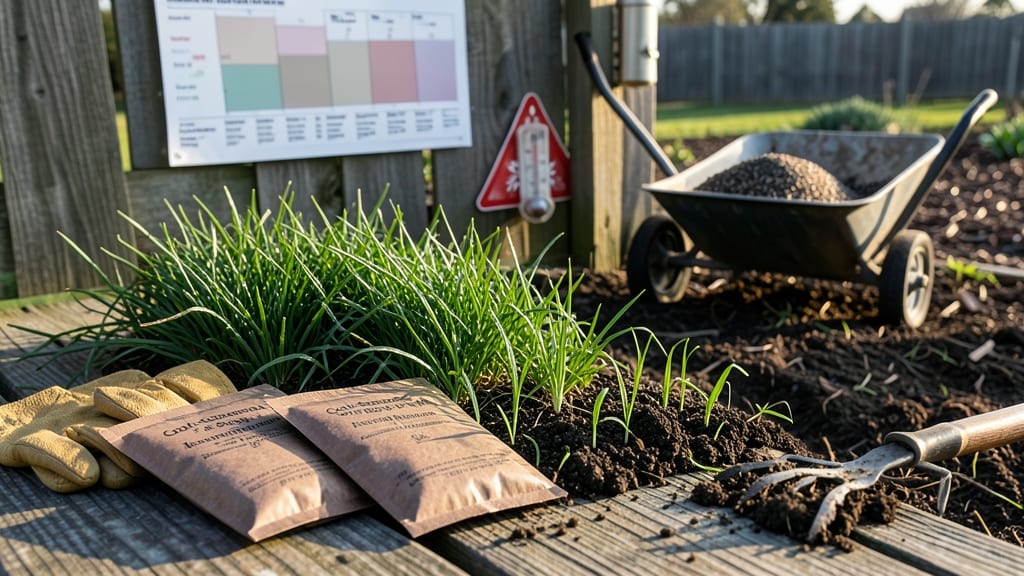
Knowing when is it too late to plant grass seed in Massachusetts can save you from a patchy, weak lawn come spring. The last thing you want is to invest time and money into a lawn that never fully takes hold because you planted too late.
Massachusetts’ 5b-6b climate zones mean your timing depends heavily on where you live—coastal areas stay warmer longer, while inland regions face frost earlier.
For most of the state, the ideal window for planting 🌱 grass seed stretches from early spring to mid-autumn, but late-season planting requires careful planning. If you’re eyeing a fall refresh, you’ll need to act fast—typically by mid-September in Southern MA and as early as late August in Northern regions.
The key is understanding your local frost dates and soil conditions, which can push your deadline back by 2-4 weeks with the right prep.
Don’t let uncertainty hold you back. In this guide, I’ll break down the exact cutoff dates by region, share pro tips for extending your planting window, and help you spot the warning signs that it’s truly too late.
Whether you’re a first-time homeowner or a seasoned gardener, these insights will help you make the most of your lawn’s potential—without the guesswork.
Ready to avoid a winter of bare spots? Let’s dive into the strategies that’ll give your grass the best shot at thriving, no matter how late you’re planting.
Massachusetts late-season grass seed planting deadlines by climate zone
If you're staring at bare patches in your Massachusetts lawn and wondering whether to plant grass seed, timing is everything. Planting too late can leave you with weak seedlings that struggle through winter or fail entirely.
The key is understanding your USDA Zone (5b-6b) and local frost patterns—because what works in Southern MA may not survive in the North Shore.
Massachusetts' first frost typically arrives between mid-October and early November, but coastal areas like Cape Cod may hold off until November. To maximize success, aim to plant grass seed 4-6 weeks before your area's average first frost date. This window ensures seedlings establish roots before winter dormancy sets in.
Here's the critical cutoff by region—plan accordingly to avoid wasted seeds and effort:
| Region | USDA Zone | Last Safe Planting Date | Frost Risk | Soil Temp Threshold |
|---|---|---|---|---|
| Southern MA (e.g., Providence, Cape Cod) | Zone 6b-7a | Mid-to-late September | Low (coastal moderation) | 55°F+ for 2+ weeks |
| Central MA (e.g., Boston, Worcester) | Zone 6a-6b | Early-to-mid September | Moderate (urban heat islands vary) | 50°F+ for 2+ weeks |
| Northern MA (e.g., North Shore, Berkshires) | Zone 5b | Late August to early September | High (earlier frosts) | 45°F+ for 2+ weeks |
Why these dates? Grass seedlings need 4-6 weeks of warm soil (above 50°F) to germinate and establish roots. If you plant too close to frost, seedlings may not survive the cold snap. For example, Northern MA's late August cutoff ensures seedlings have time to harden off before winter.
Coastal areas like Cape Cod can push deadlines slightly later due to moderating ocean breezes, but inland zones (e.g., Worcester) face higher frost risk. Always verify with your local cooperative extension service for hyper-local advice.
For overseeding existing lawns, you can extend the window by 2-3 weeks since established grass provides some insulation. However, new lawns demand stricter timing. Cool-season grasses (like tall fescue or Kentucky bluegrass) are your best bet for late-season planting—they tolerate cooler temps better than warm-season varieties.
If you're on the fence, consider fall overseeding instead of a full late-season replant. It’s a smarter use of resources and often yields better results than a rushed spring planting. Just be sure to test your soil pH (ideal: 6.0-7.0) and amend with compost before seeding.
Remember: No seed will germinate if soil temps drop below 40°F. Use a soil thermometer to check—it’s your best tool for avoiding disappointment.
How to extend your planting window with fall preparation tips
If you’re eyeing that late-summer or early-fall planting, don’t assume it’s too late just yet. With the right prep work, you can safely push back your Massachusetts grass seed planting deadline by 2-4 weeks—even in cooler climates.
The key lies in optimizing soil conditions, choosing cold-hardy seed varieties, and protecting young seedlings from early frosts.
Start by testing your soil temperature—it should stay above 50°F (10°C) for at least 4-6 weeks after planting. Use a soil thermometer to check depths of 2-4 inches. If temperatures dip below this threshold, your seedlings may struggle to germinate or establish roots before winter sets in.
Next, focus on soil preparation. Loosen compacted soil and amend it with organic matter like compost or aged manure. This improves drainage and warmth retention, giving seedlings a head start. Aim for a pH between 6.0 and 7.0, as grass thrives in slightly acidic to neutral soil.
Don’t overlook the power of overshadowing. If your lawn has bare spots, consider overseding instead of full reseeding. This lighter approach disturbs less soil and requires less water, making it ideal for late-season fixes. Use a broadcast spreader and lightly rake seeds into existing grass for even distribution.
Finally, keep an eye on pests and weeds. Late-season planting attracts crabgrass and other weeds, so apply a pre-emergent herbicide (like pendimethalin) 2-3 weeks before seeding. For pests, use grub control treatments if your area has a history of lawn grubs.
With these steps, you can confidently plant grass seed in Massachusetts as late as mid-October in Southern regions and early October in Northern areas—just stay vigilant about frost and soil conditions. Even a 2-week extension can mean the difference between a thriving lawn and wasted seed.