
Plants
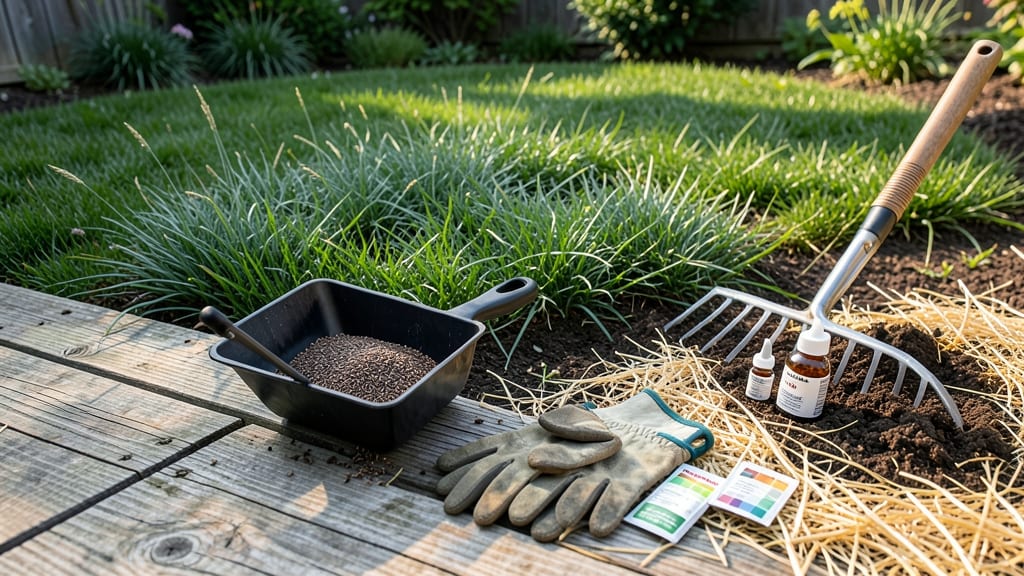
Timing your grass seed planting in Michigan can make or break your lush lawn dreams—because those 5b-6b zone frost dates aren’t just numbers, they’re your secret weapon against patchy, weak growth. Plant too early, and a late frost will wipe out your efforts.
Too late, and summer heat stresses young roots before they establish. The difference between a thick, green carpet and a struggling lawn often comes down to when you press that seed into the soil.
Michigan’s climate throws curveballs—unpredictable springs and early falls demand precision. But here’s the good news: with the right timing, you can outsmart Mother Nature. Whether you’re seeding in early spring or fall, understanding soil temperatures and frost-free windows is the key to success.
Let’s break down exactly when to plant for a lawn that survives—and thrives—through Michigan’s seasons.
I’ve seen firsthand how a well-timed planting transforms bare spots into vibrant grass. The trick? Planting 4-6 weeks before frost or when soil hits 50–60°F. That means late April to early May for spring, or September for fall.
But it’s not just about dates—soil prep, seed choice, and watering matter just as much. Ready to turn your lawn from ho-hum to Hollywood-worthy?
In this guide, I’ll walk you through Michigan’s planting windows, the best grass types for your yard, and pro tips to avoid common mistakes. No more guessing games—just a lush lawn that stands up to Michigan’s challenges. Let’s get started.
Michigan grass seed planting timeline: frost dates & soil temperature guide
Timing your grass seed planting in Michigan isn’t just about the calendar—it’s about understanding your local frost dates and soil temperature. The Upper Peninsula and Lower Peninsula have different climates, so what works in Detroit may fail in Marquette.
Let’s break down the critical windows to ensure your seed germinates successfully and thrives.
For most of Michigan, the last frost date typically falls between mid-April and early May, while the first frost arrives around mid-October. However, microclimates—like urban heat islands or protected valleys—can shift these dates by 1-2 weeks. Always check your local USDA Plant Hardiness Zone (5b-6b) for precision.
Grass seed needs consistent soil temperatures between 50–60°F to germinate. In Michigan, this usually aligns with late April to early May for spring planting and mid-September to early October for fall. Planting too early risks frost damage, while waiting too long stresses young roots in summer heat.
| Region | Last Frost Date | First Frost Date | Ideal Planting Window | Soil Temp for Germination |
|---|---|---|---|---|
| Lower Peninsula (Detroit, Grand Rapids) | April 15–May 1 | October 10–15 | Late April–Early May, Sept 15–Oct 5 | 50–60°F |
| Upper Peninsula (Marquette, Houghton) | May 1–15 | September 20–October 5 | Early May–Late May, Sept 1–Sept 15 | 55–65°F |
| Northern Lower Peninsula (Traverse City) | April 25–May 10 | October 1–10 | Late April–Early June, Sept 1–Sept 20 | 50–60°F |
Spring planting offers the longest growing season, but fall planting—especially in September—gives seeds a head start before winter. The key is to plant 4–6 weeks before the first frost to allow roots to establish.
For example, in Southeast Michigan, aim for late August to early September for fall planting.
Before planting, test your soil pH (ideal range: 6.0–7.0) and amend with compost if needed. Sandy soils warm faster but dry out quicker, while clay soils retain moisture but may compact. Adjust your watering schedule accordingly—daily light watering for the first 2 weeks is critical for germination.
Pro tip: Use a soil thermometer to monitor temperatures. If your soil hasn’t reached 50°F consistently, wait a few more days. Patience now prevents uneven germination and thin patches later. In Michigan’s variable climate, timing isn’t just about the calendar—it’s about the soil’s readiness.
For overseeding existing lawns, aim for early fall (September) when weeds are less competitive and temperatures are cooler. This gives new grass a fighting chance against established weeds and summer heat.
Just remember: water deeply (1–1.5 inches per week) and avoid heavy foot traffic until the new grass is 3–4 inches tall.
If you’re in a transition zone (like Northern Michigan), consider cool-season grasses like Kentucky Bluegrass or Tall Fescue, which handle Michigan’s hot summers and cold winters better than warm-season types. Always choose seeds labeled for your specific region.
Finally, keep an eye on your local weather forecasts. A sudden cold snap in May or an early frost in October can derail your best-laid plans.
When in doubt, plant on the later side—you can always overseed if needed, but you can’t replant after a frost kills your seed.
Best grass seed varieties for Michigan’s climate & planting months
Michigan’s cool-season climate demands grass seed varieties that thrive in USDA Zones 5b-6b. Choosing the right type ensures your lawn stays lush through hot summers and cold winters. The best options are Kentucky Bluegrass, Tall Fescue, and Perennial Ryegrass, each with unique strengths for Michigan’s diverse regions. Kentucky Bluegrass is a top pick for its vibrant green color and drought tolerance, but it struggles in shady areas. Tall Fescue excels in clay-heavy soils and handles foot traffic well, making it ideal for families. Perennial Ryegrass germinates quickly, perfect for spring planting when time is of the essence.Pro Tip: If your lawn has bare patches, use a seed-and-sod mix for faster results. Water lightly twice daily until germination (about 14-21 days) to keep soil moist but not soggy. Mulch with straw to retain moisture and protect seeds from birds.
Michigan’s variable climate means your grass seed choice should match your yard’s sun exposure and soil type. For shady lawns, opt for Fine Fescue; for sunny areas, Kentucky Bluegrass or Tall Fescue will shine. Always buy high-quality seed labeled for Michigan’s climate to avoid disappointment.
🌱🌿