
Plants
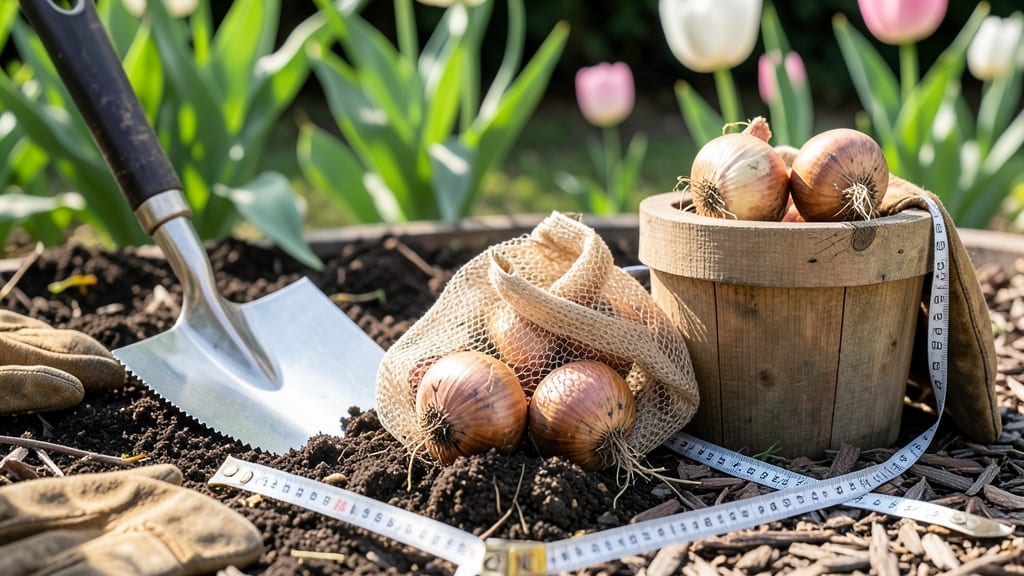
Planting tulips in Texas feels like playing a high-stakes game of timing—get it wrong, and your 🌷 bulbs might bolt into early blooms or never flower at all.
But here's the good news: with the right schedule and heat-resistant varieties, you can coax stunning spring blooms even in our warm climate.
Most gardeners assume tulips need cold winters to thrive, but Texas's 8a-10b zones actually allow for a fall planting window that avoids summer heat stress. The key is planting between October and December, when soil temperatures drop below 60°F—a critical threshold for bulb establishment.
Why does timing matter so much? Because tulips planted too early may sprout prematurely, only to wither in summer heat. Conversely, late plantings risk insufficient root growth before winter dormancy.
I'll show you exactly how to navigate these challenges, from selecting the toughest varieties to preparing your soil for Texas's unpredictable weather.
Ready to transform your garden into a springtime spectacle? Let's dive into the exact months, regional adjustments, and proven techniques that'll keep your tulips blooming beautifully—no matter how hot Texas gets.
Best planting months for tulips in Texas regions (avoiding summer bolting)
Texas gardeners must plant tulips 6-8 weeks before the first hard frost to ensure they establish roots before summer heat arrives. Unlike cooler climates, tulips in Texas need fall planting—never spring—to prevent premature bolting (early flowering) caused by heat stress.
The key is timing: plant when soil temps drop below 60°F but before winter freezes set in.
Texas spans USDA Zones 8a-10b, meaning frost dates vary dramatically. In North Texas (Zones 8a-8b), the window is tight—typically October 15 to November 15.
For Central Texas (Zones 8b-9a), aim for November 1 to December 1, while South Texas (Zones 9b-10b) gardeners should plant December 1 to January 15 to avoid summer heat exposure.
Here’s the critical timing breakdown for each Texas region to maximize blooms and prevent bolting:
In North Texas, where winters are cooler, tulips can handle October planting but risk bolting if planted too early. Central Texas gardeners must wait until November to avoid summer heat exposure, while South Texas requires the latest planting window to prevent premature sprouting.
Always check your local first frost date—planting too late means bulbs won’t establish roots before summer arrives.
Soil preparation is just as critical as timing. Tulips need well-draining soil to prevent rot, especially in Texas’s heavy clay soils. Amend your garden beds with compost or sand to improve drainage, and avoid planting in low-lying areas where water pools.
A slightly acidic to neutral pH (6.0-7.0) is ideal for bulb health.
Pro tip: Test your soil 2-3 weeks before planting. If it’s still warm (above 65°F), delay planting until temperatures drop. Use a soil thermometer to monitor—this small tool saves hours of trial and error.
In my Zone 9a garden, I’ve learned the hard way that rushing planting in October leads to bolting by March.
Once planted, mulch heavily (3-4 inches) with straw or pine needles to insulate bulbs from temperature swings. In South Texas, even winter nights can warm up enough to trick tulips into early growth.
Mulch keeps soil temps stable, ensuring bulbs stay dormant until spring. Remove mulch in late winter to allow foliage to emerge.
Watering after planting is non-negotiable. Give bulbs a deep soak immediately after planting, then water weekly until ground freezes. Avoid overhead watering in winter—drip irrigation or soaker hoses prevent fungal issues. In drought-prone areas, supplement with 1 inch of water per week during dry spells.
Finally, don’t fertilize in fall. Tulips store energy in their bulbs, and fall feeding can encourage weak growth. Wait until spring, when foliage emerges, to apply a balanced fertilizer (5-10-10). Over-fertilizing in Texas’s heat can actually reduce blooms—less is more for these finicky flowers.
With the right timing and care, your Texas tulips will reward you with bold blooms in April-May, defying the heat and proving that even in the Lone Star State, spring can arrive in full color. 🌷
Best planting months for tulips in Texas regions (avoiding summer bolting)
Texas's diverse climate—from North Texas's cooler winters to South Texas's mild winters—means one-size-fits-all planting advice won't work. Tulips need 6-8 weeks of cold dormancy to bloom, but Texas's 90°F+ summers trigger premature flowering (bolting).
The key? Planting before soil temperatures drop below 60°F but after the last 95°F heatwave of summer.
North Texas (Zones 7b-8a) has the most predictable fall planting window. Central Texas (Zones 8a-8b) requires earlier planting, while South Texas (Zones 8b-9b) pushes the limit to January for some varieties.
Let’s break it down by region to avoid summer bolting and ensure vibrant spring blooms.
🌱 Texas Tulip Planting Timeline by Region
| Region | USDA Zone | Best Planting Window | Soil Temp Threshold | Key Tip |
|---|---|---|---|---|
| North Texas | 7b-8a | October 15 - November 15 | Below 65°F | Wait for first frost to signal dormancy. |
| Central Texas | 8a-8b | October 1 - November 1 | Below 60°F | Use black plastic mulch to warm soil faster. |
| South Texas | 8b-9b | November 15 - January 15 | Below 55°F | Plant heat-resistant varieties like 'Darwin Hybrids'. |
For North Texas gardeners, aim for mid-October when daytime highs drop below 80°F. This gives bulbs time to root before winter chills. Use a soil thermometer to confirm temperatures stay below 65°F at planting depth (6-8 inches).
In Central Texas, rush planting by early October—delaying risks bolting by March instead of spring.
South Texas gardeners have the tightest window: plant by January 15 to avoid summer heat. If you miss this, consider container gardening with bulbs in cool basement storage until spring. Pre-chill bulbs for 8-10 weeks in the fridge to mimic winter dormancy.
This trick extends the window to February for heat-tolerant varieties.
Regardless of region, avoid planting after December 1 unless you’re in Zone 7b or cooler. Tulips planted too late may not get enough cold exposure to bloom.
Instead, focus on soil preparation: amend with compost and sand for drainage, and mulch heavily after planting to insulate bulbs from temperature swings.
Pro tip: Mark your calendar for the first week of November—this is the last safe window for most of Texas.
By then, soil temperatures will have stabilized, and you’ll avoid the 90°F+ heatwaves that trigger bolting. Patience is key: rush planting leads to smaller blooms or no flowers at all.