
Plants
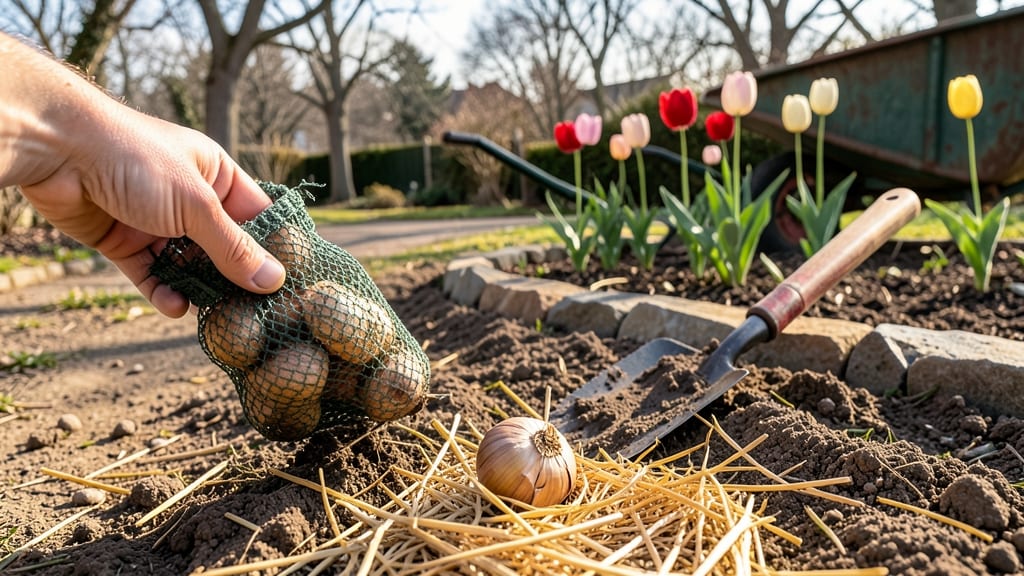
Planting tulip bulbs 🌷 in California isn’t as simple as dropping them in the ground before winter—get the timing wrong, and you’ll end up with floppy stems instead of showstopping blooms.
Unlike most gardening guides that suggest fall planting, California’s diverse microclimates (from frost-free coasts to chilly inland valleys) mean you need a zone-specific approach to avoid frost damage or premature sprouting.
If you’ve ever wondered why your tulips failed to bloom—or worse, rotted in soggy soil—it’s likely because you planted them at the wrong time.
The key is understanding your local frost dates: coastal areas (like San Francisco) can plant as late as December, while inland deserts (like Palm Springs) need bulbs in the ground by November to survive mild winters without freezing.
I’ll break down exactly when to plant in your specific California zone, how to prep soil for zero-frost risk, and which tulip varieties handle your climate best. No more guesswork—just vibrant, reliable blooms every spring.
Ready to transform your garden? Let’s dive into the perfect planting window for your region and ensure your tulips thrive from bulb to bloom.
California planting zones and their ideal tulip bulb timing
California’s USDA zones 7-10 create a unique challenge for tulip growers. Unlike colder climates, coastal areas (zone 10) rarely see frost, while inland valleys (zone 7) can experience light freezes. This means your planting window shifts dramatically depending on where you live.
In Northern California, aim for October to early December, while Southern California gardeners can plant as late as January—but with special precautions.
Tulip bulbs need 6-8 weeks of cool soil temperatures (40-50°F) to establish roots before winter dormancy. Planting too early in mild zones risks premature sprouting, while waiting too long may leave bulbs vulnerable to late-season rains or fungal rot.
The key is aligning your timing with your local frost date and soil temperature trends.
Here’s how California’s three main climate zones affect your tulip planting schedule:
For coastal gardeners in zone 10, the real trick is mimicking winter chill. Since natural frosts are rare, store bulbs in the fridge (35-40°F) for 8-10 weeks before planting. This artificial chilling tricks bulbs into thinking winter has arrived, ensuring they’ll bloom reliably.
Inland zones (7-9) benefit from natural soil cooling, so no extra steps are needed—just plant before the ground freezes.
Microclimates add another layer of complexity. For example, Santa Barbara’s coastal fog belt (zone 9) may only need December planting, while nearby Santa Ynez Valley (zone 8) could face January frosts.
Always check local weather averages and observe nearby gardens for early bloomers as a natural indicator of safe planting times.
One common mistake is assuming “California winters are mild, so I can plant anytime”. Without proper chill hours, tulips may produce fewer flowers or skip blooming entirely.
Even in zone 10, timing matters—planting in late winter risks heat stress before bulbs establish roots. Aim for early spring planting (February) only if you’ve pre-chilled bulbs.
Pro tip: Use a soil thermometer to monitor temperatures. Tulip bulbs are happy when soil stays between 40-60°F (4-16°C) for 6-8 weeks post-planting. If your soil heats up too quickly (common in Southern California), opt for shadier spots or raised beds to keep roots cool.
🌷
Step-by-step guide: when and how to plant tulips in California’s frost-prone areas
Planting tulip bulbs in California’s frost-prone zones requires precision to ensure they establish strong roots before winter. For USDA zones 7-9, aim to plant between October and December, ideally 4-6 weeks before the first frost.
Inland areas like the Central Valley (zone 9) can plant as late as mid-December, while coastal zones (zone 10) may extend planting into early January—just before rain season peaks.
Start by selecting a sunny location with well-draining soil. Tulips hate soggy conditions, so amend heavy clay with compost or sand to improve drainage. A 6-inch layer of mulch after planting helps insulate bulbs from temperature swings and retain moisture.
For container gardening, use pots with drainage holes and plant bulbs 6-8 inches deep, mimicking in-ground conditions.
Planting tulip bulbs too early (before October) risks rot from excess moisture or sprouting before winter dormancy. Young shoots can’t survive frost and may freeze back to the ground. Conversely, planting too late (after December) leaves bulbs vulnerable to drought stress before roots establish. In zone 9+, late plantings may also bloom erratically due to inconsistent chilling hours.
Dig holes 6-8 inches deep—about 3 times the bulb’s height—and space them 4-6 inches apart for dwarf varieties or 6-8 inches apart for standard tulips. Place bulbs with the pointy end up and roots facing downward.
If planting in clay-heavy soil, mix in perlite or coarse sand to prevent waterlogging. After backfilling, water deeply to settle the soil and eliminate air pockets around the bulbs.
Post-planting care is critical for winter survival. Water lightly every 2-3 weeks during fall rains to prevent soil saturation, but avoid overwatering. In zone 9+, where winters are mild, apply a 3-inch layer of mulch (straw or shredded leaves) to protect bulbs from temperature fluctuations.
For coastal areas, reduce mulch to 1-2 inches to avoid fungal issues from excess moisture.
Monitor your garden for early spring sprouts (as early as February in zone 9). Once shoots emerge, resume regular watering and apply a balanced fertilizer (5-10-10) when foliage reaches 3-4 inches tall.
This encourages robust blooms while allowing bulbs to photosynthesize for next year’s growth. Remember: Never cut back leaves until they yellow—this starves the bulb of energy for future blooms.
With the right timing and care, your California tulips will reward you with vibrant blooms from April to May, proving that even in a mild-winter state, patience and preparation pay off. Happy planting! 🌷