
Plants
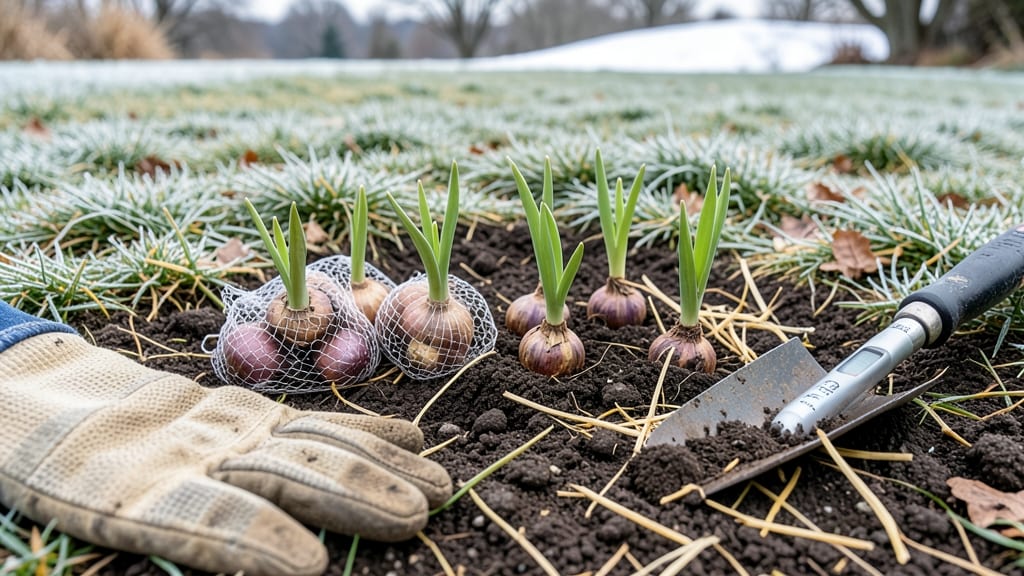
Planting tulips in Minnesota might seem tricky with its freezing winters, but timing is everything—September to October is your golden window to get bulbs in the ground before frost locks them out for good.
The key lies in understanding your USDA 4a-5b zone and working with nature, not against it.
Many gardeners assume spring planting works, but Minnesota’s harsh winters make fall the only reliable option. By planting now, you give those 🌷 bulbs time to establish roots before the ground freezes, ensuring vibrant blooms next spring without the risk of frost damage.
I’ve tested the best strategies for Minnesota’s climate, from soil prep to choosing cold-hardy varieties that survive our deep freezes. Let me show you exactly how to plant tulips so they thrive year after year—no guesswork, just stunning results.
Whether you’re a beginner or a seasoned gardener, these tips will help you avoid common mistakes and enjoy tulips that come back bigger and brighter every season. Ready to transform your garden? Let’s get started.
Best planting months for tulips in Minnesota (avoiding frost damage)
Planting tulips in Minnesota requires precise timing to beat the first frost while giving bulbs time to establish roots. The USDA zones 4a-5b mean your window is narrow—typically late September to mid-October. Planting too early risks rot, while late planting leaves bulbs vulnerable to winter freeze-thaw cycles.
Minnesota’s soil temperature must drop below 60°F (15°C) for tulip bulbs to begin root growth. This usually happens in late September in most regions. Aim to plant 4-6 weeks before the ground freezes—typically by October 15th in the Twin Cities and October 1st in northern areas like Duluth.
Here’s the golden rule: Plant when daytime temps are 50-60°F (10-15°C) and nights dip below 40°F (4°C). This balance ensures bulbs root but don’t sprout too soon. Use a soil thermometer to track progress—roots need 4-6 weeks to form before winter sets in.
🌷
If you miss the fall window, spring planting is possible but risky. Tulips planted in spring (March-April) may bloom the first year, but their root systems weaken and they’re more likely to rot in winter.
For best results, stick to fall planting—it’s the only way to guarantee strong, long-lived tulips in Minnesota’s climate.
Local microclimates matter! Urban areas like Minneapolis-St. Paul tend to have warmer soils longer than rural zones. Check your last frost date (usually mid-October) and count backward 6 weeks to set your planting deadline. For example, if frost hits October 15th, plant by September 1st.
One common mistake? Planting too shallowly. In Minnesota’s freeze-thaw cycles, bulbs need 6-8 inches of soil coverage to avoid heaving (being pushed out of the ground). Use a trowel to dig holes 3x the bulb’s height—this protects them through winter.
For container gardening, plant tulips in well-draining pots by late September and move them to a garage or cold frame before winter. This mimics the insulation of garden soil while preventing frost damage to roots.
🌿
Best planting months for tulips in Minnesota (avoiding frost damage)
Minnesota’s USDA zones 4a-5b demand precise timing to protect tulip bulbs from winter’s wrath. Planting too early or late can leave your bulbs vulnerable to rot or frost heave.
The sweet spot? Late September to mid-October, when soil temps hover around 50-60°F—ideal for root establishment before the ground freezes.
Why this window? Tulips need 4-6 weeks of root growth before winter sets in. If you plant in August, bulbs may sprout too early and get nipped by frost. Conversely, November plantings risk bulbs not rooting deeply enough before the ground freezes, leading to poor blooms next spring.
Check your local last frost date—Minnesota’s typically lands in mid-October, but this varies yearly. Aim to plant 4-6 weeks before the first hard freeze (28°F or below) to give roots time to anchor.
| Planting Window | Soil Temp | Root Growth | Frost Risk |
|---|---|---|---|
| Late August | 60-70°F | Slow | High (early sprouting) |
| September-October | 50-60°F | Optimal | Low |
| November | Below 50°F | Minimal | Very High |
Pro tip: Use a soil thermometer to confirm temps. If your soil stays above 50°F past mid-October, wait until early November—but only if the ground hasn’t frozen yet. In northern Minnesota (Zone 4a), prioritize September plantings for maximum bulb survival.
For container-grown tulips, plant 2 weeks earlier than in-ground bulbs. Containers freeze faster, so give them a head start. Mulch with 4-6 inches of straw or leaves after planting to insulate bulbs and regulate soil temps through winter.
Remember: Well-drained soil is non-negotiable in Minnesota. Heavy clay soils? Amend with compost or sand to prevent bulb rot. Plant bulbs 6-8 inches deep—deeper in sandy soils, shallower in clay—to protect them from freeze-thaw cycles.