
Plants
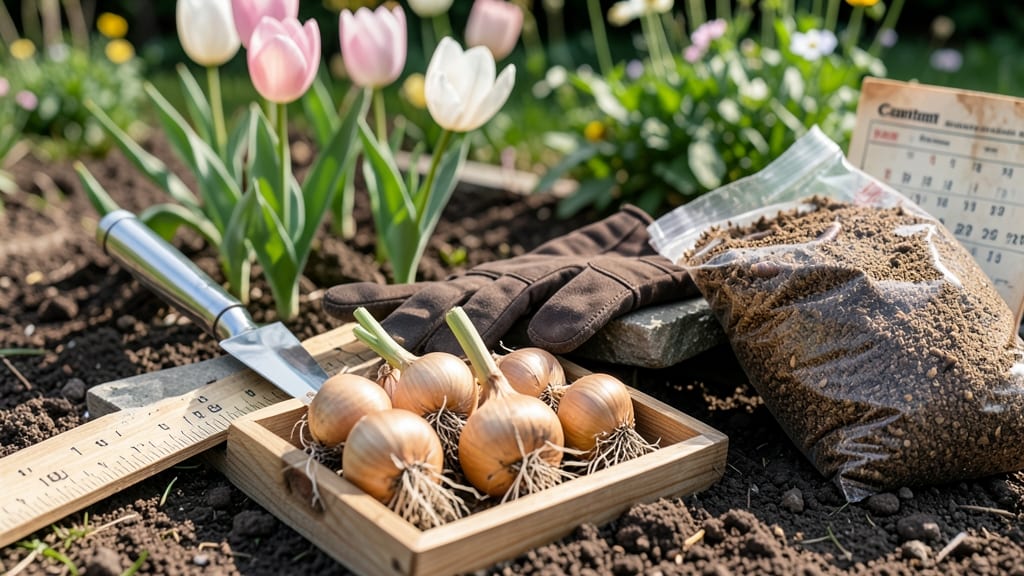
If you’ve ever wondered when to plant bulbs in the South and dreaded the thought of spring blooms never appearing, you’re not alone. The key to vibrant tulips, daffodils, and more lies in timing—specifically, the fall window when soil temps and humidity align just right for Southern gardens.
In USDA Zones 7b-10a, where winters are mild and summers scorching, planting too early or late can spell disaster. But with the right deadlines—like October through December—you’ll give your 🌷 bulbs the perfect head start for spring glory.
Let’s break down the exact timing, soil prep, and care tips to ensure your bulbs thrive, even in the humid South.
Many gardeners assume cooler climates dictate planting rules, but the South’s unique frost-free seasons demand a different approach.
Whether you’re in the Gulf Coast’s Zone 10a or the Deep South’s Zone 7b, we’ll cover the critical signs your soil and bulbs are ready—and how to avoid common pitfalls like planting too early in warm zones.
Ready to transform your garden into a springtime spectacle? I’ll walk you through everything from zone-specific deadlines to the best bulb varieties for Southern success. Let’s get those 🌷 bulbs in the ground the right way!
Best fall planting months for Southern bulbs by hardiness Zone
Timing is everything when planting bulbs in the South. Unlike cooler climates, Southern gardeners must work around longer frost-free seasons and hotter soil temperatures. Plant too early, and bulbs may sprout prematurely, only to rot in summer heat.
Plant too late, and they won’t establish roots before winter—leaving you with no blooms next spring.
For USDA Zones 7b–10a, the ideal window is typically October through December, but exact timing depends on your zone and local frost patterns. In Zone 7b (e.g., Atlanta, Raleigh), aim for October–November, while Zone 10a (e.g., Miami, Houston) can plant as late as January for spring blooms.
Here’s the zone-by-zone breakdown to ensure your bulbs thrive:
| Zone | Ideal Planting Month | Soil Temp Goal (°F) | Frost-Free Deadline | Key Tip |
|---|---|---|---|---|
| 7b (e.g., Atlanta, Raleigh) | October–November | 60–65°F | Mid-December | Plant 6 weeks before first frost. |
| 8a (e.g., Birmingham, Charlotte) | November | 60–65°F | Late December | Avoid planting if soil stays above 65°F. |
| 9a (e.g., Orlando, New Orleans) | December–January | 55–60°F | Mid-January | Use shade cloth if planting early. |
| 10a (e.g., Miami, Houston) | January–February | 50–55°F | None (plant anytime) | Water deeply weekly after planting. |
In Zone 7b–8a, focus on late October to November when soil cools below 65°F. This gives bulbs time to root before winter. For Zone 9a–10a, where winters are mild or nonexistent, aim for December–January to avoid summer heat stress.
Pro tip: Check your local average first frost date (use the USDA Plant Hardiness Zone Map) and plant 4–6 weeks before that date. For example, if frost hits December 15, plant by November 1.
Southern gardeners often struggle with humidity and heat, which can cause bulbs to rot. To prevent this, plant in well-draining soil and avoid soggy spots. Amend clay soil with compost or sand to improve drainage.
Another common mistake? Planting too shallow in warm climates. In the South, bulbs need extra depth—aim for 2–3 times the bulb’s height (e.g., 8–10 inches deep for tulips) to protect them from temperature swings.
For Zone 10a, where frost is rare, you can even plant year-round for staggered blooms. Just ensure soil temps stay below 70°F to prevent premature sprouting.
Finally, mulch after planting with 2–3 inches of organic mulch (like pine straw or shredded leaves) to insulate bulbs and retain moisture. This is especially critical in drought-prone areas like Texas or Florida.
By following these zone-specific deadlines, you’ll set your bulbs up for vibrant spring blooms—no matter where you garden in the South. 🌷
5 Critical signs your Southern bulbs are ready for fall planting
Fall planting success starts with knowing your bulbs and soil are ready. In the South’s warm climate, timing is everything—plant too early, and bulbs rot; too late, and they won’t root before winter. Here’s how to tell when it’s go time for your garden.
First, check the soil temperature. Bulbs need soil to cool to 60°F or below. Use a soil thermometer to confirm—this usually happens in late October to November in Zones 7–9, but can stretch to December in Zone 10.
If your soil is still warm, wait a few weeks.
🌱
✅ 5 Critical Signs Your Bulbs Are Planting-Ready
- Soil temp drops to 60°F – Use a thermometer to confirm. This is your green light to plant.
- First frost is 6+ weeks away – Bulbs need time to root. Check your zone’s frost dates.
- Bulbs feel firm, not shriveled – Gently squeeze them; they should be plump and dry.
- No rain in forecast for 24–48 hours – Wet soil can drown bulbs during planting.
- Daytime temps stay below 75°F – Heat stress slows root growth. Aim for cooler days.
Next, inspect your bulbs. Healthy ones should feel firm and dry, with no soft spots or mold. If you’ve stored them in a cool, dark place, they’re likely ready. Avoid bulbs with sprouts longer than 2 inches—these can dry out before planting.
Listen to your local weather forecast. A stretch of dry, cool days (below 75°F) is ideal for planting. If heavy rain is forecast, delay until the ground dries out. Southern humidity can turn planting soil into muddy messes, making it hard to handle bulbs properly.
Finally, observe your garden’s microclimate. Shady spots stay cooler longer, so bulbs there may be ready earlier than those in full sun. If your yard has microclimate variations, plant shadier areas first. This staggered approach ensures all bulbs get the perfect fall window.
Once you spot these signs, act fast! Bulbs planted in the optimal Southern window will reward you with bold spring blooms—no guesswork needed. 🌷