
Plants
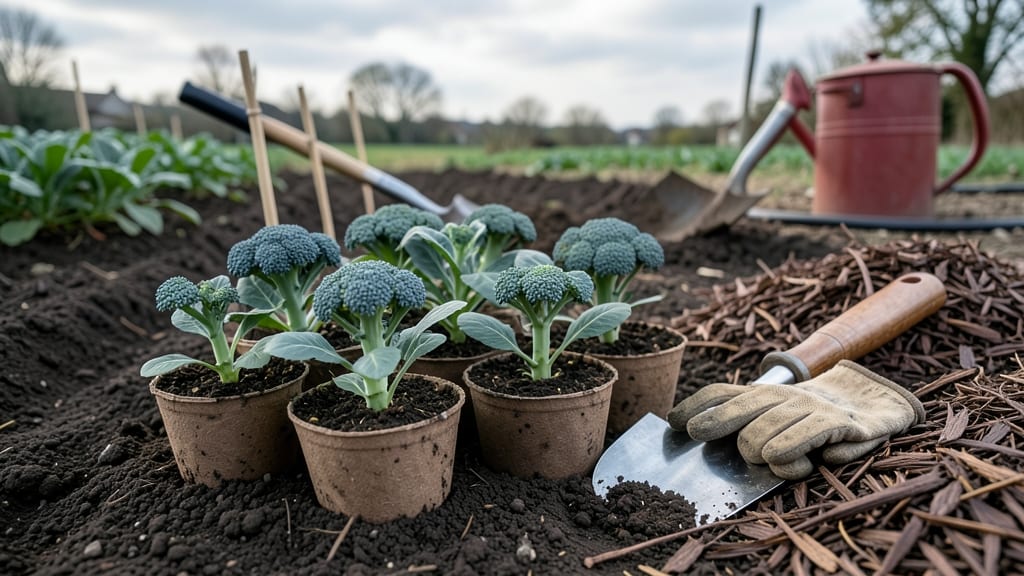
Timing your 🥦 broccoli planting in North Texas can make or break your harvest—get it wrong, and you’ll either face bolting heads or frost-nipped plants before they mature.
The key isn’t just following generic planting charts but adjusting for USDA zones 7b-8a, where heat arrives early and winters can be unpredictable.
Most gardeners know spring and fall are the sweet spots, but in North Texas, those windows shrink fast. Plant too early in February, and your broccoli might bolt before the last frost date (usually mid-March).
Wait too long into April, and the summer heat will turn your lush heads into bitter, flowery stalks.
What if I told you the perfect planting dates vary by county? Dallas County’s schedule differs from Tarrant’s, and Collin’s microclimate demands even finer adjustments.
We’ll break down the exact weeks to sow seeds or transplant starts—plus how to stretch your growing season with shade cloth and heat-tolerant varieties like ‘De Cicco.’
Skip the guesswork and learn how to align your broccoli’s growth cycle with North Texas’ 180-210 frost-free days, ensuring a steady supply from May through November. Ready to master the timing?
North Texas broccoli planting zones: exact dates by county to prevent bolting
North Texas gardeners face a short cool season that demands precise timing for broccoli success. The last spring frost typically hits mid-March, while the first fall frost arrives around mid-November. This leaves just 180-210 frost-free days—enough for two growing seasons if you plan carefully.
Broccoli thrives in USDA zones 7b-8a, but North Texas' heat sensitivity means planting too early risks premature bolting (flowering), while planting too late risks frost damage. The solution? County-specific planting windows that align with local microclimates.
For example, Dallas County has a slightly longer growing season than Tarrant County due to urban heat island effects.
Below is a county-by-county breakdown of optimal planting dates, accounting for soil temperature thresholds (ideal: 40-85°F) and heat tolerance. Always plant 4-6 weeks before the last frost for spring crops and 90-100 days before the first frost for fall harvests.
| County | Spring Planting Window | Fall Planting Window | Key Notes |
|---|---|---|---|
| Dallas | Late February - Early April | Mid-August - Early September | Urban heat delays spring; use shade cloth if planting early. |
| Tarrant | Early March - Mid-April | Late July - Late August | Drier soil; mulch heavily to retain moisture. |
| Collin | Mid-February - Early April | Early August - Early September | Cooler microclimate; extends spring window by 2 weeks. |
| Denton | Late February - Early April | Mid-August - Early September | Higher elevation; plant 1 week later than Dallas. |
| Ellis | Early March - Mid-April | Late July - Late August | Drier conditions; prioritize irrigation. |
*Adjust dates 1-2 weeks based on local frost records. Check Almanac's Frost Calculator for your exact ZIP code.
For direct sowing, aim for soil temperatures below 75°F—any hotter, and seeds may fail to germinate. In Dallas and Tarrant Counties, this often means waiting until late March for spring or early August for fall.
However, transplanting seedlings (purchased from nurseries) gives you more flexibility, as they tolerate slightly warmer soil.
Pro tip: Use a soil thermometer to monitor temperatures. Broccoli seeds need 40-85°F soil to germinate properly. If your soil runs hotter, opt for shade cloth (30-50% coverage) during the hottest afternoon hours to protect young plants from heat stress.
North Texas' summer heat (often exceeding 95°F) makes mid-season planting risky. Instead, focus on early spring and late summer windows. For example, planting in early September ensures harvests before the first frost in November.
Use heat-tolerant varieties like 'De Cicco' or 'Waltham 29' to push your fall window slightly later.
Always account for succession planting—sow new seeds every 2-3 weeks during your optimal window to ensure a continuous harvest. In North Texas, this means 3-4 planting batches in spring and 2-3 in fall, depending on your county's frost dates.
Monitor local weather forecasts for unpredictable cold snaps, especially in March and November. Use row covers or cold frames to extend your growing season by 2-3 weeks in both spring and fall. This simple trick can turn a failed crop into a bountiful harvest.
Remember: Broccoli is a cool-season crop, and North Texas' short growing window demands precision. By following these county-specific dates and adjusting for local conditions, you’ll avoid the two biggest mistakes: bolting from heat and frost damage.
With the right timing, you’ll enjoy homegrown broccoli from May to November.
How to adjust planting dates for North Texas’ unpredictable weather patterns
North Texas’ hot summers and unpredictable springs can derail even the best-laid broccoli planting plans. The key is adapting to soil temperatures and heat spikes—broccoli bolts when days exceed 75°F (24°C) for more than a few hours.
I’ve learned to use shade cloth and succession planting to stretch the growing season beyond the ideal windows.
For spring plantings, wait until soil temps stay below 60°F (15°C) at a 4-inch depth. Use a soil thermometer—this is critical in North Texas, where March can swing from 40°F (4°C) to 80°F (27°C) in a week.
I plant my first batch in late February under 30% shade cloth to delay bolting.
For fall plantings, aim for mid-August to early September, giving plants 90 days to mature before frost. I’ve had success with 'Waltham 29', which tolerates light frosts better than most varieties. If your area gets early frosts, opt for shorter-day varieties like 'Green Gems'.
Extend your harvest with succession planting: sow seeds every 2 weeks from March to May, and again from August to September. This ensures a steady supply while accounting for North Texas’ variable weather.
I’ve also used row covers to protect seedlings from late-spring freezes or summer heat waves.
Monitor your local microclimate—urban areas like Dallas can be 5°F (3°C) warmer than rural Collin County. Adjust planting dates accordingly. For example, if your yard stays 10°F warmer than the county average, push back spring plantings by 1-2 weeks.
Finally, water deeply in the evening to help roots stay cool. Mulch with straw or wood chips to maintain even soil temps. With these adjustments, you can grow broccoli successfully even in North Texas’ challenging climate.