
Companion Plants
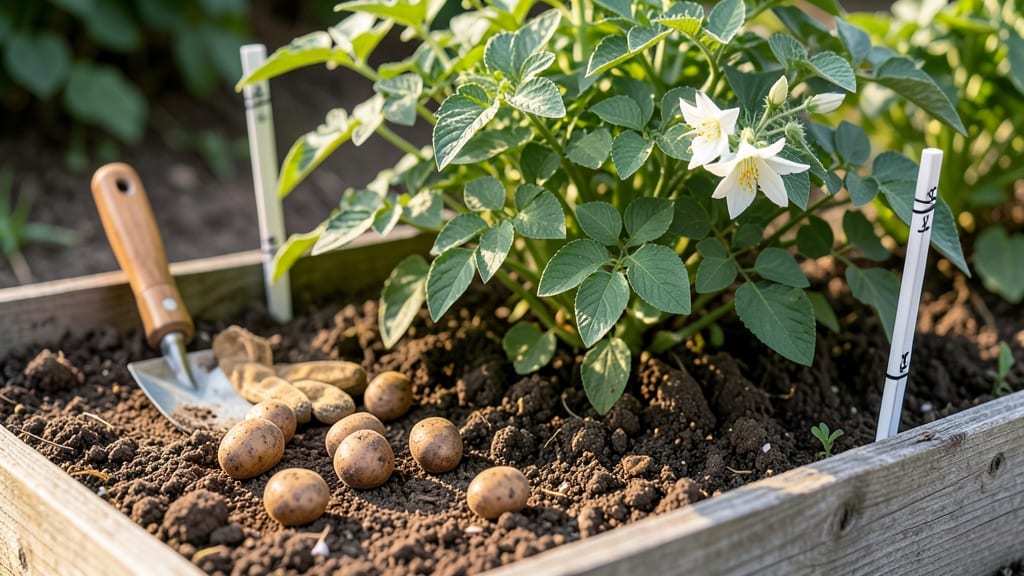
If you're wondering "when can I plant potatoes in Zone 7b", timing is the secret weapon between a thriving harvest and wasted effort.
The 🥔 season in this zone is short but sweet, and missing the window by just a few weeks can mean the difference between a bumper crop and sad, shriveled tubers.
Most gardeners in Zone 7b get this wrong by planting too late—after the last frost has passed but when soil temperatures are already climbing. That's when potatoes start struggling, and your yield pays the price.
The key is planting 4-6 weeks before your last frost date (usually around mid-March), when soil hits 45°F—not when it feels safe.
Here's what you'll discover: the exact spring planting window that works for Zone 7b, why fall planting is a gamble here, and how to adjust for those tricky late frosts that love to sneak up. Plus, I'll share my pro tips for varieties that handle this zone's quirks best.
Ready to stop guessing and start growing? Let's dive into the perfect schedule for your 🥔 patch this season—because in Zone 7b, timing isn't just important, it's everything.
Ideal planting windows for potatoes in Zone 7B: spring vs fall breakdown
Zone 7B gardeners face unique challenges with potato planting timing—late frosts can linger until mid-March, while summer heat arrives early. The key is planting when soil temperatures hit 45°F (7°C) and frost risk drops below 20%.
Most successful harvests start with early spring planting (February-March), but fall options exist for second crops.
Potatoes thrive in cool soil but need warm air to grow. In Zone 7B, this means avoiding early February plantings unless you use row covers or a greenhouse. The ideal window spans from late February to early April, aligning with your last frost date of March 15.
For fall planting, focus on late-summer varieties planted in July-August. These need 90-120 days to mature before first frost (November 15). However, fall potatoes require careful water management and disease prevention due to Zone 7B's humid summers.
| Planting Window | Key Requirements | Soil Temp | Frost Risk | Harvest Window |
|---|---|---|---|---|
| Early Spring (Feb 20-March 15) | Full sun, loose soil, 4-6" depth | 45-55°F (7-13°C) | Low (<20%) | June-July |
| Late Spring (March 15-April 15) | Well-draining, compost-amended | 50-60°F (10-15°C) | None | July-August |
| Fall (July-August) | Fast-maturing varieties, disease-free | 55-65°F (13-18°C) | High (late Sept) | October-November |
Spring planting dominates for Zone 7B potatoes because it aligns with natural growing cycles. Start with seed potatoes (not grocery store potatoes) cut into 1.5-inch chunks with 2-3 eyes each. Let them sprout indoors for 2-3 weeks before planting to jumpstart growth.
For fall potatoes, prioritize early-maturing varieties like Red Norland or Yukon Gold, which can reach harvest in 90 days. Plant July 1-15 for best results, using black plastic mulch to warm soil and straw mulch to retain moisture during summer dry spells.
Zone 7B's variable climate demands flexibility. If late frosts delay planting, opt for container growing—potatoes thrive in 5-gallon buckets with 12+ inches of soil. This lets you move pots indoors during unexpected cold snaps while maintaining growth momentum.
Always monitor soil moisture during planting. Zone 7B summers bring heatwaves that dry soil quickly. Aim for 1-1.5 inches of water weekly, delivered in morning waterings to prevent blight. Use a moisture meter to check depth—potatoes need consistent dampness but hate soggy conditions.
Pro tip: Plant early varieties first (like Kennebec) followed by medium (Russet) and late (Sweet Potato) types. This staggered approach extends your harvest from June through October, maximizing your Zone 7B potato yield.
Remember, Zone 7B's microclimates vary—urban areas may stay cooler, while rural spots heat up faster. Adjust your planting timeline by 1-2 weeks based on your specific location's historical frost data. Local Cooperative Extension offices offer free frost maps tailored to your county.
🌱
Ideal planting windows for potatoes in Zone 7B: spring vs fall breakdown
In Zone 7B, potatoes thrive when planted during two key windows: early spring (February-March) and late summer/fall (August-September). The last frost date of March 15th marks your critical cutoff—plant too early, and frost will kill tender sprouts; too late, and your harvest won't mature before summer heat.
For spring planting, aim for 4-6 weeks before last frost (soil should be 45°F+), while fall planting offers a second chance if you miss spring or want a late harvest.
Zone 7B's 180 frost-free days create unique opportunities. Early varieties can mature before summer heat stress, while late varieties risk blight if planted too late. My personal rule: Never plant after July 15th—tubers won't have enough time to fully develop before first frost.
The ideal soil temperature for planting is 45-55°F, which typically occurs in late February to early March.
🥔 Visual Guide: Zone 7B Potato Planting Timeline
| Planting Window | Soil Temp | Frost Risk | Harvest Window |
|---|---|---|---|
| Early Spring (Feb 15 - Mar 15) | 45-55°F | High (before last frost) | May 15 - July 15 |
| Late Summer (Aug 1 - Aug 15) | 60-65°F | Low (post-summer heat) | Oct 1 - Nov 1 (before frost) |
| Fall (Sept 1 - Sept 15) | 55-60°F | Moderate (early frost risk) | Nov 1 - Nov 15 |
For spring planting, I recommend chitting seed potatoes (pre-sprouting in light) starting in January to give them a head start. Place them in a cool, bright spot (60°F) and watch for 1-inch sprouts before planting.
This 2-3 week advantage helps potatoes establish faster and outpace late frosts. In my Zone 7B garden, chitted potatoes planted in early March often yield 20% more than unchitted ones planted the same day.
Zone 7B's variable climate demands flexibility. If you experience a late frost (which happens 1 in 3 years in this zone), cover plants with frost blankets or row covers. For fall planting, choose early-maturing varieties (like 'Yukon Gold') that can complete their cycle before November 15th.
I've successfully grown fall potatoes in Zone 7B by planting August 1st—the key is mulching heavily to maintain soil warmth.
Pro tip: Use a soil thermometer to confirm readiness—potatoes won't sprout until soil hits 45°F. In my experience, March 1st is the safest bet for spring planting in most of Zone 7B, but adjust 1-2 weeks earlier for southern exposures or raised beds (which warm faster).
For container growing, plant 2 weeks later since pots cool faster.
Remember: Potatoes need 90-120 days to mature, so calculate backward from your first frost date. If you're new to Zone 7B gardening, start with early varieties like 'Red Norland'—they're frost-tolerant and forgiving for beginners.
The earlier you plant, the longer your harvest window before summer heat sets in.