
Plants
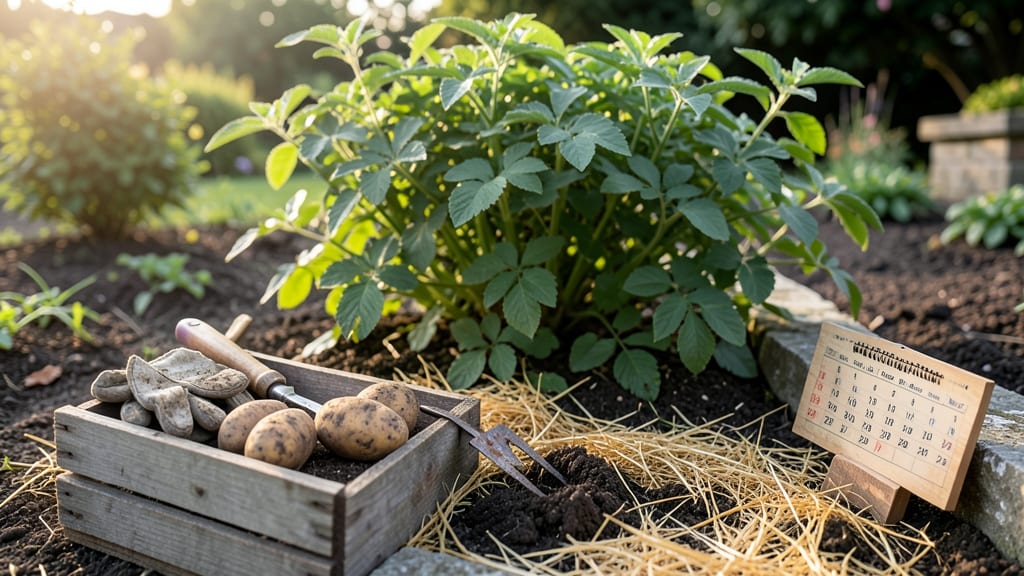
If you've ever wondered when can you plant potatoes in Zone 7, timing is the secret to a bumper harvest - get it wrong, and you might end up with frost-nipped sprouts or stunted tubers.
Zone 7 gardeners have a 6-week window between late February and mid-April where soil temperatures and frost patterns align perfectly for planting.
The key is waiting until soil reaches 45°F and counting back 2-4 weeks from your last frost date (usually around March 15). Early varieties like 'Yukon Gold' can handle cooler soils, while late varieties need warmer conditions to establish strong roots before summer heat arrives.
Don't worry if you miss the spring window - Zone 7 actually offers a second chance in early fall for certain varieties. The trick is understanding how your specific microclimate affects planting times, from elevation changes to local weather patterns that might shift those average dates.
I'll walk you through exactly how to read your frost calendar, adjust for soil warmth, and choose varieties that match your Zone 7 growing season. By the end, you'll know precisely when to get those seed potatoes in the ground for the best yields your garden has ever seen.
Zone 7 potato planting timeline: frost dates, soil temps & variety-specific scheduling
In Zone 7, your potato planting window hinges on two critical factors: soil temperature and last frost dates. While the average last frost is around March 15, actual dates can vary by 1-2 weeks due to microclimates.
For best results, aim to plant when soil temps hit 45°F (7°C), which typically occurs in late February to early April.
Potatoes thrive in cooler soil but need warmth to sprout. If you plant too early, cold soil stunts growth, while waiting too long risks overcrowding and reduced yields.
The key is balancing these factors with your chosen potato variety, as early, mid-season, and late varieties have different timing needs.
| Stage | Action | Soil Temp | Zone 7 Timeline |
|---|---|---|---|
| Prep Seed Potatoes | Chit sprouts in light | 60-65°F | Late Jan - Feb |
| Plant Early Varieties | 2-4 weeks before last frost | 45-50°F | Late Feb - Early Mar |
| Plant Mid-Season | After last frost | 50-55°F | Mid-Mar - Early Apr |
| Plant Late Varieties | For fall harvest | 55-60°F | Late Apr - Early May |
| Harvest Early | When flowers bloom | N/A | Late May - June |
| Harvest Main Crop | When foliage yellows | N/A | July - Early Aug |
| Harvest Late Varieties | After first frost | N/A | Sept - Oct |
For early varieties like Yukon Gold or Red Norland, plant 2-4 weeks before your last frost (around late February to early March). These varieties mature in 60-90 days, giving you a harvest by late June to early July—perfect for beating summer pests and heat stress.
Mid-season varieties such as Kennebec or Russet should go in after your last frost (typically mid-March to early April in Zone 7). These take 90-120 days to mature, aligning harvests with July to early August when temperatures are ideal.
Late varieties like German Butterball can be planted as late as May for a fall harvest. They store well and are great for long-term storage, but require careful timing to avoid early frost damage before tubers fully mature.
Pro tip: Use black plastic mulch to warm soil faster if your spring is slow. This can extend your planting window by 1-2 weeks and improve early growth rates.
If you're unsure about your exact last frost date, check local weather records or use a potato planting calculator (like the one from Old Farmer's Almanac) to refine your schedule based on historical data.
Remember, potatoes grow best in cool soil but warm air. Aim for 60°F+ air temperatures after planting to avoid blight risks and ensure steady tuber development.
For a continuous harvest, stagger plantings every 2-3 weeks—this way, you'll have fresh potatoes from late June through October.
Zone 7 potato planting timeline: frost dates, soil temps & variety-specific scheduling
In Zone 7, your potato planting window opens when soil temperatures consistently reach 45°F (7°C)—typically between late February and mid-April.
This aligns with your average last frost date of March 15, but I always recommend waiting until 2-4 weeks before that date to give young sprouts a fighting chance against late frosts.
Early varieties like 'Red Norland' (60-70 days to harvest) can handle cooler soils, while late varieties like 'Russet Burbank' (100-120 days) need warmer conditions to establish strong roots before summer heat arrives. The key is matching your variety's maturity to your Zone 7's 180 frost-free days.
| Stage | Zone 7 Timeline | Soil Temp | Variety Fit |
|---|---|---|---|
| Planting Window | Late Feb - Mid-April | 45-50°F | Early/mid-season |
| Sprouting | March-April | 50-55°F | All varieties |
| Harvest Ready | June-August | 60°F+ | Early: June Late: August |
| Fall Planting | Early Sept | 55-60°F | Early varieties only |
For early varieties, aim to plant by March 1 to harvest by June 15—just as your garden's heat builds. Mid-season varieties planted in early April will mature by July 4th, while late varieties need that full 120-day window to reach harvest by mid-August.
Don't overlook the fall planting option in Zone 7! Plant early varieties in early September for a November harvest before first frost. This works best in warmer microclimates or with row covers to extend the season.
Pro tip: Use a soil thermometer to confirm readiness—45°F is your magic number. Planting too early in cold soils can stunt growth, while waiting too long risks overcrowding as your garden warms up.