
Plants
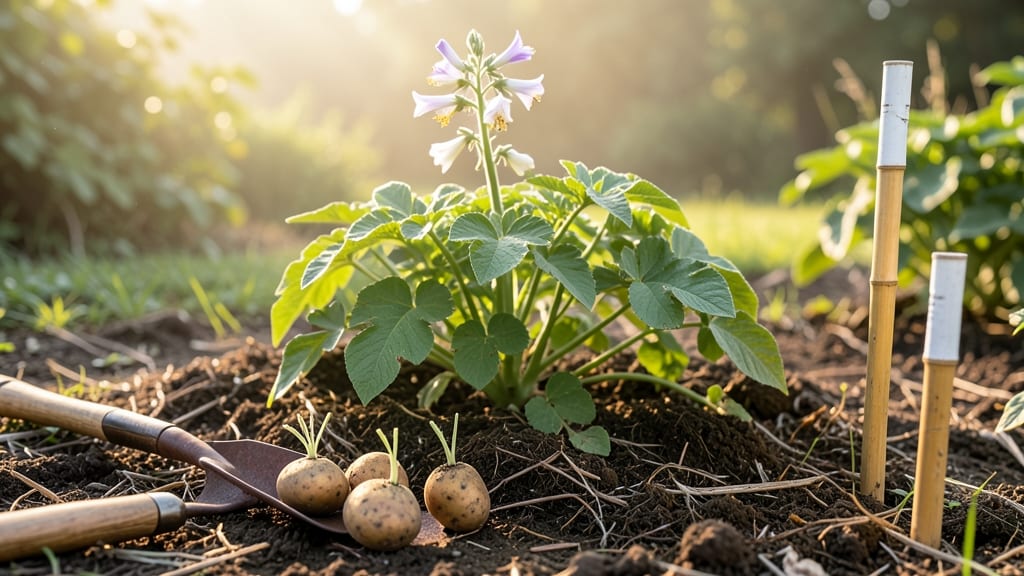
Virginia’s ideal fall potato planting window by soil temperature (not calendar date)
Forget guessing by the calendar—Virginia’s fall potato planting success hinges on soil temperature, not dates. Potatoes need consistent warmth (50–70°F) to sprout and grow, but cooler soils slow them down.
In Virginia’s USDA zones 6a–8a, this means planting late August through early October, but exact timing shifts between Piedmont and Coastal regions.
Cooler Piedmont soils (Zone 6a) may need a later start (late August) to reach ideal warmth, while warmer Coastal areas (Zone 7a–8a) can plant until early October. The key? Soil must stay above 50°F for 4–6 weeks post-planting to avoid rot and ensure tubers form properly.
Here’s the critical rule: Plant when your soil hits 50°F at 4 inches deep—this is your go signal. If you’re unsure, use the hand test: Stick your hand in the soil for 10 seconds.
If it feels cool but not freezing, it’s ready. Too cold? Wait a week.
Why soil temperature over dates? Calendar-based planting often leads to early frosts ruining young tubers or late harvests that rot in damp soil. Virginia’s microclimates (mountains vs. coast) can vary by 2–3 weeks in frost timing, making soil checks non-negotiable.
🌱
Virginia Fall Potato Planting by Soil Temp & Region
| Region | USDA Zone | Ideal Soil Temp | Planting Window | Harvest Window |
|---|---|---|---|---|
| Piedmont (e.g., Charlottesville) | 6a–7a | 50–60°F | Late August–Early Sept | Oct 15–Nov 1 |
| Coastal (e.g., Norfolk) | 7b–8a | 55–70°F | Early Sept–Early Oct | Oct 30–Dec 1 |
| Valley (e.g., Roanoke) | 6b–7a | 50–65°F | Mid-August–Late Sept | Oct 1–Nov 15 |
🌡️ Pro Tip: Use a soil thermometer ($10) for accuracy, or bury a meat thermometer 4" deep for 10 mins.
If you’re planting in containers or raised beds, soil warms faster—aim for 55°F instead of 50°F. These setups also dry out quicker, so mulch with straw or grass clippings to retain moisture and warmth.
Avoid plastic mulch; it traps too much heat and can cook the tubers.
One common mistake is planting too deep (below 6 inches) to "protect" from frost. This delays sprouting and reduces yields. Stick to 4–6 inches deep, with 12 inches between rows for airflow. In sandy soils (common in Coastal VA), add compost to hold moisture longer.
For organic gardeners, mix in well-aged manure or worm castings at planting to boost soil warmth naturally. Synthetic fertilizers can overheat soil, stressing young plants. If your soil feels cold or compacted, till in leaf mold or pine needles to improve structure and warmth retention.
💧
Test your soil’s drainage before planting: Dig a 12-inch hole, fill it with water, and time how long it takes to drain. If it’s still wet after 6 hours, amend with sand or perlite.
Waterlogged soil leads to rotten tubers, even with perfect timing. In clay-heavy Piedmont soils, this is a critical step.
Remember: Fall potatoes thrive on routine. Once planted, maintain consistent moisture (1 inch per week) and mulch heavily to keep soil temps stable. Skip the calendar guesswork—your soil thermometer is your best friend this season.
How to time fall potatoes for frost avoidance without wasting seed stock
Timing your fall potato planting in Virginia isn’t about guessing dates—it’s about predicting frost. The key is planting 4-6 weeks before your region’s first frost, but with Virginia’s USDA zones 6a-8a and microclimates, that window varies.
For example, Zone 6a (Piedmont) needs potatoes in the ground by early October, while Zone 7a (Coastal) can wait until mid-October. Use these 30-year frost averages as a baseline, but always check local weather forecasts for adjustments.
Start by calculating your harvest window. Potatoes need 90-120 days to mature, so if your first frost is October 15 (Zone 6a), plant by July 15 at the latest. However, planting too early risks tuber rot from prolonged soil warmth.
Aim for late August to early September—this gives tubers time to bulk up before cooler weather sets in, while avoiding the humidity risks of late summer.
🌱Pro Tip: Use a soil thermometer to confirm 50-70°F soil temps before planting. If your soil is cooler than 50°F, wait—cold soil slows sprouting and increases disease risk. In Virginia’s Piedmont region, soil temps drop faster than in Coastal areas, so adjust your timing accordingly.
Miss your frost window? Don’t panic—extend your harvest by using row covers or straw mulch to insulate tubers. These methods can push your harvest back by 2-3 weeks, but avoid planting after mid-October—tubers won’t mature before winter.
For Zone 8a gardeners, you might even squeeze in a late October planting for a spring harvest, but this requires extra insulation during dormancy.
🌡️Warning: If your first frost arrives early (like in 2023’s October freeze), prioritize harvesting mature tubers first. Leave smaller tubers in the ground—they’ll shrink but won’t rot if soil stays above 32°F. Dig them up 2 weeks post-frost for a secondary harvest.
Plan ahead by marking your planting and harvest dates on a calendar. For Virginia’s fall potatoes, the sweet spot is late August to early September—this ensures you avoid early blight (common in humid summers) and frost damage while maximizing your storage-worthy yield.
Start testing your soil temperature in July to be ready!