
Flowers
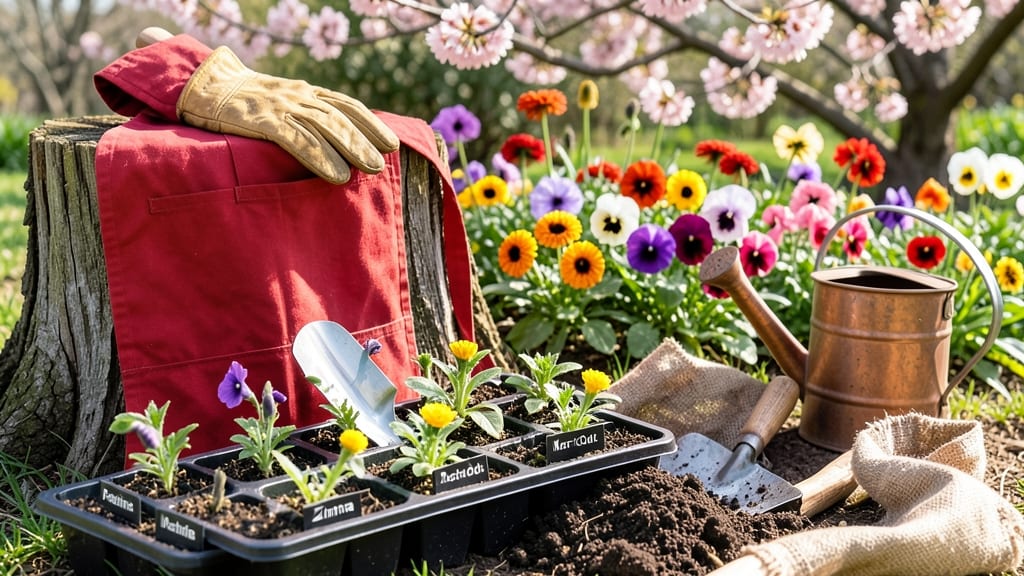
Spring flower planting timeline in Connecticut: avoiding late frost risks
Timing your flower planting in Connecticut is all about beating the last frost—typically around mid-April for most regions. However, coastal areas like New Haven or Groton often warm up 1-2 weeks earlier than inland spots like Hartford or Waterbury.
This regional difference means your spring planting window could shift from late April to mid-May, depending on where you live.
For annual flowers like petunias or marigolds, wait until the soil temperature consistently stays above 60°F—usually by May 1st in most of CT.
Perennials like black-eyed Susans or coneflowers are hardier and can handle cooler soils, so they can go in as early as April 15th if the ground isn’t frozen.
🌱
If you’re unsure about frost dates, use the 50°F nighttime temperature rule—most flowers can handle a light frost if temperatures stay above this threshold. For extra protection, cover tender plants with frost cloth or row covers until mid-May.
This is especially critical for tropical annuals like impatiens or begonias, which won’t survive even light frosts.
For a longer bloom season, consider planting fast-growing annuals like bachelor’s buttons or larkspur in early May. These varieties tolerate cooler soils and will fill in gaps left by slower-growing spring flowers.
Just be prepared to replace them if a late frost hits—it happens more often than you’d think in CT!
🌿
Pro tip: Check the CT Agricultural Experiment Station’s frost data (updated annually) or use a soil thermometer to confirm conditions. I’ve had years where May 1st was still too early, and others where April 20th worked perfectly. The key is flexibility—adjust based on your microclimate and last year’s patterns.
Another strategy? Plant cool-season flowers like pansies or snapdragons in early spring (March-April) for early blooms, then transition to heat-loving annuals once the risk of frost passes. This two-phase approach ensures continuous color from April through October.
🌸
Don’t forget to amend your soil before planting—CT’s clay-heavy soils benefit from a mix of compost and sand to improve drainage. I add a slow-release fertilizer at planting time to give flowers a nutrient boost without risking over-fertilization.
Overwatering in spring is another common mistake; aim for 1 inch of water per week and adjust based on rainfall.
For container gardening, use heat-retentive pots (like terracotta) to warm soil faster, and place them in south-facing locations to maximize sunlight. If you’re in a shadier microclimate, opt for partial-shade flowers like coleus or impatiens, which thrive in 4-6 hours of sun.
Finally, keep an eye on the 10-day forecast before planting. A cold snap predicted for May 5th might delay your marigold planting by a week—better safe than sorry! With these tips, you’ll avoid the heartbreak of frost-nipped blooms and enjoy a vibrant, long-lasting flower garden.
Fall planting advantages for Connecticut gardens: extending bloom seasons
Fall planting often gives Connecticut gardeners the edge they need to beat spring’s unpredictable frosts. While spring planting races against late frost risks, fall offers cooler soils and established roots before winter dormancy. This strategy lets cool-season flowers thrive when spring-planted varieties might struggle.
Timing is everything: aim to plant 6-8 weeks before your region’s first frost date (typically late August to early September in CT). This window allows roots to establish while avoiding winter’s harshest cold. Pansies, snapdragons, and asters are classic fall winners.
🌱 Why fall planting works better: Cooler air reduces stress on young plants, and moist soil retains warmth longer. Plus, fewer pests target fall gardens compared to spring’s peak activity.
- 📅 Extended bloom seasons: Fall-planted pansies and snapdragons often flower until snowfall.
- 🌡️ Cooler soil temps: Reduces transplant shock for heat-sensitive perennials like dahlias.
- 🐛 Fewer pests: Slugs and aphids are less active in fall than spring.
Prepare your soil by amending it with compost or aged manure 2-3 weeks before planting. This boosts organic matter, which warms up faster in spring. For container gardens, use well-draining mixes with perlite to prevent waterlogging.
🌿 Top fall flowers for CT: Black-eyed Susans, Russian sage, and chrysanthemums all handle fall’s chill. Even tulip bulbs planted in fall bloom earlier the next spring. Just avoid tropical annuals like geraniums, which won’t survive CT winters.
After planting, mulch with straw or shredded leaves to insulate roots. Water deeply but reduce frequency as temps drop—aim for 1 inch per week in fall. This mimics natural rainfall patterns and prevents fungal issues.