
Plants
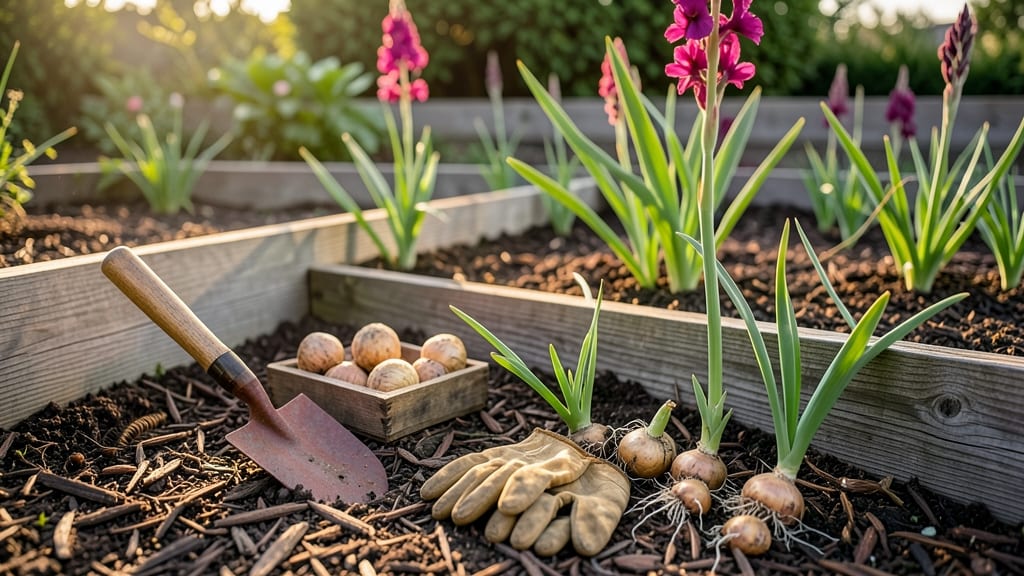
Planting gladiolus bulbs in Tennessee at the wrong time can mean the difference between showstopping summer blooms and wilting disappointment—especially when spring heat arrives earlier than expected.
If you’ve ever wondered why some gardeners get vibrant 🌱 gladiolus displays while others struggle, timing is the key. Tennessee’s unpredictable climate—especially in USDA Zones 6-7b—demands a strategy that accounts for soil warmth, frost risk, and early summer heat.
I’ll walk you through the exact window for planting these dramatic flowers, plus heat tolerance tricks to keep your gladiolus thriving even when temperatures climb. Whether you’re in East Tennessee’s cooler hills or the hotter West, these insights will help you avoid common pitfalls.
Ready to unlock bold summer blooms? Let’s dive into the best months, soil prep secrets, and regional adjustments that make all the difference for your gladiolus.
Best planting window for Tennessee gladiolus bulbs: avoid spring heat zones
Timing your gladiolus bulbs in Tennessee isn’t just about avoiding frost—it’s about dodging the state’s infamous spring heat spikes. Unlike cooler climates, Tennessee’s USDA Zones 6-7b can swing from freezing nights to 90°F days by May, making early planting risky.
The key? Wait until the soil warms to 60-65°F and the last frost has passed, but don’t delay too long or your blooms may arrive when summer’s heat is already relentless.
In East Tennessee (higher elevations like Knoxville), aim for mid-April to early May when frost risk drops below 10%. Meanwhile, Middle Tennessee (Nashville area) and West Tennessee (Memphis) can plant safely from late April through early June, but bulbs planted after mid-May may bolt prematurely or produce weak stems.
Use your local Cooperative Extension Service frost data as your guide—it’s more reliable than guessing by the calendar.
Here’s the critical rule: Plant gladiolus bulbs when your soil thermometer reads 60°F+ at 4-inch depth. This ensures roots establish before summer’s heat stress kicks in. For container growers, warm up pots in a sunny spot for 3-5 days before transplanting to mimic field conditions.
Pro tip: If your soil stays cool into June, opt for heat-tolerant varieties like ‘Green Star’ or ‘Picasso’—they handle delayed planting better than delicate whites or pinks.
🌱
| Tennessee Region | Optimal Planting Window | Soil Temp Threshold | Frost Risk Note |
|---|---|---|---|
| East TN (Zone 6b) | Mid-April to early May | 60-65°F at 4" | Last frost: ~April 15 |
| Middle TN (Zone 7a) | Late April to late May | 60-65°F at 4" | Last frost: ~April 1 |
| West TN (Zone 7b) | Early May to early June | 60-65°F at 4" | Last frost: ~March 15 |
If you’re in Zone 7b (like Memphis), don’t rush to plant before late April—soil stays cool longer, and bulbs need warmth to sprout. Test your soil with a digital thermometer for 3 days in a row before committing.
For container gardening, pre-warm pots by placing them on black plastic mulch or a heat mat for 48 hours to jumpstart growth. This trick is especially useful if you’re planting in May, when summer’s heat can overwhelm newly transplanted bulbs.
Watch for soil workability too: Press your finger into the ground—if it feels like packing snow (not crumbly), wait another week. Overly wet soil leads to rot-prone conditions, while dry soil stresses bulbs before they’ve rooted.
Aim for loamy, well-draining soil with a pH of 6.0-6.5. If your garden soil is heavy clay, amend it with compost and perlite at least 2 weeks before planting to improve drainage.
One common mistake Tennessee gardeners make is planting gladiolus bulbs too early in hopes of earlier blooms. But bulbs planted in March or early April often rot during unpredictable cold snaps or produce weak stems that flop in summer humidity.
Instead, prioritize root establishment over bloom timing—healthy roots mean stronger stems and bigger blooms later. For a longer bloom season, stagger plantings every 2 weeks from May through June.
For cut flower production, plant bulbs in early May to ensure blooms arrive in July-August, when demand for fresh-cut glads peaks. If you’re growing for drought-tolerant landscapes, choose semi-dwarf varieties (3-4 feet tall) like ‘White Wings’—they handle Tennessee’s heat better than towering 6-foot types.
Always plant bulbs 4-6 inches deep, with the pointed end facing up, and space them 6 inches apart in rows.
🌿
Remember: Gladiolus bulbs are not perennial in Tennessee’s climate—they die back after frost. To preserve your favorite varieties, dig up bulbs after the first frost in fall, cure them in a dry, shaded spot for 2 weeks, and store them in a cool (40-50°F), dark place until next spring.
Label your bulbs by variety to avoid confusion when replanting. With the right timing, your gladiolus will reward you with bold, drama-filled blooms that outshine even Tennessee’s wild summer sunsets.
Heat tolerance tricks: how to outsmart Tennessee’s early summer scorcher
Tennessee’s spring heat can turn your gladiolus bulbs into sad, wilted stalks if you’re not careful. Unlike cooler climates, our early summer scorcher often arrives by June, forcing bulbs planted too early to bolt or scorch. The key? Strategic care that keeps roots cool while shoots soak up sun.
Start with mulching mastery. Apply 2-3 inches of organic mulch (straw or shredded leaves) immediately after planting to insulate soil. This isn’t just about moisture—it’s about temperature regulation. Mulch keeps soil 5-10°F cooler than exposed ground, preventing root stress during those 90°F+ days.
Next, time your shade cloth like a pro. For bulbs planted in April (Zone 6), use 30% shade cloth from late May through June. If you plant in early May (Zone 7b), switch to 20% shade cloth starting in early June.
Remove it by July—gladiolus need full sun to build flower buds.
Don’t overlook soil prep either. Amend your beds with composted pine bark (1 part bark to 2 parts soil) to improve drainage—gladiolus hate soggy roots. Test your soil’s pH: aim for 6.0-6.5.
If it’s higher, add sulfur; if lower, sprinkle lime. Balanced pH helps bulbs absorb nutrients efficiently during heat stress.
Finally, watch for heat stress signs: yellowing leaves, wilting despite moist soil, or buds that open too quickly (under 24 hours). These mean your plants are struggling. Adjust your shade cloth or watering immediately. With these tricks, your gladiolus will thrive through Tennessee’s summer instead of wilting.
Pro tip: Plant heat-tolerant varieties like ‘Green Star’ or ‘Picasso’—they handle our humidity better than traditional types. Pair them with marigolds** to repel thrips, a common summer pest in gladiolus beds.