
Planting
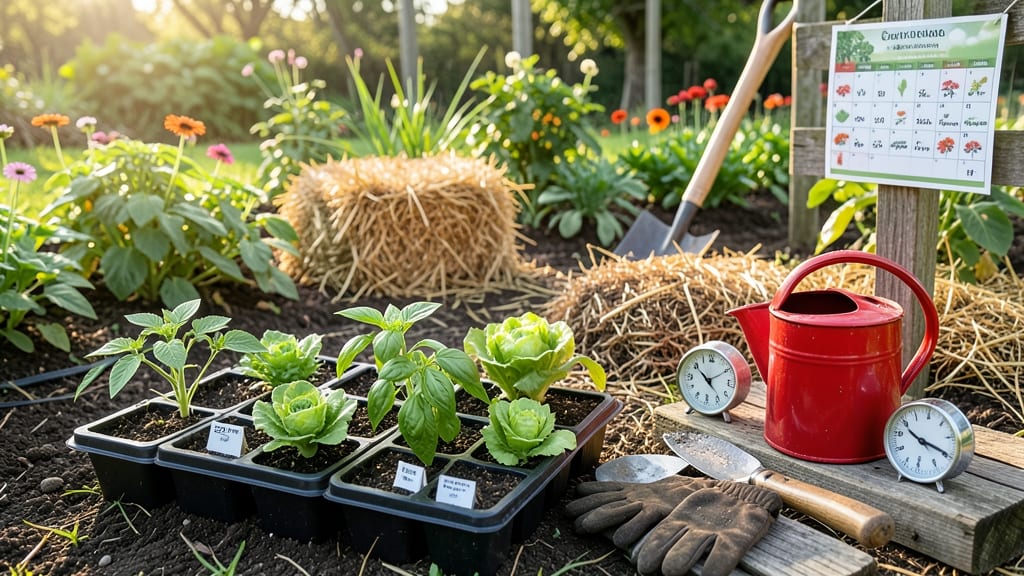
East Tennessee planting deadlines by elevation zone (2024 guide)
East Tennessee’s diverse elevations create three distinct planting zones, each with its own last frost dates and seasonal windows. Lowland areas (600–1,500 ft) enjoy earlier springs, while highland zones (3,000+ ft) often face delayed frost-free dates by weeks.
Knowing your zone ensures you plant tomatoes, peppers, and herbs at the perfect time for maximum yield.
For example, Chattanooga’s lowlands typically see their last spring frost around April 15, while Gatlinburg’s highlands might not clear frost until May 10 or later. These differences mean seedlings started indoors in late February could be ready for lowland gardens but too tender for highland elevations.
Let’s break down the exact deadlines for each zone.
🌱 Key Takeaway: Use your local USDA Zone (6a–7a) as a starting point, then adjust for elevation and microclimates (e.g., valleys vs. ridge tops). For precise timing, check the UT Extension’s frost date maps annually.
🌡️ East Tennessee Planting Deadlines by Elevation
| Zone | Avg. Last Frost | Spring Planting Window | Fall Planting Window | Notes |
|---|---|---|---|---|
| Lowland (600–1,500 ft) | April 10–15 | March 15–April 30 | August 15–September 15 | Warmest zone; plant heat-lovers like okra early. |
| Midland (1,500–3,000 ft) | April 20–May 5 | April 1–May 15 | August 1–September 10 | Moderate; ideal for tomatoes and peppers. |
| Highland (3,000+ ft) | May 10–20 | May 1–June 1 | July 15–August 15 | Coolest; focus on cold-hardy greens and herbs. |
📅 Pro Tip: Add 2–4 weeks to highland deadlines if your area is shaded or windy.
Now that you’ve got your elevation-based deadlines, let’s talk soil prep. East Tennessee’s clay-heavy soils (common in lowlands) and acidic mountain soils (highlands) need amendments like compost or pine bark to improve drainage and fertility.
For lowland gardens, aim to test soil pH in February and add lime if needed (ideal pH: 6.0–6.8 for most vegetables).
Highland gardeners should focus on organic matter like leaf mold or aged manure to retain moisture in well-draining soils. A 3-inch layer of mulch (straw or wood chips) helps regulate soil temperature, which is critical for delayed springs.
Start your soil prep in late winter—by March 1 for lowlands and April 1 for highlands—to give microbes time to break down amendments before planting.
For container gardening (popular in highland areas with rocky soil), use a fast-draining potting mix with 20% perlite or vermiculite. Containers warm up faster than soil, so you can plant cool-season crops like lettuce 2–3 weeks earlier than in-ground gardens.
Just be sure to harden off seedlings for 7–10 days before transplanting to avoid shock.
One common mistake? Planting too early based on air temperature alone. Always check soil temperature—most warm-season crops (like tomatoes and peppers) need 60°F+ soil, while cool-season crops (like kale and spinach) thrive in 40–50°F soil.
Use a soil thermometer ($10 at garden centers) to avoid disappointment.
🌿 Action Step: Mark your calendar for March 15 (lowlands) and April 1 (highlands) to start indoor seedlings for spring. For fall crops, begin outdoor transplants by August 1 to ensure harvest before first frost (typically October 15–30).
Finally, leverage local resources like the <
How to adjust planting times for east Tennessee’s mountain microclimates
East Tennessee’s dramatic elevation shifts—from the Chattanooga Valley’s 600-foot lowlands to the Great Smoky Mountains’ 6,000-foot ridges—create microclimates where planting windows can differ by weeks.
A garden in Knoxville (1,000 ft) might have a last frost by April 15, while one in Cades Cove (2,500 ft) could face frost until May 5. Understanding these shifts helps you extend seasons and protect seedlings from unexpected cold snaps.
Microclimates are shaped by slope, aspect (direction), and proximity to water. South-facing slopes warm faster, while north-facing ones stay cooler—critical for heat-loving tomatoes or cold-hardy kale. Valley floors often trap cold air, delaying spring planting by 10–14 days compared to ridge tops.
Use these adjustments to fine-tune your schedule and avoid wasted seed packets or stunted plants.
- Lowland (600–1,500 ft): Start cool-season crops (spinach, peas) by February 20; warm-season (tomatoes, peppers) after April 1.
- Midland (1,500–3,000 ft): Delay cool crops until March 1; warm crops after April 15.
- Highland (3,000+ ft): Wait until March 15 for cool crops; warm crops after May 1.
Use row covers or cold frames to push spring planting 2–3 weeks earlier in highland zones. For example, in Sevierville (2,000 ft), cover broccoli seedlings with floating row covers starting March 1 to protect them from late frosts.
Remove covers when daytime temps hit 70°F to avoid overheating. This trick adds 30–45 frost-free days to your season—critical for short-season crops like bush beans or radishes.
Choose cold-hardy varieties for high elevations. Swap standard tomatoes (which need 85°F+ to ripen) for ‘Mountain Merit’ tomatoes or ‘Stupice’ tomatoes, which tolerate 55°F nights and mature in 70 days.
Similarly, opt for ‘Early Girl’ lettuce (45 days) over Romaine (60 days) to ensure harvests before fall frosts. Check the UT Extension’s Plant Disease Clinic for elevation-specific recommendations.
Monitor local frost patterns using tools like the NOAA Climate Data Portal or Mountain Weather & Climate Center. Note that valleys like the Clinch River Valley can experience black frost (radiation frost) even when ridge tops stay above freezing.
Plant frost-sensitive crops (like basil or cucumbers) on ridge tops or south-facing slopes to avoid these cold pockets. Conversely, hardy perennials (e.g., lavender, Russian sage) thrive in highland gardens where summers stay cooler.
For fall planting, highland gardens have a longer window—August 15 to September 15—while lowlands must rush by September 1. Use succession planting to stretch harvests: Sow radishes every 2 weeks from April to August, or lettuce every 3 weeks from July to September.
In high elevations, protect late-season crops with low tunnels or straw mulch to delay frost damage until October 31 or later.
East Tennessee’s microclimates reward gardeners who adapt their timing. By matching your planting schedule to your exact elevation and slope, you’ll turn challenges into advantages—like growing tomatoes in June when lowland gardens are wilting under 95°F heat.
Start with these adjustments, and your garden will thrive year after year. 🌿