
Plants
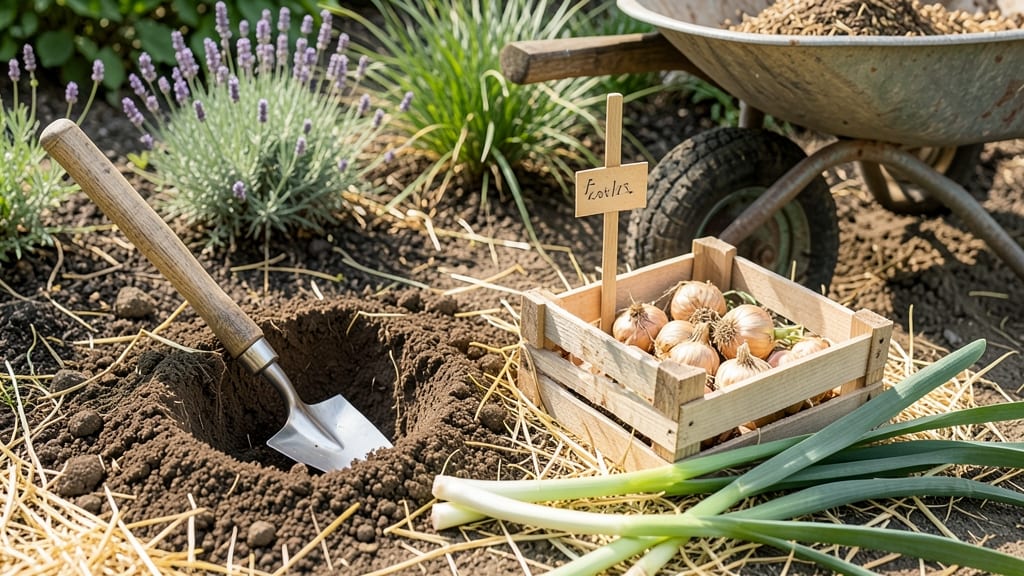
Planting your gladiolus bulbs at the wrong time in Pennsylvania can mean the difference between a garden bursting with color and a season of disappointment. These striking 🌱 flowers need precise timing to thrive in our state’s unpredictable climate—especially when last frost dates shift from year to year.
I’ve learned the hard way that rushing too early risks frost damage, while waiting too long can leave you with stunted blooms. The key? Planting when soil temperatures hit 60°F and the last frost has passed—but not so late that summer heat stresses the corms before they establish roots.
In this guide, I’ll break down the exact month-by-month planting windows for Pennsylvania’s USDA zones 5-7, plus soil prep secrets and care tips to ensure your gladiolus reach their full 5-6 foot height by summer’s end.
Whether you’re a first-time gardener or a seasoned pro, these insights will help you outsmart frost, heatwaves, and other Pennsylvania growing challenges—so you can enjoy vibrant blooms from July through fall.
Pennsylvania’s gladiolus planting calendar: exact months by hardiness Zone
Gladiolus bulbs (or corms) thrive in Pennsylvania’s USDA zones 5a-7a, but the exact planting window varies by zone due to frost risks. In Zone 5a, where late frosts linger until May 15-20, aim for late May to early June—any earlier and frost will kill tender shoots.
Meanwhile, Zone 7a gardeners can plant as early as mid-April, but heatwaves in July can stress plants if corms aren’t in the ground by early June.
Your last average frost date (check Almanac’s PA frost calculator) is your best guide. For Zone 6a/b, the sweet spot is mid-to-late May, balancing frost risk and summer heat. Plant too early, and frost zaps your corms; too late, and your glads bolt before blooming.
Here’s the zone-by-zone breakdown with frost-free probabilities and heatwave contingency tips:
For Zone 7a, early April planting is risky unless you use row covers for late frosts. In Zone 5a, waiting until June 1 ensures safety but may delay blooms until late summer. My personal rule: Plant when dandelions bloom—a natural PA frost indicator!
Heatwaves in July-August can cause bolting (premature flowering), so prioritize shade cloth or afternoon shade for late plantings. In Zone 6a/b, aim to finish planting by June 15 to avoid heat stress.
Gladiolus corms need 6-8 hours of sun daily, so choose a south-facing bed with well-draining soil. Amend clay soil with compost or sand to prevent rot—gladiolus hate soggy feet. After planting, water deeply to settle soil and mulch with straw to retain moisture.
If you miss the spring window, don’t despair! Fall planting (September-October) works in Zones 6-7 for late-season blooms. Just ensure corms are in the ground 6-8 weeks before first frost.
For container gardening, plant corms in well-draining pots with cactus/succulent mix and move containers indoors if frost threatens. Gladiolus in pots bloom 2-3 weeks later than in-ground plants but are frost-proof.
Remember: Timing is everything for gladiolus. Plant too early, and frost kills your corms; too late, and you’ll miss the summer-to-fall bloom window. Use this calendar as your PA-specific guide, and you’ll enjoy vibrant spikes of color from July through October.
5 Signs your Pennsylvania gladiolus planting timing is perfect (or disastrous)
Planting gladiolus bulbs in Pennsylvania isn’t just about picking a month—it’s about reading your soil, weather patterns, and plant health like a seasoned pro. One wrong move, and your corms could rot in cold soil or bolt in a heatwave.
Here’s how to tell if you’ve nailed the timing—or need to replant.
First, check your soil temperature. Gladiolus corms need soil that’s at least 60°F (15°C)—any cooler, and they’ll linger without sprouting. Stick a soil thermometer 2 inches deep; if it’s below this threshold, wait.
Cold soil delays growth and invites fungal diseases like botrytis, which can turn your blooms into a sad, mushy mess.
🌱