
Plants
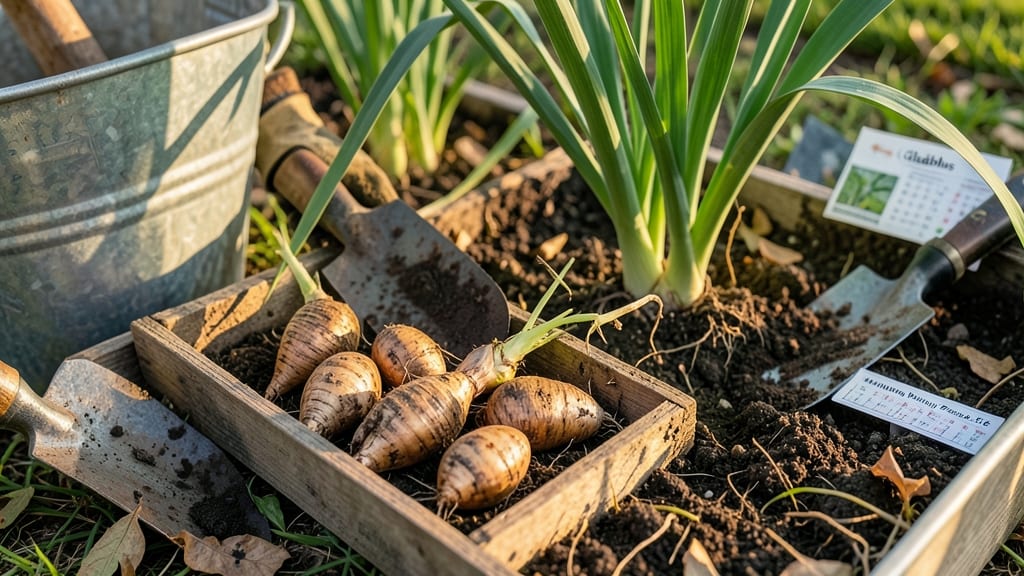
Timing when to plant gladiolus bulbs in Indiana can make the difference between a garden bursting with 🌸 blooms and one that barely breaks ground. Unlike some plants that forgive late starts, these showstopping flowers demand precision—especially in Zone 6a, where spring’s last frost lingers around April 15.
Most gardeners assume spring is the only window for planting, but Indiana’s microclimate heat zones actually create a 6-week sweet spot between mid-April and mid-May.
Plant too early, and cold soil can rot your bulbs; too late, and you’ll miss the 90-day growing window needed for those dramatic spikes to reach their full height. What sets successful Indiana gardeners apart?
They don’t just follow the calendar—they check soil temperature (aim for 60°F), adjust for regional variations (northern Indiana’s cooler pockets vs. southern Indiana’s warmer stretches), and prepare their planting beds with well-draining soil to prevent bulb rot.
In this guide, I’ll break down the exact weeks before last frost that work best for your location, plus pro tips to extend your gladiolus season—so you can enjoy July through September blooms that turn heads at every garden party.
Indiana’s gladiolus planting timeline by microclimate heat zones
Indiana’s USDA zones 5-7 create unique challenges for gladiolus planting. While most gardeners focus on last frost dates, soil temperature and regional microclimates play an equal role in determining the perfect planting window.
Northern Indiana’s Zone 5 often waits until late April, while Southern Indiana’s Zone 7 can start as early as mid-March. The key is planting when soil reaches 60°F—not just air temperature.
Gladiolus corms need consistent warmth to avoid rot, making early planting in cold soils a common mistake. In Indiana, this typically means waiting until 4-6 weeks after your average last frost date.
For most of the state, that falls between April 15 and May 15, but your exact location matters more than the calendar date. Let’s break down the ideal planting windows by zone with exact weeks before last frost.
🌱
| USDA Zone | Last Frost Date | Planting Window | Weeks Before Last Frost | Soil Temp Requirement |
|---|---|---|---|---|
| Zone 5 (Northwest IN) | April 25 | May 1-15 | 4-6 weeks | 60°F+ |
| Zone 6 (Central IN) | April 15 | April 20-May 10 | 4-5 weeks | 60°F+ |
| Zone 6b (Southwest IN) | April 10 | April 15-May 5 | 3-4 weeks | 60°F+ |
| Zone 7 (Southern IN) | March 25 | March 30-April 15 | 3-4 weeks | 55°F+ (earlier zones) |
Southern Indiana’s earlier planting window reflects both warmer soils and longer growing seasons. If you’re in Zone 7, you can even experiment with late February plantings in protected microclimates, but only if you use row covers or cold frames.
For most gardeners, sticking to the 4-6 week rule after last frost provides the safest results.
Northern Indiana gardeners should prioritize soil temperature over calendar dates. A soil thermometer (available for under $15) becomes your best friend—plant only when readings consistently hit 60°F at 4-inch depth. Cold, wet soils are gladiolus’ worst enemy, leading to rot and fungal diseases that can wipe out entire beds.
🌡️
Indiana’s microclimates create additional variations. Urban areas like Indianapolis often experience 2-3°F warmer soils than rural farmland due to heat retention from buildings. If you’re in a city garden, you might plant 1-2 weeks earlier than surrounding areas.
Conversely, low-lying areas or northern exposures may need delayed planting by 10-14 days.
For extended blooms, many Indiana gardeners practice staggered planting: divide your corms into three groups and plant each at 2-week intervals. This creates a 6-8 week flowering period instead of the usual 3-4 week burst.
In Indiana’s climate, this means your first group goes in late April, the second in early May, and the final group in mid-May.
✂️
Remember that gladiolus are not perennial in Indiana’s climate—they die back to their corms each winter. This means you’ll need to dig and store corms after first frost (typically October 20 in most zones).
However, if you’re growing hardy varieties like Gladiolus communis, you might get away with overwintering in Zone 6b/7 with heavy mulch, but this is not recommended for standard garden gladiolus.
How to adjust planting dates for Indiana’s unpredictable weather patterns
Indiana’s spring frost risks and soil temperature swings can throw off even the most experienced gardener’s planting schedule. Unlike predictable regions, Indiana’s USDA Zones 5-7 experience late frosts in April and unseasonable heat waves in May, which can stress young gladiolus corms.
The key? Flexibility—adjusting your planting window based on real-time conditions rather than relying on averages.
Start by monitoring soil temperatures with a simple soil thermometer. Gladiolus corms need consistent soil warmth of 60°F or higher to sprout successfully.
In colder northern Indiana zones (like Zone 5), this might not happen until mid-to-late May, while southern Indiana (Zone 7) could see ideal conditions as early as early April. Waiting for the right soil temperature prevents rot and stunted growth from planting too soon.
Here’s my foolproof method: Plant your first batch of gladiolus corms 4-6 weeks after your area’s average last frost date, but always check soil temps first. For example, if your last frost is April 15 but the soil stays below 60°F until May 1, wait until May 1.
This small adjustment can mean the difference between a healthy 4-foot gladiolus and a wilted, half-sized bloom.
🌱Pro Tip: Use a frost cloth or row covers to extend your planting window by 2-3 weeks in cold-sensitive areas. These lightweight fabrics protect young shoots from late frosts while still allowing sunlight and air circulation.
I’ve used them in Zone 6 Indiana to plant gladiolus as early as mid-April without risking frost damage.
✅ Soil Temp >60°F = Plant
❄️ Late Frost Risk = Use frost cloth
☀️ Early Heat Wave = Wait for stable temps
📅 Ideal Window = April 15 - May 15 (adjust by zone)
Don’t overlook the importance of moisture management during those early weeks. Gladiolus corms planted in dry soil struggle to establish roots, while overly wet conditions invite fungal diseases. Aim for consistently moist but not soggy soil—think of it like a well-watered sponge.
I mulch with straw or shredded leaves to retain moisture and regulate soil temperature, which has helped my gladiolus thrive even in Indiana’s unpredictable May downpours.
If you’re in a high-altitude area (like northern Indiana’s Zone 5), consider starting your gladiolus indoors under grow lights 6-8 weeks before your target outdoor planting date.
This gives you a 2-3 week head start on the season. Just be sure to harden off seedlings for 7-10 days before transplanting to avoid shock.
Finally, keep an eye on your local extended weather forecast. If a cold snap is predicted after you’ve planted, cover your gladiolus beds with burlap or straw mulch for an extra layer of protection.
I’ve saved entire beds of gladiolus this way during unexpected late-May frosts—a small effort that pays off in longer, healthier blooms later in the summer. 🌸