
Plants
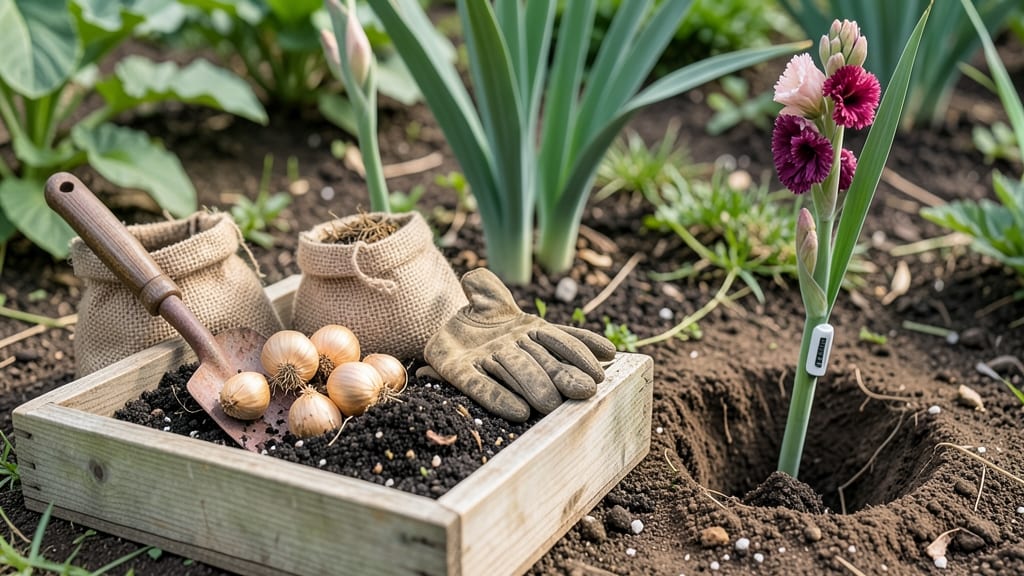
Optimal gladiolus planting dates in North Carolina by USDA Zone 7b-8a
North Carolina’s USDA Zones 7b-8a offer a perfect climate for gladiolus, but the last frost date varies dramatically between regions like Asheville (Zone 7b) and Raleigh/Charlotte (Zone 8a). For Asheville, aim for mid-March to early April, while gardeners in Raleigh can start as early as late February.
These differences mean your gladiolus planting window could shift by 4-6 weeks depending on elevation and microclimates.
Gladiolus are spring-planted perennials in NC, but they thrive best when soil temperatures reach 60°F (15°C). Use a soil thermometer to confirm readiness—planting too soon in cold soil can stunt growth.
In Zone 8a, you might even squeeze in a fall planting in late August, but this is riskier due to hurricane season and unpredictable early frosts.
Here’s how to align your planting with North Carolina’s regional frost patterns:
| Region | Last Frost Date | Ideal Planting Window | Soil Temp. Goal | Bloom Time |
|---|---|---|---|---|
| Asheville (Zone 7b) | March 15 | March 15–April 15 | 60°F (15°C) | July–September |
| Raleigh (Zone 8a) | February 28 | February 28–April 15 | 60°F (15°C) | June–August |
| Charlotte (Zone 8a) | March 1 | March 1–April 15 | 60°F (15°C) | June–September |
| Fall Option (All Zones) | November 15 | Late August–Early September | 65°F (18°C) | September–October |
If you’re in Zone 7b (Asheville), planting after April 15 risks missing peak summer blooms, while Zone 8a (Raleigh/Charlotte) gardeners can push planting to mid-April for later-season flowers.
For fall planting, prioritize late August to allow roots to establish before first frost—typically November 15 in most of NC.
Pro tip: Stagger your planting by 2-3 weeks for continuous blooms. For example, plant 1/3 of your bulbs in early March, another 1/3 in mid-March, and the final 1/3 in late March. This extends your gladiolus show from July to September without overcrowding your garden.
North Carolina’s humid summers can stress gladiolus if planted too late. Aim for 6-8 weeks before first frost in fall to avoid heat stress or fungal diseases. If your area experiences unpredictable weather (like sudden cold snaps), opt for spring planting instead—it’s the safer bet for reliable blooms.
Before planting, amend your soil with compost or aged manure to improve drainage—gladiolus hate soggy roots. Work in a balanced fertilizer (10-10-10) at planting time to give your corms a nutrient boost.
Mulch with straw or pine needles to retain moisture and suppress weeds, especially in sandy soils common in the Piedmont region.
For container gardening, use well-draining pots with drainage holes and plant gladiolus 4-6 inches deep, spacing them 6 inches apart. Containers warm up faster than garden beds, so you can plant 2-3 weeks earlier than in-ground.
Just ensure your pots get full sun (6+ hours daily)—gladiolus won’t bloom without it!
Watch for early spring rains, which can delay planting. If your soil is waterlogged, wait until it dries out to 2-3 inches deep before planting. In drought-prone areas like the Sandhills region, water deeply after planting to encourage root growth.
Aim for 1-2 inches of water per week during the growing season.
Remember: Gladiolus are not frost-tolerant. If an unexpected late frost hits after planting, cover your corms with
Optimal gladiolus planting dates in North Carolina by USDA Zone 7b-8a
North Carolina’s USDA Zones 7b-8a offer a perfect climate for growing gladiolus, but timing your planting is crucial. The last frost date typically falls between March 15 and April 15, depending on your region—Asheville’s cooler microclimate may see frost later than Raleigh or Charlotte.
Planting too early risks frost damage, while waiting too long can delay those showstopping summer blooms you’re eager to enjoy.
For most of North Carolina, the ideal planting window for gladiolus corms is mid-March to mid-April. This timing ensures your bulbs establish roots before the soil warms up, giving them a strong start for the growing season.
In Zone 8a (southern NC), you can push planting slightly earlier—late February to early March—while gardeners in Zone 7b (western NC) should wait until early April to avoid frost.
| Region | USDA Zone | Last Frost Date | Optimal Planting Window | Bloom Time |
|---|---|---|---|---|
| Asheville | 7b | April 1-15 | Early April | July-August |
| Raleigh | 7b-8a | March 15-April 1 | Mid-March to early April | June-July |
| Charlotte | 8a | March 1-15 | Late February to early March | May-June |
If you’re aiming for late-summer blooms, consider a fall planting in late August to early September. This second planting window works well in North Carolina’s climate, as the soil remains warm enough for root establishment before the first frost.
Just be sure to plant 6-8 weeks before your expected first frost date—typically mid-November—to allow time for growth before winter sets in.
For soil preparation, focus on well-draining soil with a pH between 6.0 and 6.8. Gladiolus bulbs thrive in loose, fertile soil enriched with compost or aged manure.
Before planting, loosen the soil to a depth of 12 inches and mix in a balanced fertilizer (10-10-10) to give your corms the nutrients they need for strong root development. Avoid heavy clay soils, which can lead to rot.
Pro tip: Stagger your planting by 2-3 weeks for continuous blooms. Plant a few corms every week within the optimal window to extend your garden’s summer color show. This technique also helps manage pests and diseases, as it prevents all plants from reaching maturity at once.
Plus, it’s a great way to enjoy gladiolus flowers from June through September!
Remember, soil temperature is just as important as air temperature. Aim to plant when the soil has warmed to at least 60°F (15°C). You can check this with a soil thermometer or by pressing your hand into the soil—if it feels warm to the touch, it’s time to plant.
This ensures your gladiolus corms won’t sit in cold, damp soil, which can lead to rot or poor growth.