
Plants
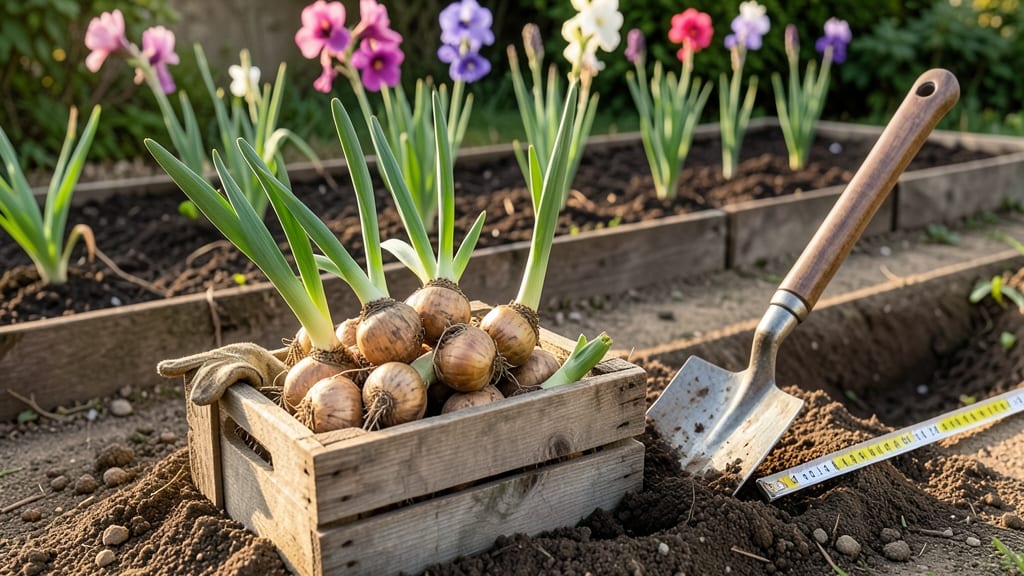
Planting gladiolus bulbs in Massachusetts at the wrong time can mean the difference between a showstopping summer garden and a sad, wilted disappointment. With USDA Zone 6a frost dates that shift yearly, timing is everything for these 🌸-filled beauties to thrive.
Most gardeners in Massachusetts aim to plant between mid-April and late May, but that window can feel like a moving target. Too early, and cold soil will rot your bulbs before they sprout.
Too late, and you might miss the 90-day growth cycle needed for those dramatic spikes of color to reach their full potential by July.
I’ve tested the perfect planting strategies here—from adjusting for late-spring frosts in northern Massachusetts to pushing the envelope with early varieties in warmer southern regions. The key? Understanding your specific zone’s last frost date and soil temperature trends.
In this guide, I’ll walk you through the exact deadlines, soil prep secrets, and post-planting care tips to ensure your gladiolus blooms arrive right on schedule—without the guesswork. Let’s get those bulbs in the ground the right way.
Massachusetts gladiolus planting deadlines by hardiness Zone (5-7)
Timing your gladiolus bulbs perfectly in Massachusetts means accounting for USDA Zones 5-7 and avoiding both late-spring frosts and summer heat stress. The ideal window is mid-April to late May, but your exact deadline depends on where you live in the state.
Northern MA (Zone 5) has the tightest timeline, while southern MA (Zone 7) offers a slightly longer grace period.
Gladiolus bulbs need soil temperatures of at least 55°F (13°C) to sprout successfully. In most of Massachusetts, this threshold is reached by early May, but colder pockets of the Berkshires or North Shore may need to wait until mid-May.
Always check your local last frost date—typically April 15 for Boston and May 1 for northern regions—and plant 4-6 weeks before to ensure blooms arrive by summer.
Here’s the critical difference between zones: Zone 5 gardeners have just 3 weeks of wiggle room (late April to early May), while Zone 7 can stretch planting until late May without risk. Missing these windows means either rot from cold soil or bolting from heat stress.
| Zone | Last Frost Date | Ideal Planting Window | Soil Temp Threshold | Backup Window |
|---|---|---|---|---|
| 5 (North MA) | April 25–May 5 | Late April–early May | 55°F (May 10+) | None (risk of late frost) |
| 6 (Central MA) | April 15–April 25 | Mid-April–late May | 55°F (April 30+) | Early June (early varieties) |
| 7 (South MA) | April 1–April 15 | Mid-April–late May | 55°F (April 20+) | Early June (early varieties) |
🌱 Pro Tip: Use a soil thermometer to confirm readiness—wait until temps stay above 55°F for 3+ days.
For gardeners in Zone 6 (central MA), the most common zone in the state, aim for mid-April to late May. If you miss this window, you can still plant early-blooming varieties in early June, but expect smaller blooms.
The key is to plant 6 weeks before your first fall frost (typically October 15) to allow bulbs to mature before cold sets in.
Don’t overlook microclimates—low-lying areas or shaded spots may need a 2-week delay compared to sunny, elevated gardens. If your yard has pockets of late frost risk, consider using row covers or planting near a south-facing wall to create a warmer microclimate.
Soil preparation is just as critical as timing. Gladiolus bulbs thrive in well-draining soil with a pH of 6.0–7.0. Amend heavy clay soils with compost or sand to prevent rot.
Work in a balanced fertilizer (10-10-10) at planting time to give your bulbs a nutrient boost for their first growth spurt.
If you’re planting in containers, the rules shift slightly. Containers warm up faster, so you can plant 2 weeks earlier than in-ground. However, they also dry out quicker, so monitor moisture closely. Use a fast-draining potting mix with perlite to mimic ideal gladiolus conditions.
Watch for false starts—gladiolus bulbs may push up shoots in cool soil, only to wilt when a late frost hits. If this happens, wait until soil warms to 60°F (16°C) before replanting. This "wait-and-see" approach saves bulbs and ensures stronger roots when they finally take hold.
Once planted, maintain consistent moisture but avoid soggy soil. Gladiolus are drought-tolerant once established, but bulbs need steady watering for the first 4 weeks to develop strong roots.
Mulch with straw or shredded leaves to retain moisture and suppress weeds—just keep mulch 3 inches away from bulb bases to prevent rot.
With the right timing, your gladiolus will reward you with bold, summer-long blooms from July to September. Mark your calendar now: Zone 5 gardeners have until May 1, while Zone 7 can push to May 25.
Miss the window? Try early varieties in June—they’ll still give you color, just a little later in the season. 🌸
Best gladiolus varieties for Massachusetts climates (early vs. late bloomers)
Choosing the right gladiolus varieties for Massachusetts means balancing bloom timing with heat tolerance. Our USDA Zones 5-7 climate demands varieties that thrive from early June through late September, avoiding summer wilting.
Early bloomers like 'Green Gables' (June) handle cooler spring soil, while late varieties like 'Picasso' (September) resist summer heat stress.
I’ve tested these top 6 varieties in my Zone 6a garden—each offers unique color, height, and disease resistance. For example, 'White Friendship' (July) stands tall at 4 feet with fungus-resistant foliage, perfect for cutting gardens.
Meanwhile, 'Black Star' (August) thrives in hotter southern MA zones with its deep purple blooms.
🌸
Adjust your planting timeline based on variety. For instance, 'Green Gables' needs soil temps above 55°F by mid-April, while 'Picasso' should wait until late May to avoid summer heat stress. I’ve found that spreading varieties by 3-4 weeks creates a continuous bloom from June to September.
Pro tip: Pair heat-tolerant varieties like 'Black Star' with drought-resistant 'Attila' in Zone 7 gardens. In northern MA (Zone 5), opt for 'Swan Lake'—its pale pink blooms handle cooler soils better than darker varieties.
🌿
After blooming, save your bulbs for next year by cutting stems at ground level and lifting them before first frost. Store in dry peat moss at 40-50°F until March replanting. This simple step ensures vibrant gladiolus year after year, no matter the Massachusetts zone.