
Plants
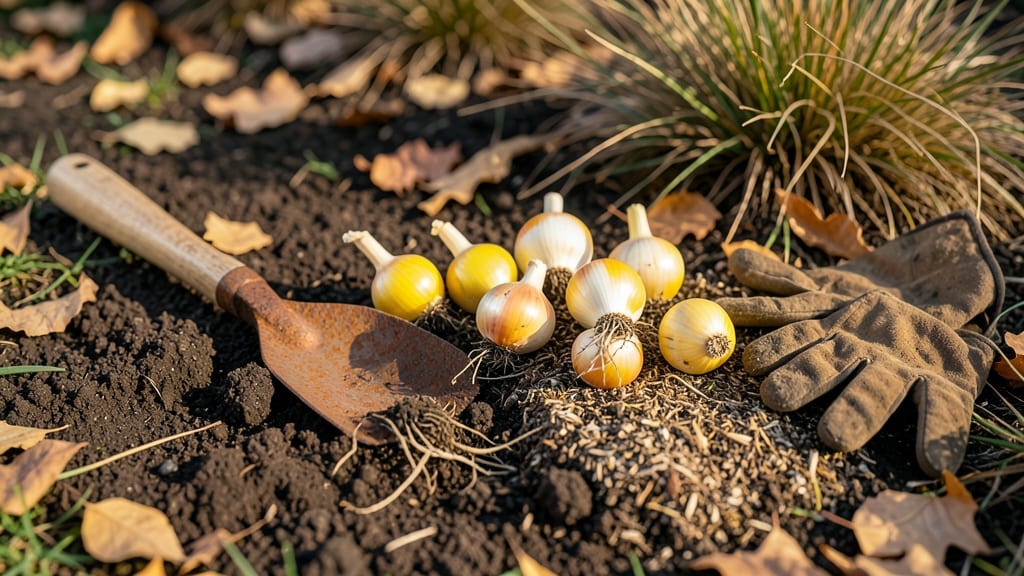
Timing your daffodil bulb planting in Massachusetts can mean the difference between a vibrant spring display and a wasted investment—especially when early frosts or soggy soil lurk around every corner.
If you’ve ever watched your bulbs rot in the ground or fail to bloom, you’re not alone, but the solution is simpler than you think.
Massachusetts gardeners in Zone 6a have a narrow window—just 6-8 weeks—to plant daffodils before the first frost hits in mid-October.
The key isn’t just picking a month; it’s reading your local microclimate, whether you’re in coastal Boston or the inland hills of Western MA, where frost dates can shift by weeks.
I’ll show you exactly when to dig in (spoiler: it’s not just “fall”), how to prep your soil for zero-frost failures, and why planting too early or too late can turn your 🌼 daffodils into a sad, shriveled mess.
Let’s get those bulbs in the ground the right way—so you can enjoy those cheerful blooms come April.
Skip the guesswork and master the zone-specific schedule that keeps your garden thriving, no matter what Mother Nature throws your way this winter.
Massachusetts planting zones: exact dates to avoid frost damage
Massachusetts spans USDA Zones 5a-6b, meaning frost dates vary dramatically—from early October in Western MA to mid-November near coastal areas. This variation makes timing critical for daffodil bulbs, which need 4-6 weeks of cool soil before winter dormancy.
Plant too early, and bulbs rot; too late, and they won’t establish roots before frost.
For Zone 5a (Western MA), aim for mid-October planting—soil temps should be below 60°F but not frozen. In Zone 6a (Boston, Eastern MA), extend your window to late October or early November, when daytime temps hover around 50-55°F.
Coastal areas like Cape Cod may even allow November planting due to milder winters.
Use the USDA Plant Hardiness Zone Map to pinpoint your exact location. For example, Springfield (Zone 5b) targets October 15-31, while Providence, RI (Zone 6b) can plant until November 15.
Check your local first frost date (typically October 15 inland, November 1 coastally) and plant 6 weeks prior.
| Zone | Ideal Planting Window | Soil Temp Goal | First Frost Avg. |
|---|---|---|---|
| 5a (Western MA) | Mid-October | Below 60°F | October 15 |
| 5b (Central MA) | Late Oct–Early Nov | 50-60°F | October 25 |
| 6a (Boston, Eastern MA) | Late Oct–Nov 15 | 45-55°F | November 1 |
| 6b (Coastal MA) | Nov 1–15 | 40-50°F | November 10 |
🌱 Pro Tip: Use a soil thermometer to confirm temps—plant when soil is 50-60°F at 4-inch depth.
Microclimates add another layer of complexity. Urban areas like Boston experience urban heat islands, delaying frost by 1-2 weeks compared to rural areas. Meanwhile, elevated gardens in the Berkshires may freeze 2 weeks earlier than valley floors.
Adjust your planting by 1-2 weeks earlier in high-altitude spots or 1-2 weeks later in urban heat pockets.
For reliable blooms, align planting with moon phases—root crops (like daffodils) thrive with a waxing moon. Check lunar calendars for October-November planting windows to maximize root development before winter.
Pair this with well-draining soil (amend with compost) to prevent rot, especially in Zone 5a where winters are harsher.
If you miss the fall window, spring planting is possible but risky—daffodils need 6-8 weeks of cool soil to establish roots. In Zone 6a, plant late February to early March if soil isn’t frozen, but expect smaller blooms the first year.
For Zone 5a, skip spring planting entirely—wait for fall.
Use mulch (3-4 inches of straw) after planting to insulate bulbs and regulate soil temps. In coastal zones, remove mulch in early spring to prevent soggy soil; in inland zones, leave it until March to protect from late frosts.
This small adjustment can mean the difference between vibrant blooms and failed sprouts.
Track your local frost dates for 3 years to identify patterns—some years, early snow cover insulates bulbs, while others bring late frosts in April. Daffodils are hardy to 10°F, but consistent cold below 20°F can damage emerging shoots.
Planting at the right depth (6-8 inches) adds an extra 2-4°F of protection.
For container gardening in Massachusetts, plant bulbs in October and move pots to a garage or unheated shed if temps drop below 20°F for extended periods. Use lightweight potting mix to prevent compaction, and water sparingly
Step-by-step planting calendar: from soil prep to first frost
Timing your daffodil bulb planting in Massachusetts isn’t just about the calendar—it’s about soil temperature, frost dates, and local microclimates. Aim for October 15 to November 15, when daytime temps hover around 50-60°F and nights dip below freezing.
This window ensures bulbs root before winter dormancy but avoids the risk of rot from wet soil in late fall.
Start by testing your soil temperature—it should be 50°F or lower at 4 inches deep. Use a soil thermometer or check local frost-free dates (typically mid-October in Boston, late October inland).
Coastal areas like Cape Cod may need earlier planting due to milder winters, while Western MA’s colder zones can wait until early November.
Here’s your actionable timeline for zero-frost failures:
Test soil drainage—daffodils hate soggy soil. Amend heavy clay with compost or sand to prevent rot.
Choose a sunny spot with 6+ hours of light. Loosen soil to 12 inches deep and mix in bone meal (1 tbsp per bulb) for phosphorus.
Plant bulbs 6–8 inches deep, 3x their height, with 2–3 inches between bulbs. Pointy ends up! Water deeply to settle soil.
Add 2–3 inches of mulch (straw or leaves) to insulate bulbs. Avoid thick mulch—it traps moisture and invites rodents or rot.
Water only if soil is dry. Daffodils enter dormancy; overwatering now can drown them before spring.
Pro tip: Plant tall varieties (like ‘Ice Follies’) in the back of borders and dwarf types (e.g., ‘Tête-à-Tête’) near pathways. This creates a staggered bloom effect from early April to May, extending your garden’s color palette.
For coastal MA, push planting to mid-November—warmer winters mean bulbs can wait longer. Inland areas (e.g., Pittsfield), plant by October 31 to avoid early freezes. Always mark your beds with stakes or flags—spring forgetfulness leads to accidental digging!
🌼