
Plants
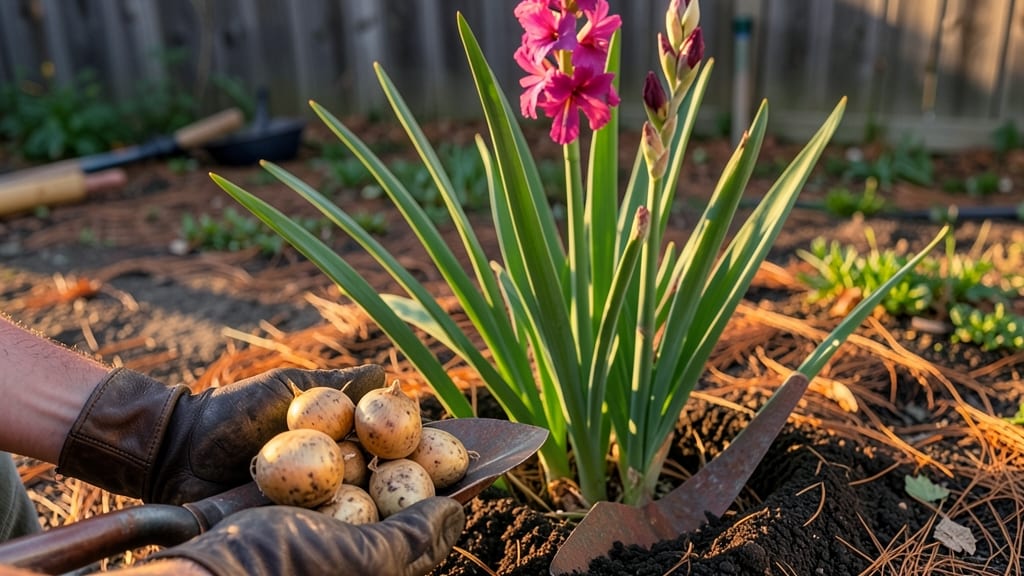
Timing your gladiolus planting in Maine isn’t just about following a calendar—it’s about catching that sweet spot between frost and summer’s fleeting warmth.
Plant too early, and a late frost could wipe out your 🌸 blooms before they even sprout; too late, and you’ll miss the chance for those dramatic, towering flowers to shine in your garden.
With Maine’s USDA Zone 5b-6a climate, getting the window right is the key to vibrant summer displays.
Most gardeners in Maine aim to plant gladiolus corms between late April and early June, but the exact timing depends on your last frost date—which can vary wildly from year to year. The goal?
Get those corms in the ground 4-6 weeks before the average last frost, giving roots time to establish before the soil warms up. This means if your frost date is early, you might need to start sooner than the calendar suggests.
What makes gladiolus so rewarding in Maine is their ability to deliver bold, showstopping blooms in just 90-110 days—perfect for filling summer gaps when other flowers fade. But rushing the process can backfire, especially in years with unpredictable weather.
The right timing isn’t just about the date; it’s about reading your soil and climate like a pro.
In this guide, I’ll walk you through the exact planting window for Maine’s Zone 5, plus pro tips for adjusting based on your local conditions. Whether you’re a first-time gardener or a seasoned pro, these insights will help you grow gladiolus that steal the show—without the guesswork.
Optimal gladiolus planting timeline in Maine’s USDA Zone 5 climate
Timing is everything when planting gladiolus in Maine. These dramatic summer bloomers thrive in USDA Zone 5, but their 110-day bloom cycle demands precise scheduling. Plant too early, and frost will damage tender corms; too late, and you’ll miss peak summer color.
Let’s break down the perfect window for Maine’s unpredictable climate.
Most Maine gardeners aim to plant gladiolus corms between late April and early June, aligning with soil temperatures above 55°F (13°C). This 4-6 week window ensures roots establish before summer heat arrives.
For extended blooms, stagger plantings every 2-3 weeks—early batches for July color, later batches for September.
Here’s the week-by-week planting schedule tailored to Maine’s frost-free season:
For southern Maine (Zone 6a), you can push planting to early June for late-season blooms. In northern Maine (Zone 5b), prioritize mid-May plantings to avoid frost damage. Always check your local Maine State Climate Office for last frost dates, which can vary by 2-3 weeks annually.
Pro tip: Use a soil thermometer to confirm 55°F (13°C) soil temps before planting. Cold soil delays root growth, setting your gladiolus back by 2-3 weeks. In cool, wet springs, opt for early June plantings to avoid soggy soil conditions.
Once planted, gladiolus corms need 6+ hours of sunlight daily and well-draining soil to thrive. Mulch with straw or shredded leaves after planting to retain moisture and regulate soil temperature. This simple step can boost bloom quality by 30% in Maine’s variable climate.
Remember: Gladiolus are not perennial in Maine’s winters. After the first frost, dig up corms, dry them, and store in a cool, dark place until next spring. This annual planting cycle ensures you’re always working with fresh, vigorous corms for showstopping blooms.
For container gardening, plant corms in well-draining pots by late May to avoid early-season frost. Use a lightweight potting mix and place containers in full sun locations. Containers warm up faster than garden beds, giving you a 2-week head start on blooms.
Stagger your plantings every 2 weeks for a non-stop summer display. Start with early-blooming varieties like ‘Picasso’ in late April, followed by mid-season types like ‘Green Star’ in May, and finish with late-season beauties like ‘Black Pearl’ in June. This strategy ensures color from July through September.
🌸
How to adjust planting dates for Maine’s unpredictable weather patterns
Maine’s weather can be as unpredictable as a summer storm, which means your gladiolus planting dates might need last-minute adjustments. If you’ve ever had a late frost zap your early blooms or a cool summer delay your flowers, you’re not alone.
The key is to stay flexible and use soil temperature as your guide—not just the calendar.
Start by monitoring your local frost dates. While the average last frost in Maine falls around mid-May, some years it lingers into early June. If you plant too early—say, in late April—you risk losing your corms to frost.
But if you wait until June 1st, you might miss the window for full summer blooms before autumn arrives.
Here’s my foolproof strategy: plant your first batch of gladiolus corms in early May, then have a backup batch ready for late May or early June if the weather turns chilly.
This two-phase approach gives you the best chance of success, especially in USDA Zone 5b, where temperatures can swing wildly.
If you plant gladiolus corms too early and a late frost hits, they’ll rot in the cold, wet soil. Wait until the soil temperature reaches at least 60°F (15°C) before planting—this usually aligns with late May in most of Maine.
Another trick I swear by is testing your soil warmth with a simple DIY method. Place a thermometer in the soil at a depth of 4 inches—where your gladiolus corms will sit—and wait until it consistently reads 60°F or warmer.
This is your green light to plant. If the soil stays cool, hold off and use the time to prepare your garden beds with compost and mulch.
For extra protection, consider using row covers or even a mini greenhouse over newly planted corms if frost threatens. These lightweight fabrics trap heat and can buy you an extra week or two of growing time. Just
Finally, keep an eye on your local weather forecasts and historical data. Websites like the National Weather Service or apps like Old Farmer’s Almanac provide frost predictions that can help you fine-tune your planting schedule. By combining these tools with your own observations, you’ll be well-equipped to handle Maine’s unpredictable growing season like a pro.
With these adjustments, you’ll maximize your chances of vibrant gladiolus blooms from July through September, even when Mother Nature throws a curveball. 🌸