
Plants
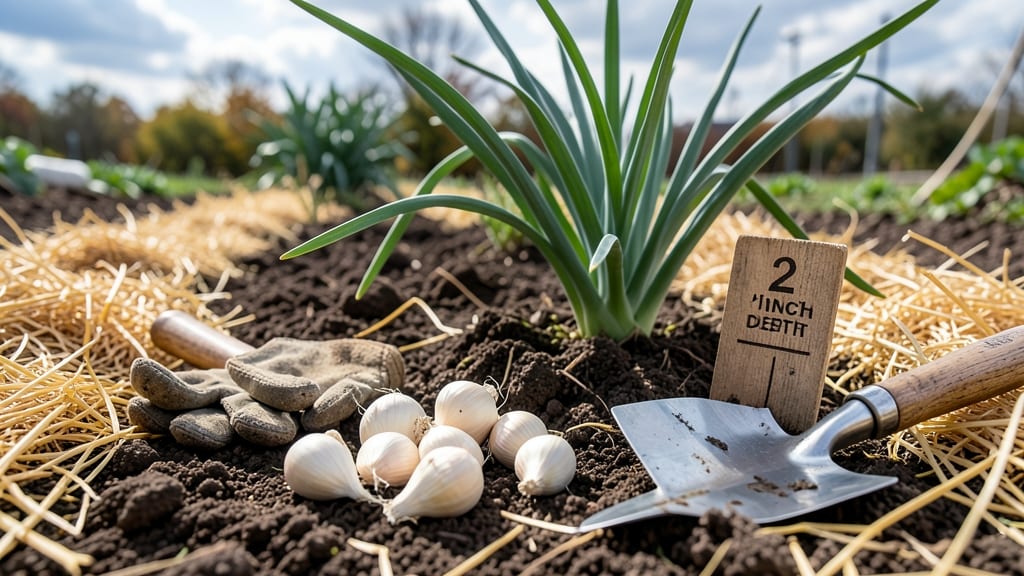
If you're growing garlic in Zone 8b, timing your planting could mean the difference between plump, flavorful bulbs and disappointing harvests. The key isn't just about when you plant—it's about understanding how your local climate interacts with garlic's growth cycle.
Most gardeners in Southern California, Central Texas, or Georgia know fall is the prime window, but there's actually a 6-week sweet spot between October and November that sets the stage for strong root development.
Plant too early, and your garlic might bolt; too late, and it won't have enough time to mature before summer heat arrives.
What you'll discover here are the exact planting windows tailored for Zone 8b's unique frost patterns and soil conditions. I'll break down the science behind why October-November works best, plus how to adjust for your specific microclimate—whether you're coastal, inland, or at higher elevations.
Ready to grow garlic that rivals store-bought? Let's dive into the best months for planting and the simple steps to ensure your harvest is the envy of your neighborhood garden.
Optimal planting months for garlic in Zone 8b: a science-backed timeline
In Zone 8b, where winters are mild and summers scorching, timing your garlic planting is critical. The ideal window spans from mid-October to December, allowing roots to establish before winter dormancy. This aligns with soil temperatures dropping below 70°F—perfect for root growth without premature bolting.
For hardneck varieties, aim for October to November—they need cold exposure to form bulbs. Softneck garlic, however, tolerates slightly later plantings (November to early December) since they don’t require vernalization. Both types benefit from a 4-6 week head start before the first frost.
Here’s the science: Garlic roots grow best when soil temps hover between 50-60°F. In Zone 8b, this typically occurs in late fall. Planting too early (September) risks weak roots from summer heat, while planting too late (January) may delay bulb formation.
🌱
| Planting Stage | Zone 8b Timeline | Key Conditions |
|---|---|---|
| Root Establishment | October 15–November 15 | Soil 60–70°F, no frost risk |
| Winter Dormancy | December–February | Mulch retains moisture; temps 40–50°F |
| Shoot Growth | March–April | Soil warms to 55°F+; 6+ sun hours |
| Bulb Maturation | May–June | Dry soil; reduce watering |
| Harvest Ready | Late June–July | Lower leaves brown; bulbs firm |
Spring planting (January–February) is a backup option but yields smaller bulbs. The trade-off? Less risk of winter dieback in coastal Zone 8b areas like San Diego, where mild winters prevail. For inland regions (Phoenix, Dallas), stick to fall planting—spring heat accelerates bolting.
Pro tip: Use a soil thermometer to confirm temps. Aim for 60°F soil at planting—this triggers root growth without stressing the cloves. In Zone 8b’s warmer microclimates, this often means waiting until November.
Hardneck varieties (Rocky Mountain, German White) thrive with 60+ days of cold (40°F or below). Softnecks (Silverskin, Artichoke) adapt better to milder winters but still need 4–6 weeks of cool soil to form bulbs.
Test your soil’s cold tolerance by planting a trial batch in October—adjust dates next year based on results.
Mulching with 6–8 inches of straw after planting insulates roots through winter. This extends the planting window by 2–3 weeks in Zone 8b’s transitional zones (e.g., Austin, Atlanta). Remove mulch in early spring to prevent rot as shoots emerge.
🌿
Optimal planting months for garlic in Zone 8b: a science-backed timeline
In Zone 8b, garlic thrives when planted during the cool shoulder seasons—either in fall (October–November) or early winter (January–February). This timing ensures roots establish before summer heat arrives. Fall planting is ideal because garlic needs 6–8 weeks of cool weather to develop strong bulbs before dormancy.
For hardneck varieties (like Rocky Mountain or German White), aim for October 15–November 15. These varieties need cold exposure to form scapes and bulbs. Softneck varieties (like Silverskin or Artichoke) are more flexible and can handle January–February plantings, though they may yield slightly smaller bulbs.
Soil temperature is your best guide: plant when soil is 60–70°F but cooling rapidly. In Zone 8b, this typically means 4–6 weeks before the first frost (usually mid-December). If you miss fall, don’t panic—early winter plantings can still succeed with proper mulching.
| Planting Window | Ideal Varieties | Soil Temp | Key Tip |
|---|---|---|---|
| October 15–November 15 | Hardneck (Rocky Mountain, German White) | 60–70°F | Plant 4–6 weeks before frost for bulb development. |
| January 15–February 15 | Softneck (Silverskin, Artichoke) | 55–65°F | Use thick mulch to protect from winter rains. |
If you’re in a coastal Zone 8b (like Southern California), plant earlier (September–October) to avoid winter rains that can rot cloves. Inland areas (like Central Texas) can wait until November due to drier conditions.
Always plant 4–6 weeks before the ground freezes—this gives roots time to anchor before dormancy.
Pro tip: Use a soil thermometer to confirm temperatures. If soil stays above 70°F for more than 2 weeks, garlic may bolt (send up flower stalks) instead of forming bulbs. In Zone 8b, this is rare but possible in late fall plantings.
Harvest timing depends on planting date: fall-planted garlic is ready in June–July, while winter-planted garlic may need until August. Look for lower leaves turning brown and upper leaves staying green—this is your cue to dig!