
Plants
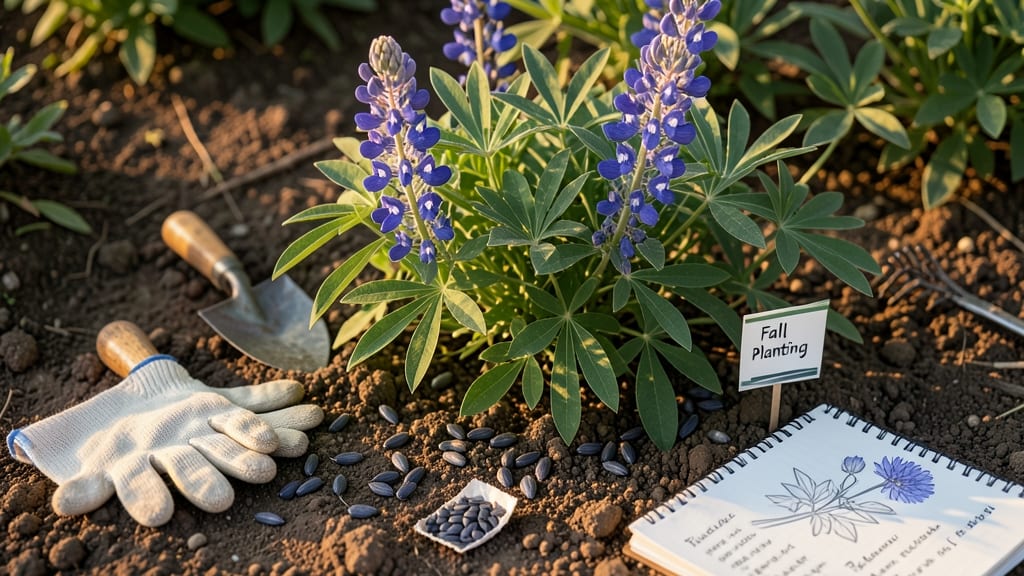
If you’ve ever dreamed of waking up to a sea of blue 🌸 blanketing your Central Texas landscape, when to plant bluebonnet seeds in Central Texas is the secret weapon. Timing these plants wrong can mean the difference between a stunning spring display and a disappointing flop.
Most gardeners assume spring is the best time, but in Zone 8a, fall is actually the golden opportunity. The key lies in cooler temperatures and natural rainfall—both of which align perfectly with Central Texas’ late September to early November planting window.
Why does this matter? Because bluebonnets need a cool dormancy period to break their seeds and establish roots before winter. Plant too early, and frost can wipe them out; too late, and they won’t have enough time to grow before spring’s heat arrives.
I’ll walk you through the exact steps to time your planting, from soil prep to post-planting care, so you can enjoy those iconic blue blooms year after year without the guesswork.
Optimal bluebonnet seed planting timeline in Central Texas
Timing is everything when planting bluebonnet seeds in Central Texas—a window of just 6-8 weeks separates success from disappointment. The ideal timeframe is late September to early November, aligning with cooler temperatures and natural rainfall patterns.
This period ensures seeds germinate before winter dormancy sets in, while avoiding the summer heat that can scorch young seedlings.
Central Texas spans USDA Zone 8a, where first frost typically arrives around December 15. Planting too early risks seedling rot from prolonged moisture, while waiting too long may leave seeds exposed to freezing temperatures before establishing roots.
The sweet spot is after the first cool snap (usually mid-October) but before soil temperatures drop below 50°F.
Regional microclimates matter—Austin’s warmer nights may extend the window slightly, while Waco’s drier air demands earlier planting. San Antonio’s coastal influence can delay frost by a week or two. Always check your local weather forecasts for 10-day outlooks before committing to a planting date.
Soil temperature is your best indicator. Bluebonnets thrive when soil reaches 50–60°F—use a soil thermometer to confirm readiness. In Central Texas, this usually occurs by late September in elevated areas and early October in valleys. If temperatures fluctuate, opt for early October to balance risk.
Key planting milestones to track:
| Month | Soil Temp (°F) | Risk Level | Action |
|---|---|---|---|
| Late September | 55–65°F | Low (early frost risk) | Scatter seeds in well-drained areas |
| October | 50–60°F | Optimal | Best window for germination |
| Early November | 45–55°F | Moderate (late frost risk) | Plant if soil >50°F; mulch lightly |
| December | Below 45°F | High (avoid) | Seeds won’t germinate; wait until fall 2025 |
Pro tip: Stratify seeds for 2–4 weeks before planting to mimic natural winter conditions. Place seeds in a moist paper towel inside a ziplock bag and refrigerate. This breaks dormancy and boosts germination rates by 30–50% in Central Texas’ unpredictable falls.
If you miss the fall window, don’t despair—bluebonnets can also be planted in early spring (February), but expect smaller blooms due to summer heat stress. For maximum impact, stick to fall planting and prepare for a spring spectacle of blue blooms by March–April.
Local wildlife activity can also influence timing. Birds and squirrels love bluebonnet seeds—plant after peak acorn season (September) to reduce theft. A light mulch layer (straw or leaves) helps protect seeds while allowing moisture penetration.
For large-scale plantings, consider seed mixes with winter rye or clover to stabilize soil until bluebonnets establish. This reduces erosion and improves water retention during Central Texas’ erratic rains.
Remember: Patience is key. Bluebonnets may not bloom until their second year, but the wait is worth it for vibrant blue carpets that define Texas spring. Mark your calendar now—your 2025 bluebonnet dreams start with this fall’s seeds.
Optimal bluebonnet seed planting timeline in Central Texas
Timing is everything when planting bluebonnet seeds in Central Texas. The ideal window runs from late September through early November, aligning with cooler temperatures and natural rainfall patterns. This ensures seeds germinate before winter dormancy sets in.
Central Texas falls in USDA Zone 8a, where the average last frost occurs around December 15. Planting too early risks seedling damage from unexpected cold snaps, while waiting too late may delay spring blooms. Aim for soil temperatures between 60°F and 75°F—perfect for germination.
Here’s what you need to know about the month-by-month planting timeline for Austin, Waco, and San Antonio, including frost risks and soil prep tips:
| Month | Soil Temp (°F) | Frost Risk | Planting Tip |
|---|---|---|---|
| Late September | 70–80°F | Low | Scatter seeds on dry soil; no need to cover. |
| October | 60–70°F | Moderate | Best germination window; water lightly if dry. |
| November | 50–60°F | High (after mid-month) | Plant early in month; avoid late November. |
| December (Early) | 40–50°F | Very High | Only if soil isn’t frozen; minimal germination. |
For San Antonio and Waco, aim for early October to ensure seeds establish roots before winter. In Austin, slightly later plantings (mid-October) work due to its cooler microclimate. Always check your local frost forecast—unpredictable cold snaps can derail early plantings.
Pro tip: Stratify seeds for 4–6 weeks in a damp paper towel in the fridge before planting. This mimics winter conditions and boosts germination rates by 30–50%. Skip this step only if planting in November, when natural cold exposure occurs.
Once seeds are in the ground, avoid watering unless there’s a prolonged dry spell. Bluebonnets thrive on natural rainfall, and overwatering can rot seeds before they sprout. Let Mother Nature do the work!