
Plants
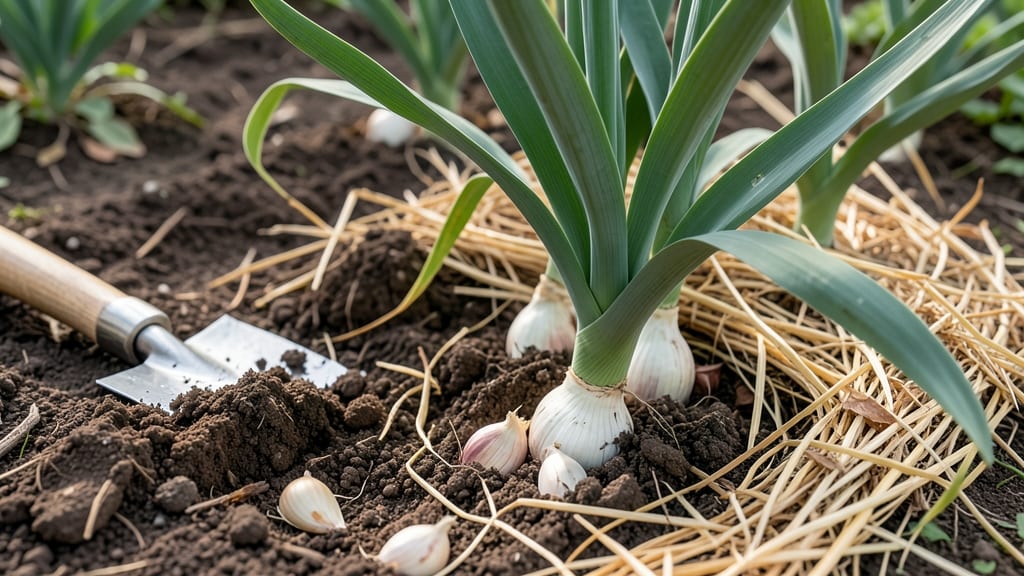
Timing your 🧄 garlic planting in Western NC isn’t just about the calendar—it’s about matching your soil’s chill-hours to the right hardneck varieties for that bold, flavorful harvest you crave.
If you’ve ever planted garlic only to watch it bolt early or produce puny bulbs, you’re not alone. The 6b-7a climate here demands precision: too early, and frost zaps your cloves; too late, and your bulbs never reach their full potential.
But get it right, and you’ll be feasting on homegrown garlic from late June to July.
I’ll walk you through the exact October-November window that works for Western NC, including how to adjust for microclimates like Asheville’s milder winters or Boone’s earlier frosts. No guesswork—just science-backed steps to ensure your garlic thrives from the get-go.
Ready to grow garlic that rivals your favorite grocery store (or better)? Let’s dive into the chill-hour secrets that’ll make your harvest the envy of the neighborhood.
Western NC chill-hours explained: the science behind garlic planting timing
Western North Carolina’s mountain climate creates the perfect conditions for growing hardneck garlic, but success hinges on understanding chill-hours. These are the accumulated hours below 40°F (4°C) that hardneck varieties need to form bulbs properly.
In Western NC’s USDA Zones 6b-7a, chill-hour requirements range from 300–600 hours, depending on elevation and microclimate.
For example, Asheville (Zone 7a) typically accumulates 400–500 chill-hours, while Boone (Zone 6b) sees 600–800 chill-hours. This variation explains why garlic planted in Asheville in late November may not develop fully, while the same planting in Boone thrives.
The key is matching your planting window to your local chill-hour total.
To calculate your local chill-hours, check NOAA climate data for your area. Most Western NC counties fall into the 400–600 chill-hour range, which aligns perfectly with hardneck varieties like Rocambole or Silverskin. If you’re unsure, plant two varieties with different chill-hour needs to hedge your bets.
Here’s how chill-hours translate to planting timing: Aim to plant garlic 4–6 weeks before the ground freezes. In Western NC, this usually means mid-October to early November.
For example, in Asheville, the last frost is around mid-December, so planting in late October gives you enough chill-hours before winter dormancy.
In higher elevations like the Blue Ridge Parkway or Highlands, chill-hours can exceed 800 hours, which is overkill for most hardneck varieties.
In these areas, you might still plant in October, but avoid late-season plantings that risk frost heaving (when freezing/thawing cycles push bulbs out of the soil).
Another critical factor is soil temperature. Garlic cloves need 40–50°F (4–10°C) soil temps to germinate. In Western NC, soil temps drop below 50°F (10°C) by mid-November, so planting after this date can delay germination until spring, reducing bulb size.
Use a soil thermometer to monitor temps if you’re unsure.
If you’re growing softneck garlic (like Artichoke), chill-hours are less critical, but hardnecks require them. Softnecks can be planted as late as December in Western NC, but hardnecks will underperform. Stick to hardnecks for the best flavor and bulb size in this region.
Pro tip: If you’re new to chill-hour calculations, use a garlic planting calculator like the one from the University of Georgia Extension. Plug in your ZIP code, and it’ll generate a tailored planting window based on local climate data.
For Western NC, most calculators recommend planting between October 15 and November 15 for optimal results.
Finally, remember that microclimates matter. A valley in Haywood County may have 100 fewer chill-hours than a mountaintop in Macon County. Observe your garden’s frost patterns over a few years to fine-tune your planting schedule.
Over time, you’ll develop a keen sense of when your garlic is getting just the right amount of winter chill.
🌱
🌱 Western NC Garlic Chill-Hour & Planting Guide
| Location | USDA Zone | Chill-Hours (0°F-40°F) | Ideal Planting Window | Notes |
|---|---|---|---|---|
| Asheville | 7a | 400–500 | October 15–November 1 | Warmer microclimate; avoid late plantings |
| Boone | 6b | 600–800 | October 1–November 15 | Cooler temps; longer chill period |
| Highlands | 6a | 700–900 | September 20–October 30 | High elevation; plant earlier |
| Chapel Hill | 7b | 350–450 | October 20–November 10 | Lower chill-hours; choose low-chill varieties |
| Sylva | 6b | 600–750 | October 1–November 10 | Mountain climate; plant early |
💡 Chill-hour tip: Use a soil thermometer to confirm temps are below 50°F (10°C) before planting.
Now that you understand chill-hours, let’s dive into the step-by-step planting calendar tailored for Western NC’s unique climate. We’ll cover the best months to plant, soil prep techniques for mountain soils, and how to adjust for early frosts in higher elevations like Boone or the Highlands.
🌿
Step-by-step planting calendar for Western NC garlic growers
Western NC’s mountain climate gives you a 4-6 week window to plant garlic—typically between mid-October and early December. This schedule ensures your hardneck varieties like Rocambole and Silverskin get the 300-500 chill-hours they need for bulb development.
In higher elevations like Boone (Zone 6b), aim for early planting, while Asheville (Zone 7a) gardeners can plant slightly later.
Start by breaking your planting into three key phases: soil prep, clove planting, and post-planting care. Each phase depends on your local frost dates—check NOAA’s Western NC climate data for your exact location.
For example, Boone usually sees its first hard frost by mid-November, while Asheville holds off until late November. Plant 4-6 weeks before your average first frost for best results.
📅 Western NC Garlic Planting Timeline
- Mid-October: Soil prep & clove selection (Boone/Zone 6b)
- Late October: Planting window for Asheville (Zone 7a)
- Early November: Last chance for Zone 7a; mulch heavily
- Mid-December: Ground freezes—planting window closes
For soil prep, focus on drainage and organic matter. Western NC’s clay-heavy soils benefit from compost or well-rotted manure mixed into the top 6 inches. Test your soil’s pH—garlic thrives in 6.0–7.0.
If your soil is too acidic, add lime 2-3 weeks before planting. Choose a sunny, raised bed if your yard has poor drainage, as garlic hates soggy roots.
When selecting cloves, pick large, plump bulbs from hardneck varieties like German White or Chesnok Red. Break bulbs into individual cloves, ensuring each has a root nub attached.
Plant 4 inches deep, with the pointed end up, and space cloves 6 inches apart in rows 12 inches apart. This spacing prevents crowding and reduces disease risk.
After planting, mulch heavily with straw or leaves (4–6 inches thick) to insulate cloves from winter temperature swings. In Zone 6b areas, mulch earlier (by late October) to protect against early frosts.
Avoid synthetic mulches—they can trap too much moisture. Water deeply once after planting to settle the soil, then let nature take over until spring rains return.
In early spring (March), remove mulch and watch for green shoots. This is your cue to lightly fertilize with a 5-10-10 balanced fertilizer (½ cup per 10 sq ft) to encourage foliage growth.
Avoid high-nitrogen fertilizers—they promote leafy growth at the expense of bulb size. By late June, your garlic will be ready to harvest when lower leaves yellow and dry**, but upper leaves remain green.