
Plants
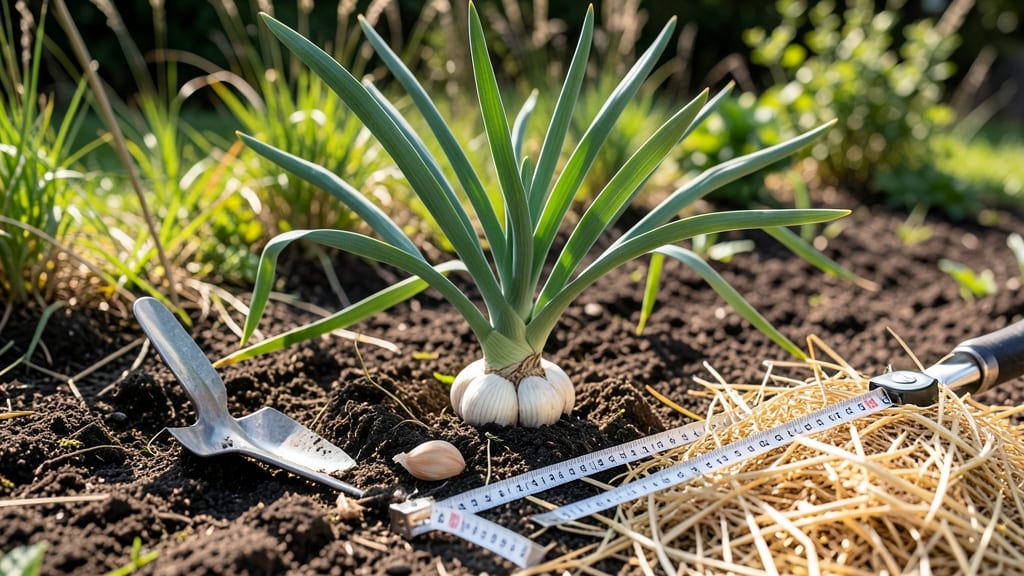
Timing your spring garlic planting just right could mean the difference between a thriving crop of 🧄 and wasted effort—especially if you're used to planting in fall.
While most gardeners swear by autumn, spring planting is absolutely possible with the right approach, and it works particularly well for USDA Zone 6a growers like me.
Here’s the truth: Hardneck and softneck garlic have different needs, and missing their ideal windows can lead to smaller bulbs or even no harvest at all.
I’ve learned the hard way that planting too early or too late in spring can leave your garlic struggling to establish roots before summer heat sets in.
In this guide, I’ll break down the exact 4-6 week window for spring planting—when soil temps hit 40°F and before your last frost date—plus how to adjust for your local climate.
You’ll also discover how to tell if your garlic is ready to go in the ground and what to do if you’ve already missed the boat.
Whether you’re a first-time grower or a seasoned gardener, these tips will help you maximize your garlic’s potential—no matter when you plant. Let’s get those cloves in the soil the right way!
Ideal spring planting windows for hardneck vs softneck garlic
Most gardeners associate garlic with fall planting, but spring planting is absolutely possible—especially if you missed the fall window or live in a mild climate. The key difference lies in garlic types: hardneck and softneck varieties have distinct timing needs, even in spring.
Hardneck garlic, prized for its flavorful scapes, thrives when planted early, while softneck (stored longer) can handle slightly later starts. Let’s break down the perfect planting windows based on your climate zone and garlic type.
For hardneck garlic, aim to plant 4-6 weeks before your last spring frost. In USDA zones 3-5, this typically means late February to early March. In warmer zones (6-10), you can extend this to March through early April.
The goal is to give bulbs enough time to establish roots before summer heat stresses them. Softneck garlic, however, is more forgiving—plant it 2-4 weeks after your last frost, usually April to early May in most regions.
Why timing matters: Garlic bulbs develop over 180-300 days, depending on the variety. Planting too late in spring risks smaller bulbs or even failure to mature before harvest. Hardneck garlic, in particular, needs cold vernalization (a period of chilly weather) to form proper bulbs, which is harder to achieve in late spring starts. Softneck varieties are more adaptable but still benefit from early planting for optimal size.
🌱 Garlic Planting Windows by Type & Climate Zone
| Garlic Type | USDA Zones | Ideal Spring Planting Window | Key Notes |
|---|---|---|---|
| Hardneck | 3-5 | Late February–Early March | Needs cold vernalization; plant early for scapes. |
| Hardneck | 6-10 | March–Early April | Avoid summer heat; use shade cloth if needed. |
| Softneck | 3-10 | April–Early May | More flexible; stores longer but bulbs may be smaller. |
💡 Pro Tip:
For hardneck garlic in warm zones, try fall planting (October-November) for better results. Softneck can handle spring starts but may need extra water during hot months.
If you’re in a mild-winter region (like Southern California or Florida), spring planting is your only option. Focus on softneck varieties like Silverskin or Artichoke, which tolerate warmer soils. For hardneck, consider short-day varieties like German White, which adapt better to extended daylight.
Always check the seed packet for specific recommendations—some varieties are bred for spring planting and will note this clearly.
Soil temperature is another critical factor. Garlic cloves won’t sprout until the soil reaches 40-45°F (4-7°C). Use a soil thermometer to monitor conditions—planting too early in cold soil can lead to rot or poor germination.
In Zone 7 and below, wait until the ground warms slightly after the last frost. In Zones 8-10, you can plant as soon as the soil is workable, usually by late winter or early spring.
One common mistake is assuming all garlic is the same. Hardneck and softneck garlic have different growth cycles, and mixing them up can lead to disappointment.
For example, hardneck varieties like Music or Rocambole produce scape shoots in summer, which you can harvest for cooking or save for planting. Softneck varieties, like California Early or Inchelium Red, focus all their energy on bulb development and won’t produce scapes.
If you’re planting for scape harvests, prioritize hardneck garlic in spring.
For gardeners in high-altitude areas (like Colorado or Utah), spring planting can be trickier due to late frosts. Extend your planting window by 2-4 weeks later than the general guidelines, and use row covers to protect young shoots.
In coastal regions with mild winters (e.g., Oregon or Washington), you can plant as early as January for hardneck garlic, taking advantage of cooler spring temperatures. Always adjust based on your microclimate—a sheltered spot may frost later than an exposed one.
Finally, don’t overlook the role of moon phases if you’re a believer in lunar gardening. Planting garlic during the waxing moon (when the moon is growing) is said to encourage root growth.
For hardneck garlic, aim for the root phase (Taurus, Virgo, or Capricorn signs), while softneck can tolerate the fruit phase (Cancer, Leo, or Pisces). While science doesn’t back these claims, many gardeners swear by the practice—so give it a try if you’re planting in spring!
Ready to plant? Grab your garlic cloves, a trowel, and a soil thermometer, and follow the timing guidelines above. With the right variety and timing, you’ll be harvesting plump, flavorful bulbs by next summer—even if you’re planting in spring. 🧄
Ideal spring planting windows for hardneck vs softneck garlic
Spring planting isn’t the traditional time for garlic, but if you missed the fall window, don’t panic—it’s still possible to grow a crop. The key is understanding the differences between hardneck and softneck varieties, as their ideal planting times vary.
Hardneck garlic thrives when planted in early spring (March-April), while softneck garlic can tolerate slightly later planting (April-May). The goal is to give your garlic 8-10 weeks of cool soil temperatures before summer heat sets in.
Your USDA hardiness zone plays a huge role. In colder zones (3-5), aim for March planting to avoid early summer heat stress. Warmer zones (6-10) can push planting to April or even early May, but expect smaller bulbs if planted too late.
For example, in Zone 7, I’ve had success planting softneck garlic in early April, but hardneck varieties struggle past mid-April due to heat sensitivity.
Here’s the critical rule: Plant garlic when soil temps are between 40°F and 50°F. Use a soil thermometer to check—if it’s warmer, wait. Cool soil triggers root growth before the shoots emerge.
In my garden, I test soil temps weekly in spring; when they dip below 50°F consistently, it’s time to plant. This timing ensures your garlic develops strong roots before summer’s intensity arrives.
| Variety | Ideal Spring Planting Window | Soil Temp Requirement | Notes |
|---|---|---|---|
| Hardneck Garlic | March-April (Zones 3-7) | 40°F–50°F | Best for cold climates; produces scapes. |
| Softneck Garlic | April-May (Zones 6-10) | 45°F–55°F | More heat-tolerant; stores longer. |
| Elephant Garlic | April-May (All Zones) | 50°F–60°F | Milder flavor; tolerates warmer soil. |
One common mistake is assuming all garlic varieties are equal. For instance, ‘German White’ hardneck garlic needs cooler soil to form bulbs properly, while ‘Silverskin’ softneck can handle a few degrees warmer.
If you’re in Zone 8 or higher, focus on softneck varieties like ‘California Early’—they’re bred to handle spring planting better. Pro tip: Plant softneck garlic in well-draining raised beds to prevent rot if summer rains arrive early.
Don’t overlook moon planting phases for optimal results. Planting during the waxing moon (when the moon is growing) is said to boost root development. I’ve noticed my garlic sprouts faster when planted under a waxing moon, especially in early spring.
Pair this with loose, compost-rich soil (pH 6.0–7.0), and your garlic will thrive. Avoid compacted or clay-heavy soil—it stunts root growth and reduces bulb size.
Finally, remember that spring-planted garlic may not reach the same size as fall-planted varieties, but it’s still a worthwhile harvest. In my Zone 6 garden, spring-planted softneck garlic yields 50–70% of a fall-planted crop, but it’s fresher and ready earlier.
For hardneck varieties, expect smaller bulbs but excellent scape production if planted in early spring. Adjust your expectations, and you’ll still enjoy a flavorful harvest!