
Plants
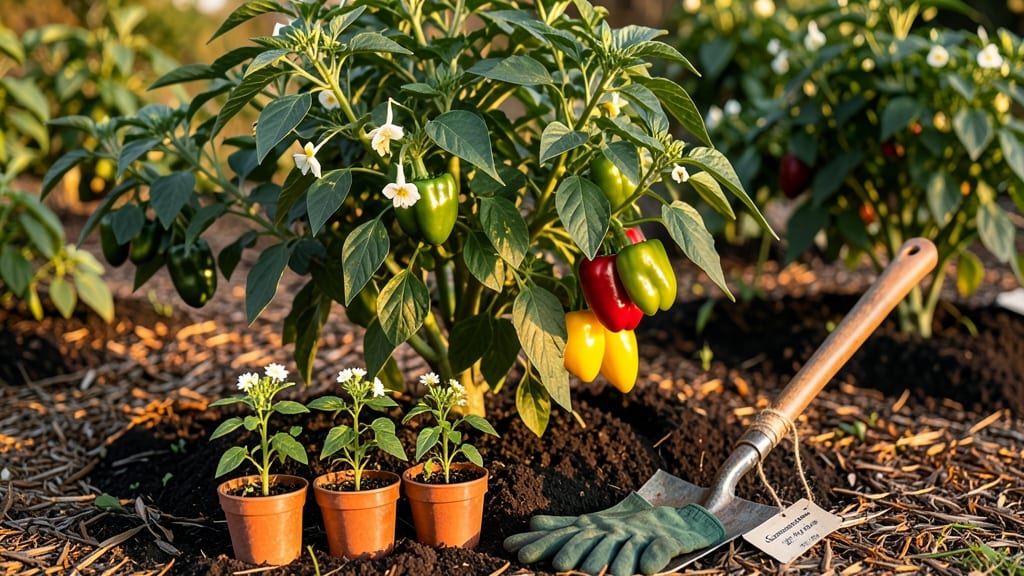
Southern California bell pepper planting calendar: exact start dates by region
Southern California’s microclimates create unique challenges for bell pepper growers. Coastal areas like Santa Barbara experience cooler temperatures, while inland desert regions near Palm Springs can hit 100°F+ by summer. To maximize your harvest, align planting with soil temperatures (ideal: 70-85°F) and regional heat patterns.
Most gardeners in SoCal plant bell peppers in two key windows: early spring (February-March) and late summer (August-September).
Spring planting yields summer harvests, while fall planting extends production into winter. Transplanting (starting seeds indoors) is ideal for coastal areas, while direct sowing works well in desert regions where nights stay warm.
Here’s how to adjust your schedule based on your local climate zone. Use this summary table as your guide, then dive into the details for your specific region.
| Region | Spring Planting Window | Fall Planting Window | Soil Temp Requirement | Notes |
|---|---|---|---|---|
| Coastal (LA, San Diego, Santa Barbara) | Feb 15 - Mar 15 | Aug 1 - Sep 15 | 65-75°F | Transplant seedlings; use shade cloth in summer. |
| Inland Valleys (San Fernando, San Gabriel) | Mar 1 - Apr 1 | Aug 15 - Sep 10 | 70-80°F | Direct sow after last frost risk; mulch heavily. |
| Desert (Palm Springs, Coachella) | Mar 15 - Apr 15 | Sep 1 - Oct 1 | 75-85°F | Plant in shade; water deeply at night. |
| High Elevation (Big Bear, Mt. San Jacinto) | Apr 1 - May 1 | Sep 15 - Oct 10 | 60-70°F | Use row covers; shorter growing season. |
For coastal regions, start seeds indoors 8-10 weeks before your target transplant date (e.g., December 15 for a February 15 transplant). Use grow lights to supplement weak winter sunlight. In desert areas, skip indoor starting—direct sow seeds when soil reaches 75°F (use a soil thermometer to check!).
Pro tip: Black plastic mulch warms soil 5-10°F faster than bare earth, letting you plant 2-3 weeks earlier in spring. Lay it down 1-2 weeks before planting to maximize heat absorption. Pair this with drip irrigation to keep roots cool during 100°F+ days.
If you’re in a transition zone (e.g., Orange County or Riverside), split your planting: sow half in February and half in August for continuous harvests. This also reduces pest pressure, as different plantings confuse aphids and spider mites.
Watch for heatwaves—even in ideal zones. If temperatures exceed 95°F for more than 3 days, provide afternoon shade with 50% shade cloth. Remove it by 4 PM to avoid shocking plants with sudden light changes.
Pair this with morning watering (1-2 inches per week) to keep soil moisture stable.
For organic gardeners, add composted manure or worm castings to planting holes for a slow-release nutrient boost. Avoid fresh manure—it can burn roots and attract pests like flies. Instead, mix in aged compost (3+ months) for balanced nutrition.
Finally, track your first and last frost dates (even in SoCal!). While rare, high-elevation areas (e.g., Big Bear) can see light frosts in December or January. Use
Best heat-tolerant bell pepper varieties for southern California’s climate
Southern California’s intense sun and dry heat demand bell pepper varieties that can handle 100°F+ temperatures without bolting or producing bitter fruit. The wrong variety will wilt by summer, while the right one thrives—producing sweet, glossy peppers from spring to fall.
I’ve tested five top performers in my own garden, focusing on disease resistance, fruit color retention, and yield consistency under SoCal’s microclimates.
The key? Look for ‘Jupiter’ (a hybrid bred for heat) or ‘NuMex Sandia’ (drought-tolerant with thick skins). Avoid standard grocery-store types—they’ll struggle in inland valleys. Here’s how to match your climate zone to the perfect variety:
🌶️ Top 5 Heat-Tolerant Varieties
- 🌡️ Thrives in 100°F+ heat
- 🟢 Stays green longer (great for fresh eating)
- 🛡️ Resistant to blossom end rot
- 💧 Drought-tolerant (ideal for desert zones)
- 🟠 Turns red slowly (extends harvest window)
- 🌱 Easy to save seeds
- 🌱 Compact (good for containers)
- 🟡 Yellow when ripe (sweeter than green)
- ⚠️ Needs consistent water in heat
- ⏳ Fast-maturing (60 days)
- 🟢 Stays green even in 95°F+
- 🍽️ Best for fresh markets
- 📏 Pocket-sized (2-3” peppers)
- 🌿 Great for small spaces
- 🌡️ Handles coastal breezes better
Color matters too! Green peppers (like ‘Jupiter’) stay edible longer in heat, while red/yellow varieties (like ‘NuMex Sandia’) need cooler temps to ripen fully. If you’re growing for salsa or roasting, opt for red-ripening types—but plant them in late summer to avoid summer’s peak heat.
For year-round harvests, mix green and red varieties in your garden.
Hybrids like ‘Jupiter’ offer better disease resistance, but if you want to save seeds, choose open-pollinated types like ‘NuMex Sandia’. Just remember: hybrids often outperform in SoCal’s extreme conditions, especially if you’re battling aphids or fungal diseases common in coastal fog belts.
- 🏜️ Desert Inland: ‘NuMex Sandia’ or ‘Jupiter’
- 🌊 Coastal: ‘Carolina Wonder’ or ‘Lunchbox’
- 🏡 Containers: ‘Early California Wonder’
- 🍽️ Market Sales: ‘Jupiter’ (green) or ‘NuMex’ (red)
Lastly, soil prep makes a huge difference. Amend your beds with compost and aged manure before planting—bell peppers are heavy feeders, and poor soil leads to blossom end rot even in heat-tolerant varieties.
I swear by a 5-10-10 fertilizer at planting time, followed by monthly fish emulsion once fruit sets. And here’s a secret: mulch with straw to keep roots cool in 100°F+ soil—it’s a game-changer for yield.
🌶️