
Companion Plants
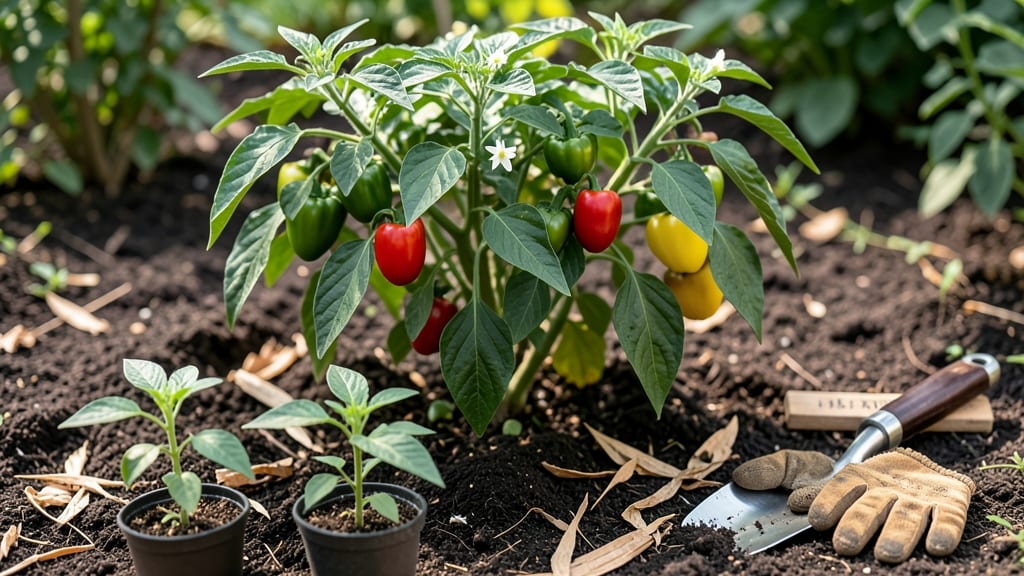
Timing when to plant bell peppers in Pennsylvania can make or break your harvest—get it wrong, and you might end up with frost-nipped seedlings or peppers that never fully ripen before winter.
The key is knowing exactly when to plant those 🌶️ seeds or seedlings so they thrive in PA’s 5a-7a climate, where warm days are short and unpredictable.
Most gardeners in Pennsylvania start bell pepper seeds indoors 8-10 weeks before the last frost (around April 15 for most regions), but transplanting outside only after soil temperatures hit a steady 60°F.
That means waiting until late May or early June in cooler zones like the Poconos, while southern PA growers can begin as early as mid-May.
What you’ll discover here is how to align your planting schedule with PA’s frost-free window—plus strategies to extend your growing season so you can enjoy fresh peppers from July through October.
Whether you’re a first-time gardener or a seasoned pro, these insights will help you avoid common mistakes and maximize your harvest.
Ready to grow heat-loving peppers that actually produce? Let’s break down the exact dates, soil prep tips, and variety recommendations tailored for Pennsylvania’s unique growing conditions—so you can enjoy homegrown 🌶️ all season long.
PA bell pepper planting dates by last frost risk
Pennsylvania’s diverse climate means your bell pepper planting timeline should match your region’s last frost date. In the Southeast, you can start transplanting as early as April 15, while Northwest PA gardeners should wait until May 15 or later.
Always check your local USDA Zone (5a-7a) for precision.
Heat-loving bell peppers need soil temperatures above 60°F to thrive. Test your soil with a thermometer—if it’s cooler, delay planting. California Wonder and Jupiter varieties are popular choices for PA’s short season, but timing is critical for their 60-90 day maturity.
Here’s how to align your planting with PA’s three climate zones for maximum success:
| Region | Avg Last Frost | Safe Transplant Window | Heat Accumulation |
|---|---|---|---|
| Southeast (Zone 7a) | April 15 | April 20 - May 10 | 1,200+ GDD (Growing Degree Days) |
| Central (Zone 6b) | May 1 | May 10 - June 1 | 1,100-1,200 GDD |
| Northwest (Zone 5a) | May 15 | May 25 - June 10 | 1,000-1,100 GDD |
🌡️ Pro Tip: Use a soil thermometer to confirm 60°F+ before transplanting.
For early harvests, start seeds indoors 8-10 weeks before your region’s last frost date. Use biodegradable pots to avoid root disturbance when transplanting. Seedlings need 6-8 hours of light daily—supplement with grow lights if natural light is limited.
If you miss the spring window, don’t despair! Fall planting is possible in PA’s Southeast zone. Transplant late July to early August for a second harvest before the first frost. Choose faster-maturing varieties like ‘Early Prolific’ (60 days) to ensure success.
Always monitor your local weather forecasts in late spring. A late frost can devastate young plants, so have row covers ready to protect seedlings if temperatures dip below 50°F. In Northwest PA, where frosts linger longer, consider starting seeds 12 weeks early for extra insurance.
Remember: Bell peppers are warm-season crops, so rushing them can lead to stunted growth or poor yields. Patience pays off—wait for consistent warm weather before committing your seedlings to the garden.
For container gardening, plant 1 pepper per 12-inch pot and place containers in full sun. Containers warm up faster than soil, giving you a 2-week head start on transplanting compared to in-ground planting.
Track your growing degree days (GDD) using a free online calculator like the Penn State Extension tool. This helps predict when your peppers will mature based on your local climate data. Aim for 1,000+ GDD for most varieties to ensure a full harvest.
Finally, mark your calendar for October 15—PA’s average first frost date. Plan to harvest all peppers 2-3 weeks before this date to avoid losing your crop to cold snaps. With the right timing, you’ll enjoy homegrown peppers from July through October!
How to extend your bell pepper growing season in PA
Pennsylvania’s short growing season can feel like a race against time for bell pepper lovers. But with the right strategies, you can push those harvest windows and enjoy peppers well into fall’s crisp air.
The key? Extending the season using simple, effective techniques that protect tender plants from late spring frosts and early autumn chills.
One of my favorite tricks is using floating row covers—lightweight fabric that traps heat while allowing sunlight and water to pass through. These can buy you 2-4 extra weeks of growing time in both spring and fall.
For even earlier starts, a cold frame or mini greenhouse creates a microclimate that warms soil faster and shields seedlings from unpredictable PA weather.
🌱
For fall planting, aim to transplant seedlings by late July in PA’s warmer microclimates (like Southeastern PA). In cooler zones (e.g., Northwest PA), stick to early July to give peppers enough time to mature before first frost.
I’ve had success with 'Aristotle' and 'Carmen' varieties—they tolerate cooler temps better than standard types.
Don’t forget to mulch heavily with straw or shredded leaves to insulate roots. This simple step can add 1-2 weeks to your harvest season by keeping soil temps stable. Pair this with drip irrigation to maintain even moisture, and you’ll maximize your peppers’ potential in PA’s unpredictable climate.
With these extensions, you could enjoy fresh bell peppers from July through October—or even longer with a greenhouse! The secret is planning ahead and using tools to outsmart PA’s short season.
☀️